
Finds & material
Bronze Age Cypriot tombs reveal ritual plant bouquets
Analysis of 3,400-year-old charred plant remains from tombs at Hala Sultan Tekke shows diverse botanical deposits, including cereals and flowers, used in burial practices.
Every Archaeology story tagged Finds & material.
Analysis of 3,400-year-old charred plant remains from tombs at Hala Sultan Tekke shows diverse botanical deposits, including cereals and flowers, used in burial practices.

Astronomers have detected a Jupiter-sized exoplanet candidate orbiting the white dwarf HS 0209+0832, a discovery that confirms a new pathway for planet formation from stellar debris.
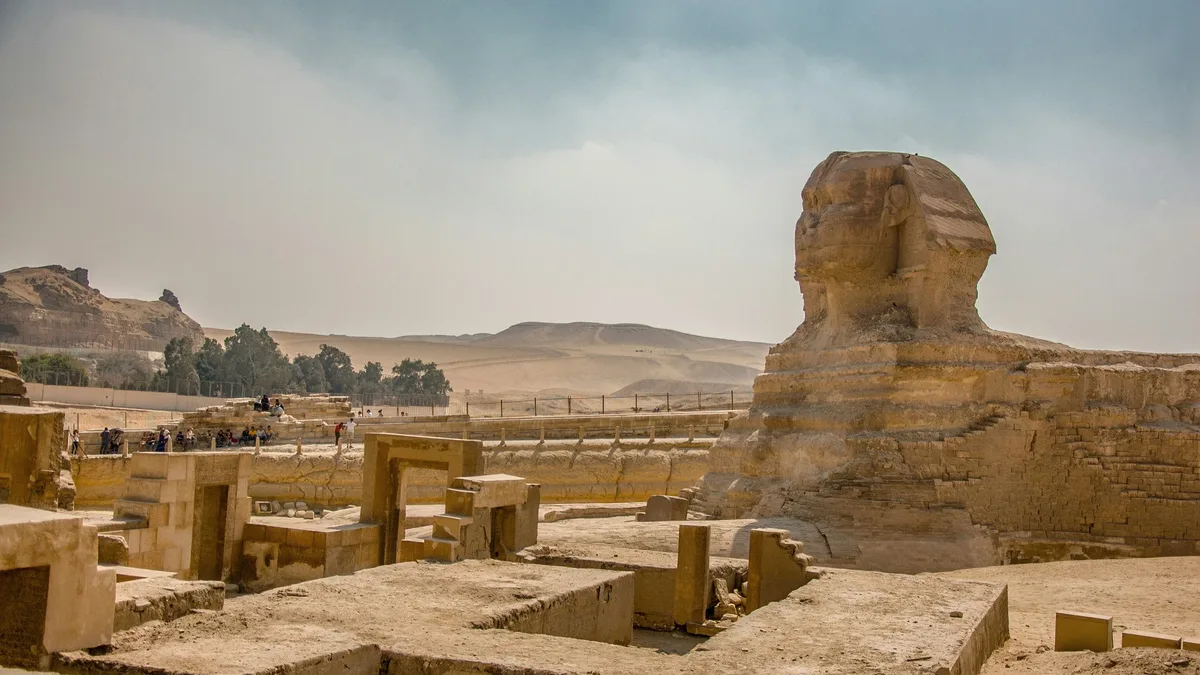
A 4,000-year-old defensive wall discovered at Oued Beht in Morocco is the oldest known outside Egypt in North Africa.
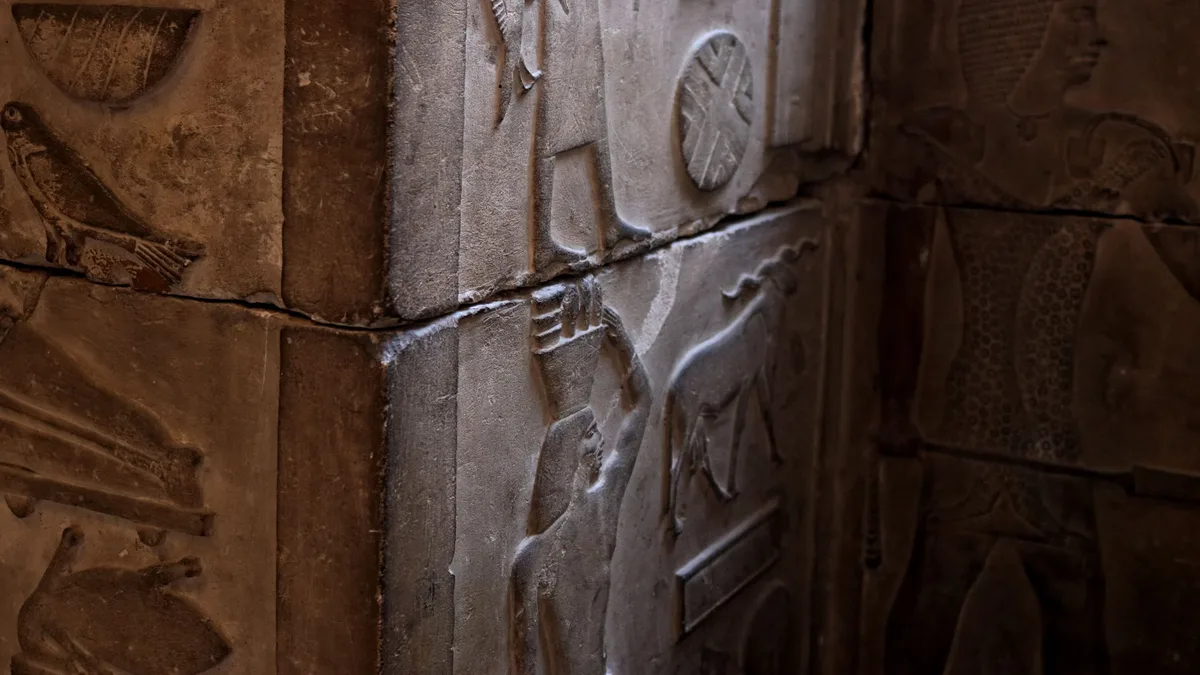
A Roman-era tomb at Bir Al-Shaghala necropolis features a rare Amduat scene and a Greek funerary inscription.
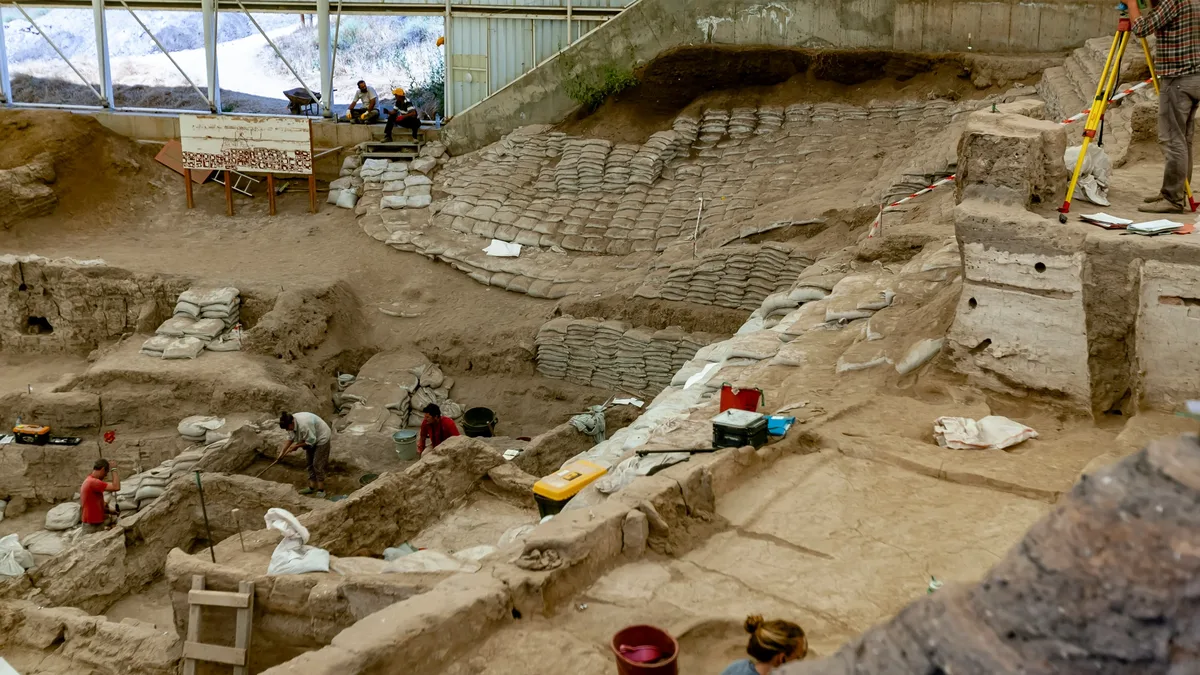
Two intact burials at Göbekli Tepe, dated to 8700-8000 BCE, contain human remains with signs of ritual treatment and domestic context.
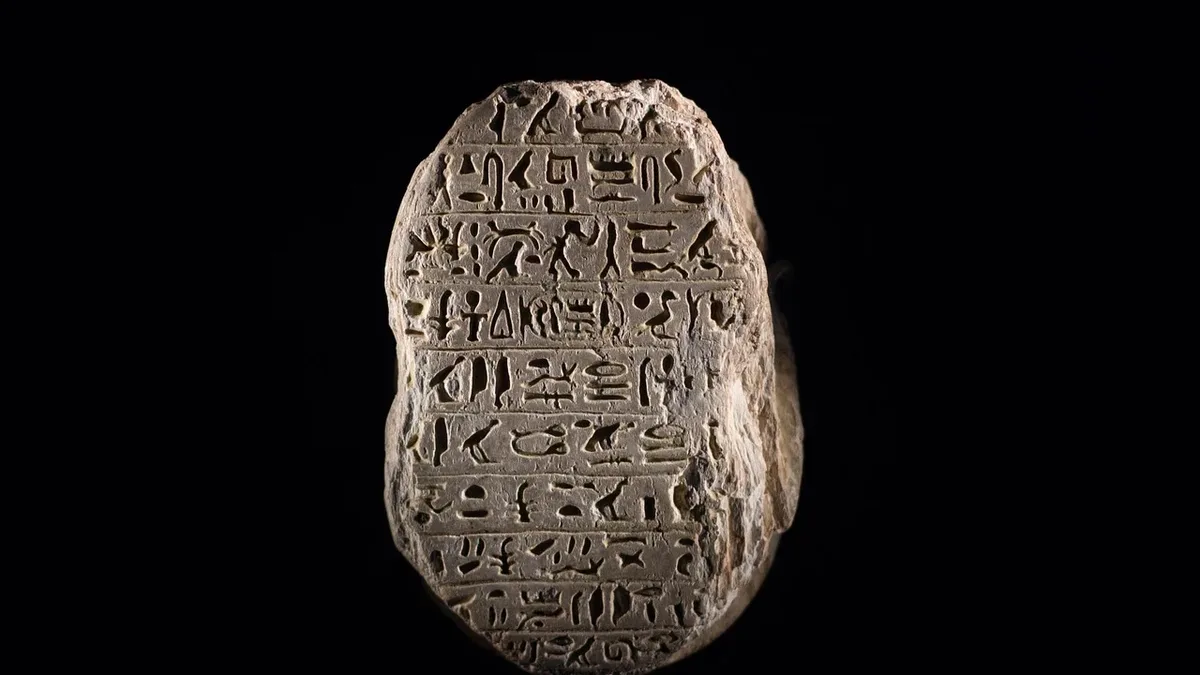
A 3,400-year-old cuneiform fragment from the Treaty of Kadesh, the world's oldest known peace treaty, has been unearthed at the Hittite capital of Hattusa.
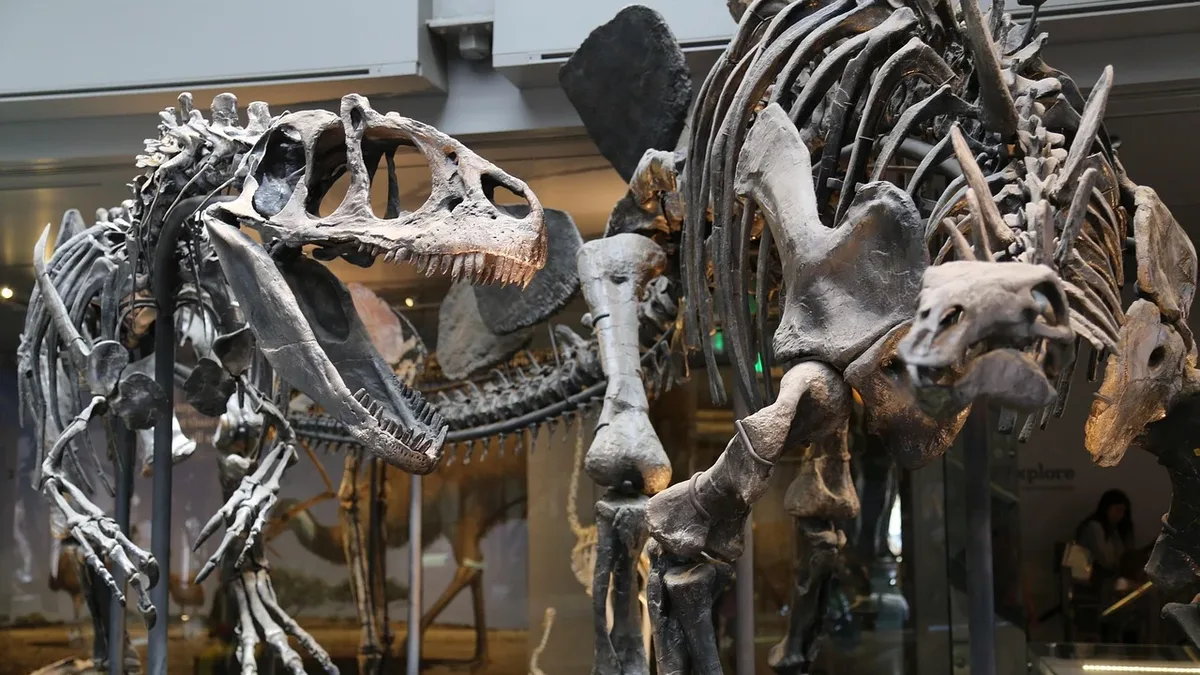
A 150-million-year-old dinosaur fossil from Spain has been identified as the first Diplodocus ever confirmed outside North America.
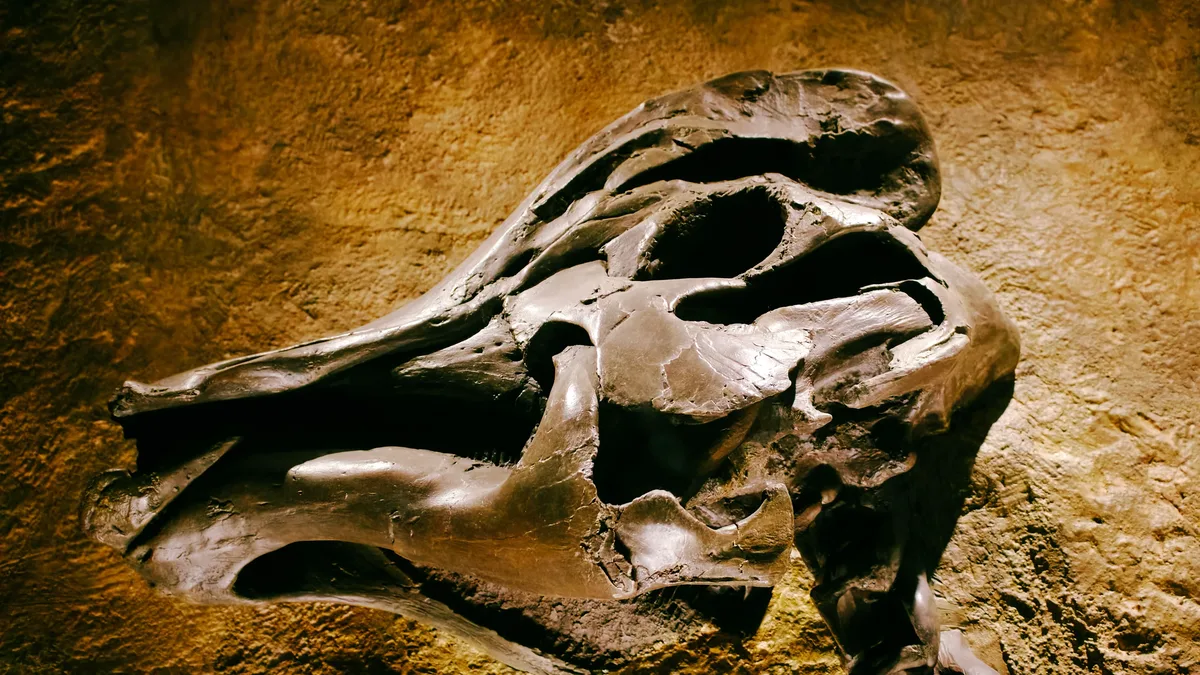
A 240-million-year-old dicynodont fossil from Tanzania, stored in London for over 60 years, is a new species that links African and South American rocks.
Microscopic plant remains in Cloggs Cave show GunaiKurnai ancestors deliberately gathered and burned whole grasses in ritual practices spanning millennia.
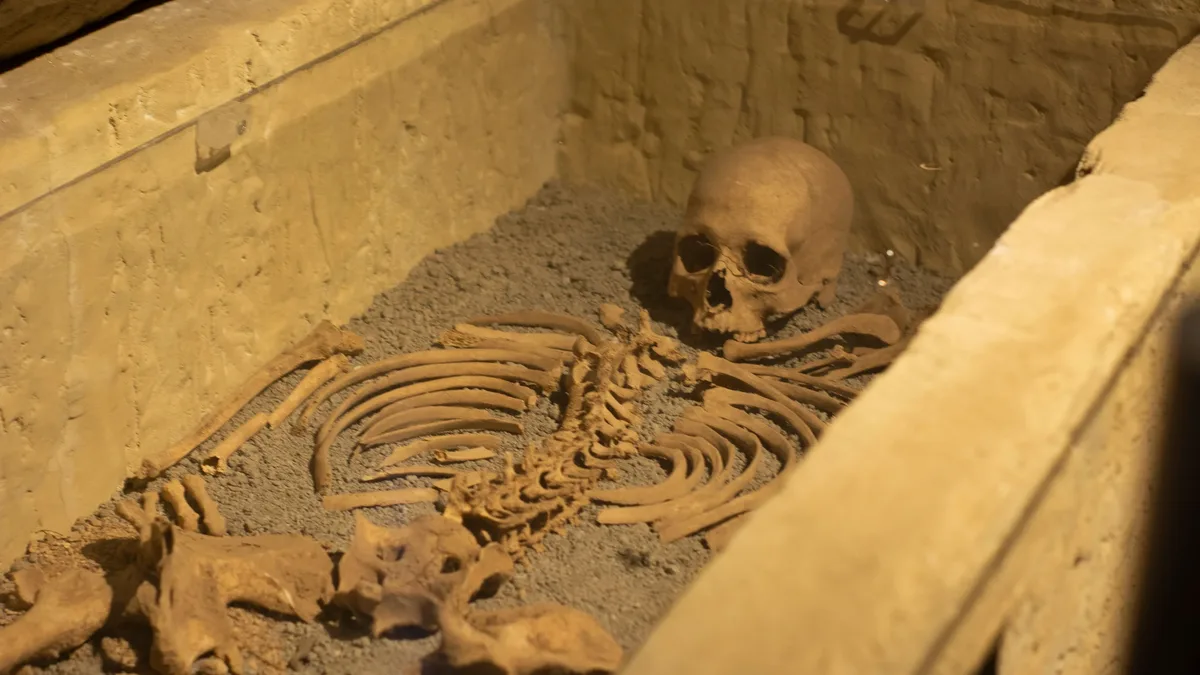
Analysis of 1,000 bones from three caves in southern Spain shows evidence of cannibalism spanning the Neolithic period.
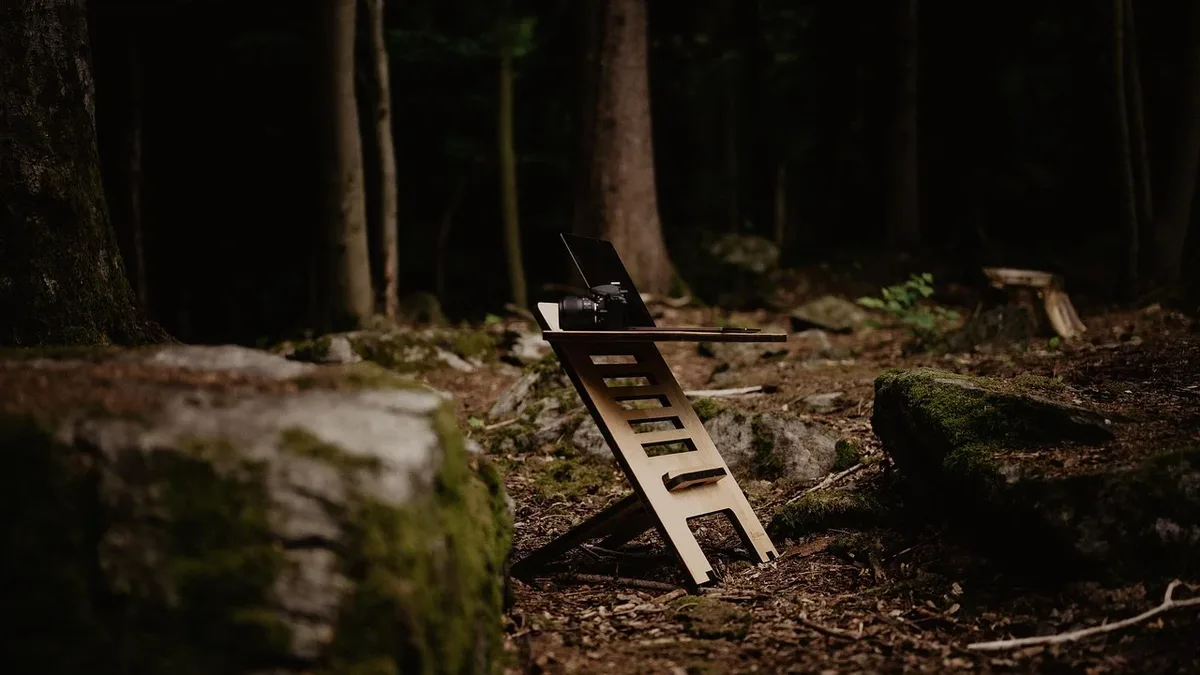
A 3,400-year-old wooden folding chair, found in a Danish chieftain's grave, is the sole completely preserved chair from Bronze Age Europe.

Archaeologists have identified 80,000-year-old microlithic projectile points in Uzbekistan that resemble later Homo sapiens arrowheads from France.
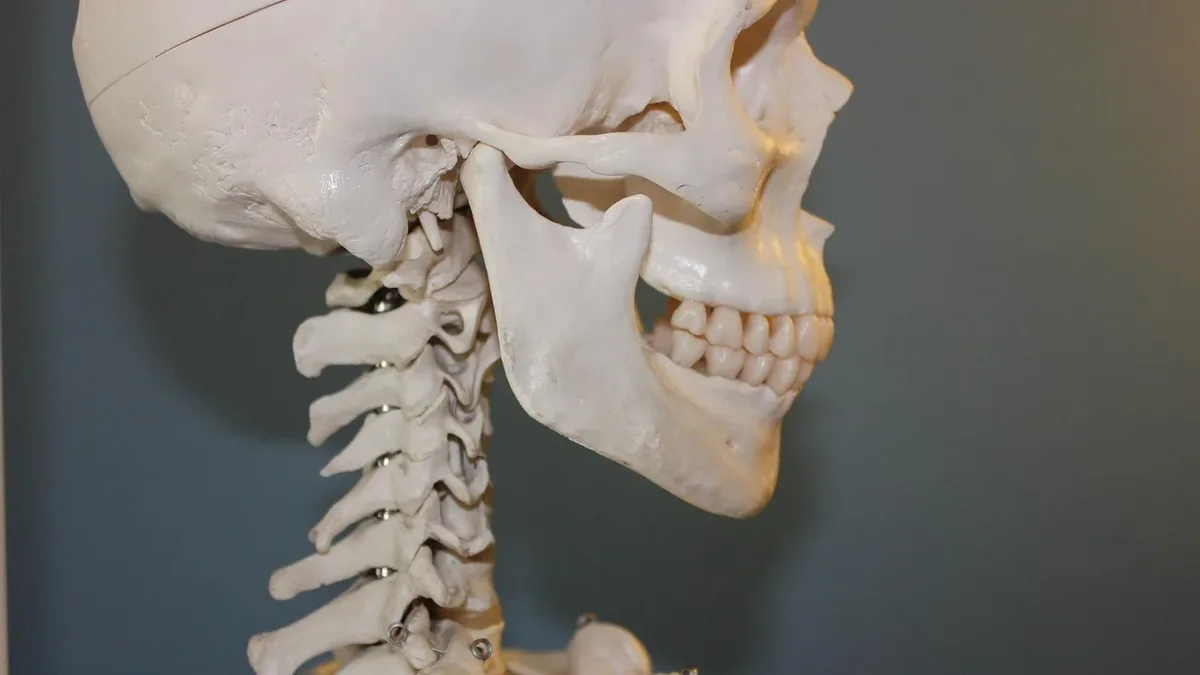
A study of over 140 skeletal remains from the 17th-19th centuries shows severe spinal damage in Dutch children who worked on farms and in factories.
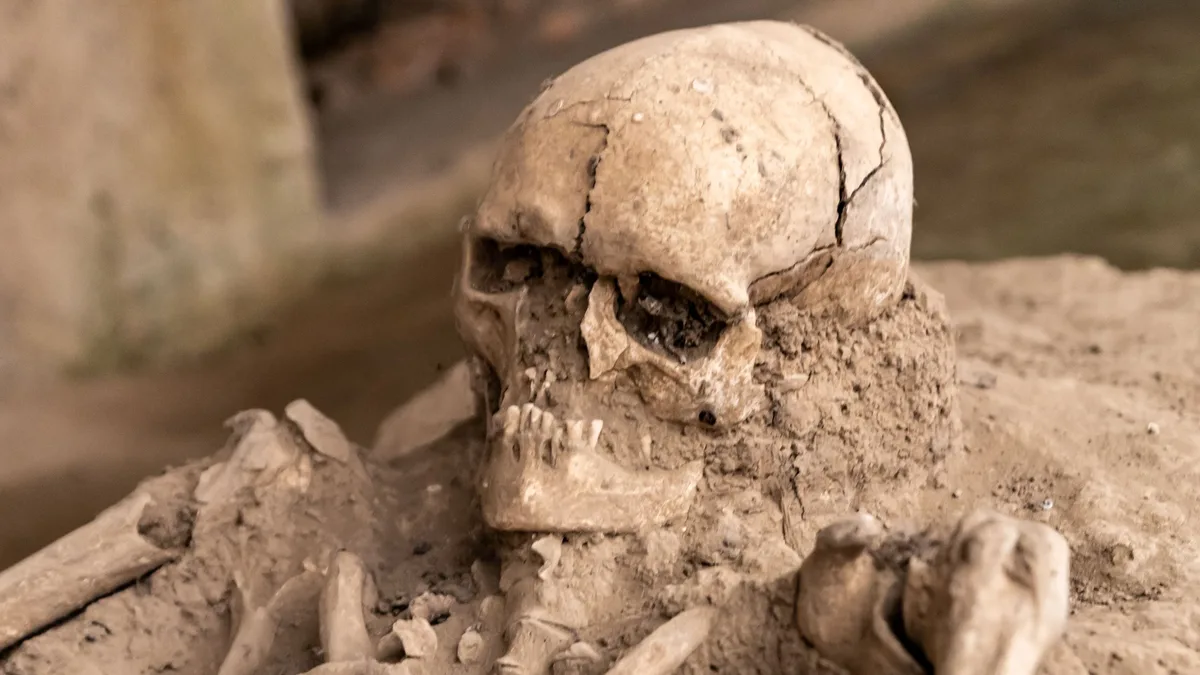
Archaeologists in Bulgaria have discovered the remains of a man inside a large storage jar at a Roman fort, alongside evidence of a violent attack.
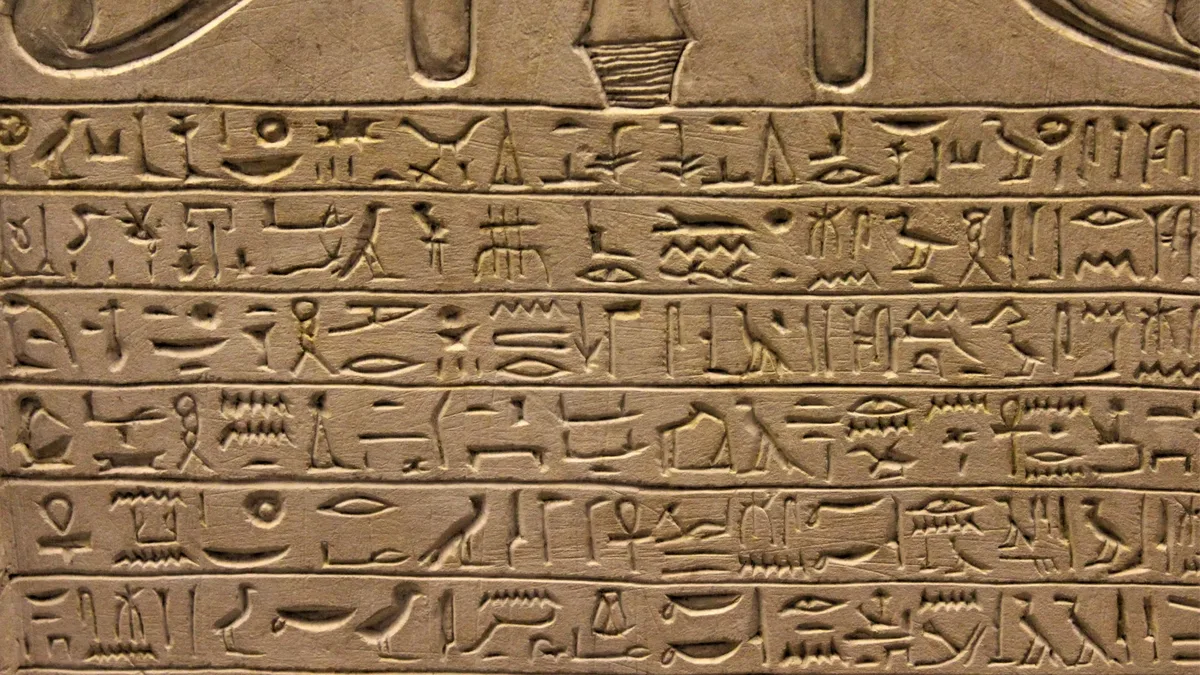
Archaeologists suggest a 3,200-year-old inscription and temple remains at Tell Abu Seifi in northern Sinai.

A ceramic jug containing 2,600 fifteenth-century silver coins has been excavated in Kolomna, Russia. Researchers link the burial to a plague epidemic in the 1420s.
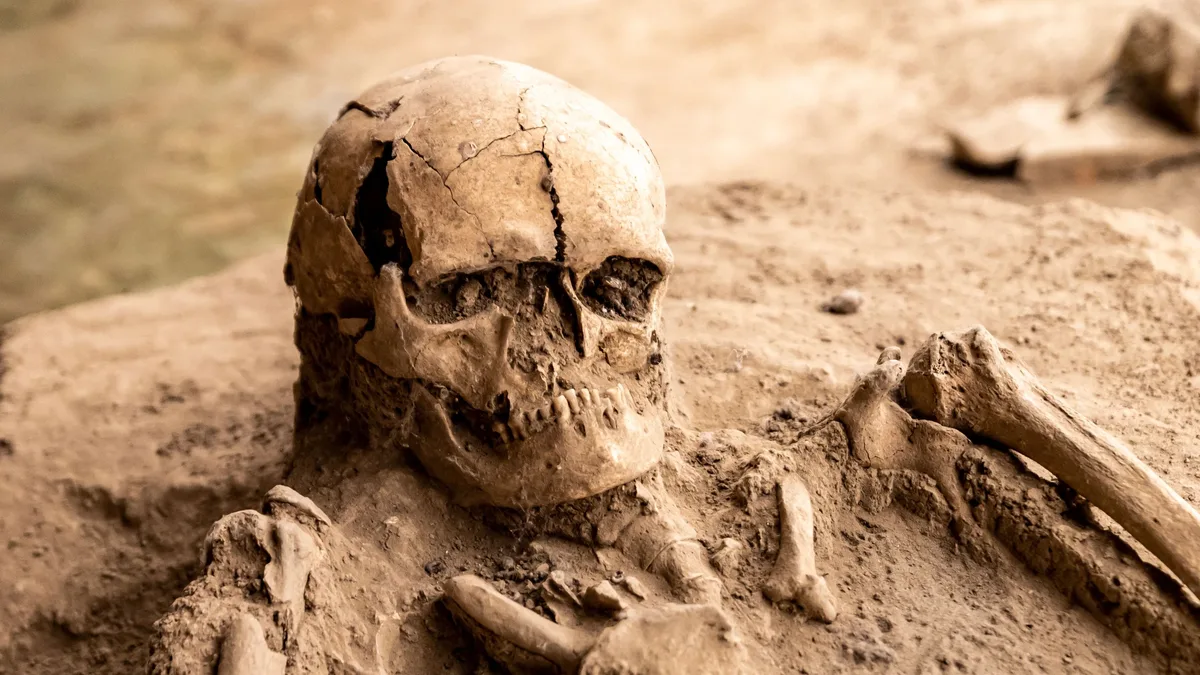
A man searching a Polish junkyard for car parts discovered a 1,800-year-old iron shield boss containing cremated human bones.

A 1,600-year-old gold and garnet diadem depicting birds of prey was found in a high-status Hun woman's grave in Crimea and is now at Berlin's Neues Museum.
Physicists say trillions of neutrinos and many muons pass harmlessly through the human body each second, originating from the sun and cosmic events.

Astronomers using the James Webb Space Telescope have identified an object from 660 million years after the Big Bang as the best candidate yet for a 'black hole star.'
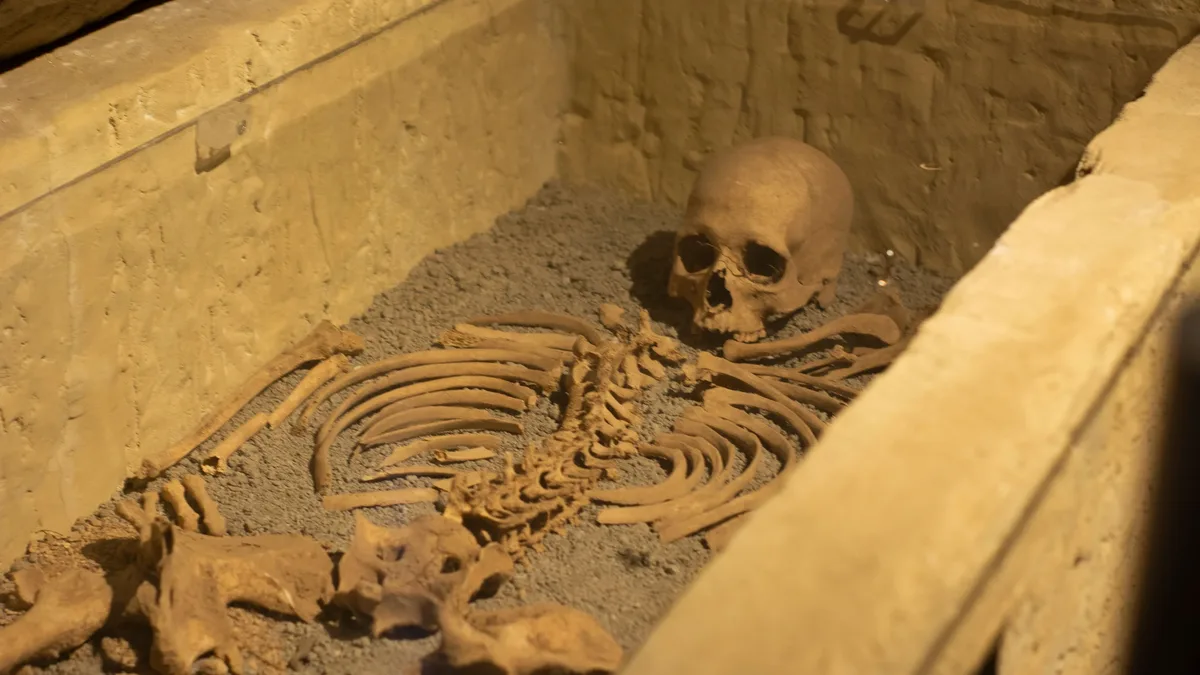
A tenth-century wooden burial chamber at Gnezdilovo, western Russia, revealed the remains of a man aged 25 to 35, a horse, a dog, and a silver brooch, indicating a Rus noble with Scandinavian ties.

Archaeologists near Bologna have uncovered an Etruscan well that was ritually opened with offerings to a goddess and later closed with human bodies.
A NASA Terra satellite image taken on February 19, 2026, shows swirling vortex clouds and a giant multicolor plume in the East China Sea.