Göbekli Tepe burials suggest permanent
Two intact burials at Göbekli Tepe, dated to 8700-8000 BCE, contain human remains with signs of ritual treatment and domestic context, challenging the idea
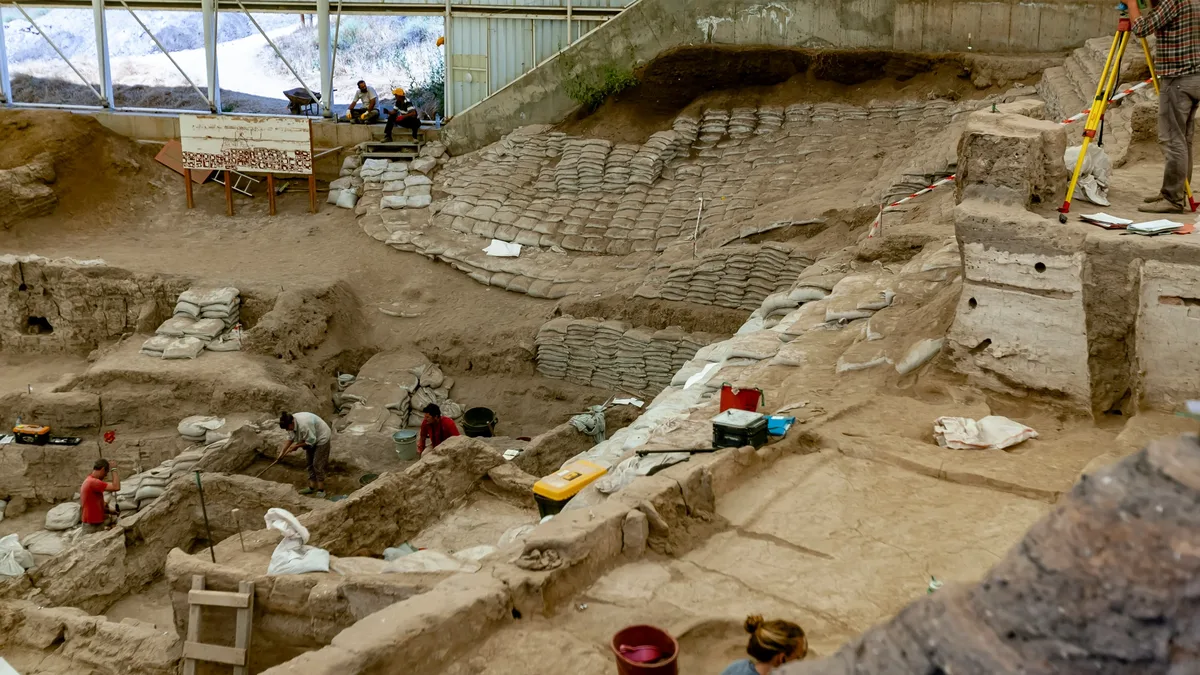
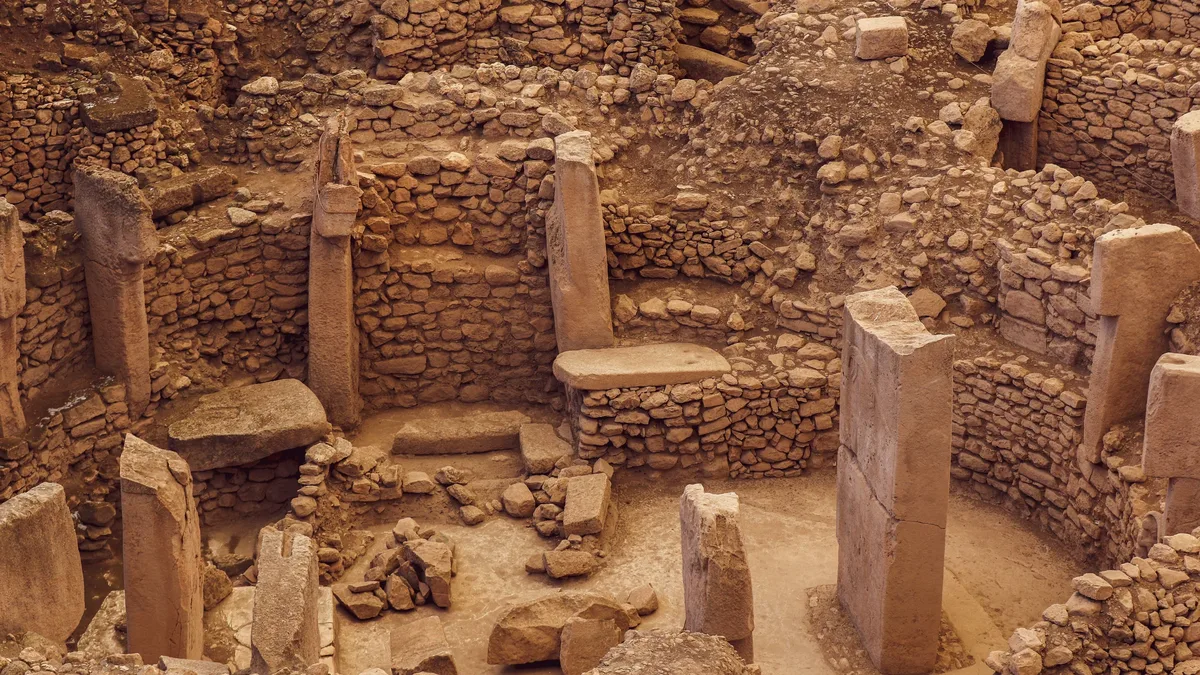
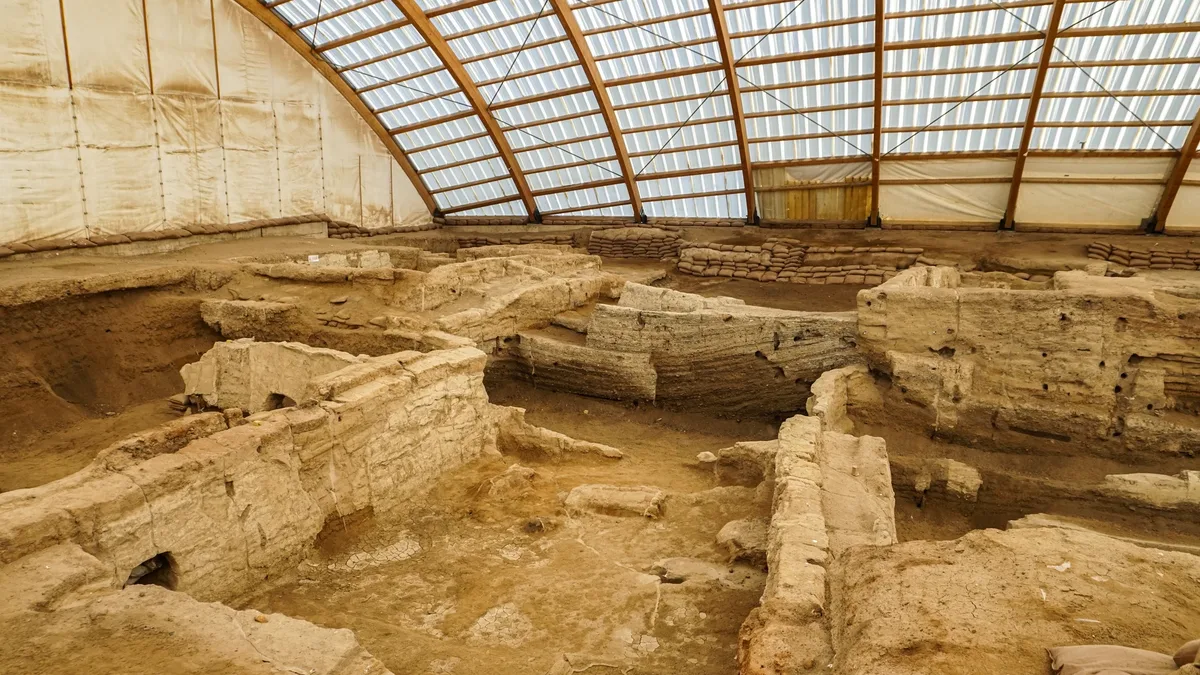
Two intact burials have been discovered at Göbekli Tepe in southeastern Turkey, dated to between 8700 and 8000 BCE. This new evidence suggests the site, famous for its monumental stone pillars, may have been a permanent settlement for hunter-gatherers, not merely a ceremonial center visited for rituals. The burials from the Pre-Pottery Neolithic period were excavated under the direction of Julia Gresky of the German Archaeological Institute.
One burial, positioned just west of the site's monumental Building A, held the body of a young adult woman aged 20 to 30. She was placed on her left side in a flexed posture facing east, resting on a bed of stones without a clearly defined grave pit. Another kidney-shaped pit contained the remains of a woman, a young man, and an adolescent girl. The bones from these graves were broken, coated in calcium deposits, and gnawed by rodents. These characteristics are shared with fragmented human bones previously found mixed within the fill of the site's monumental buildings.
Burial practices link to building use and possible residence
The similarity between the burial remains and bone fragments found in buildings is a key puzzle. Researchers now think the fragments in the structures may have been placed there during ritual activity. Another possibility is that natural processes like erosion and landslides carried bones into the buildings from burials originally placed higher up on the settlement's mound. Burials beneath house floors were a common practice in Neolithic Anatolia and the Levant. Soil movement could have displaced such remains from beneath residential areas into the later ceremonial structures.
Findings support a shift in understanding Göbekli Tepe’s role
The discovery is vital for deepening the understanding of Neolithic burial customs and social organization. It emphasizes that Göbekli Tepe was not only a religious center but also a place where people lived. The monumental structures and pillars were built by hunter-gatherers in several stages between 9600 and 8200 B.C. The presence of these burials suggests people may have resided at the site year-round, transforming it from a presumed pilgrimage site into a permanent hunter-gatherer settlement.
Further research is essential to determine how these burials relate to other archaeological evidence in the area.