Methods
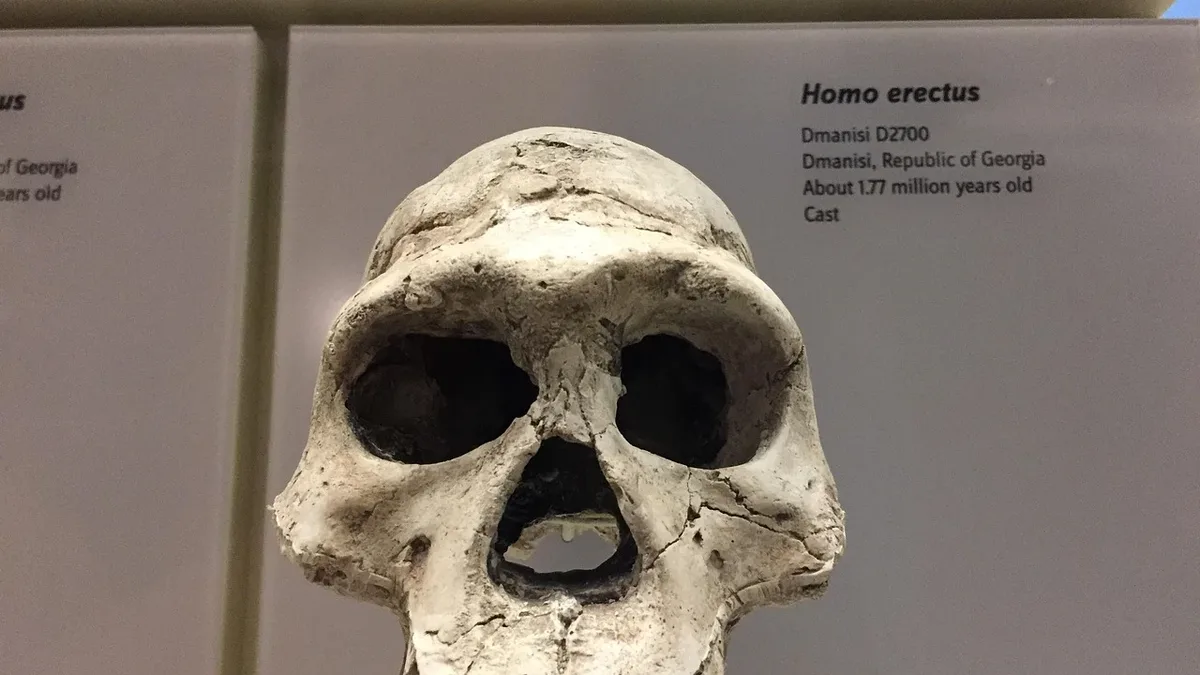
Paranthropus robustus evolved stronger chewing as Homo erectus emerged earlier
New fossils from Drimolen Cave show Paranthropus robustus developed larger teeth and chewing muscles over 200,000 years.
Every Archaeology story tagged Methods.
New fossils from Drimolen Cave show Paranthropus robustus developed larger teeth and chewing muscles over 200,000 years.
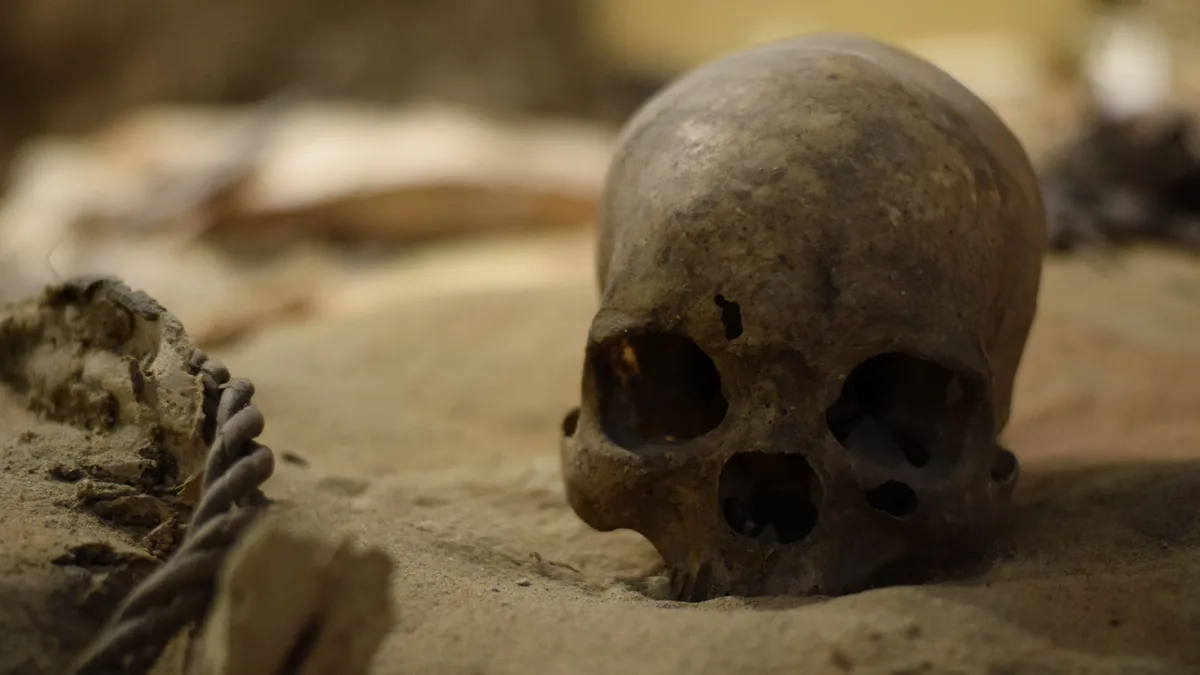
A re-analysis of 5,000-year-old skulls from royal tombs at Abydos has found fatal blunt-force trauma in 18 individuals.
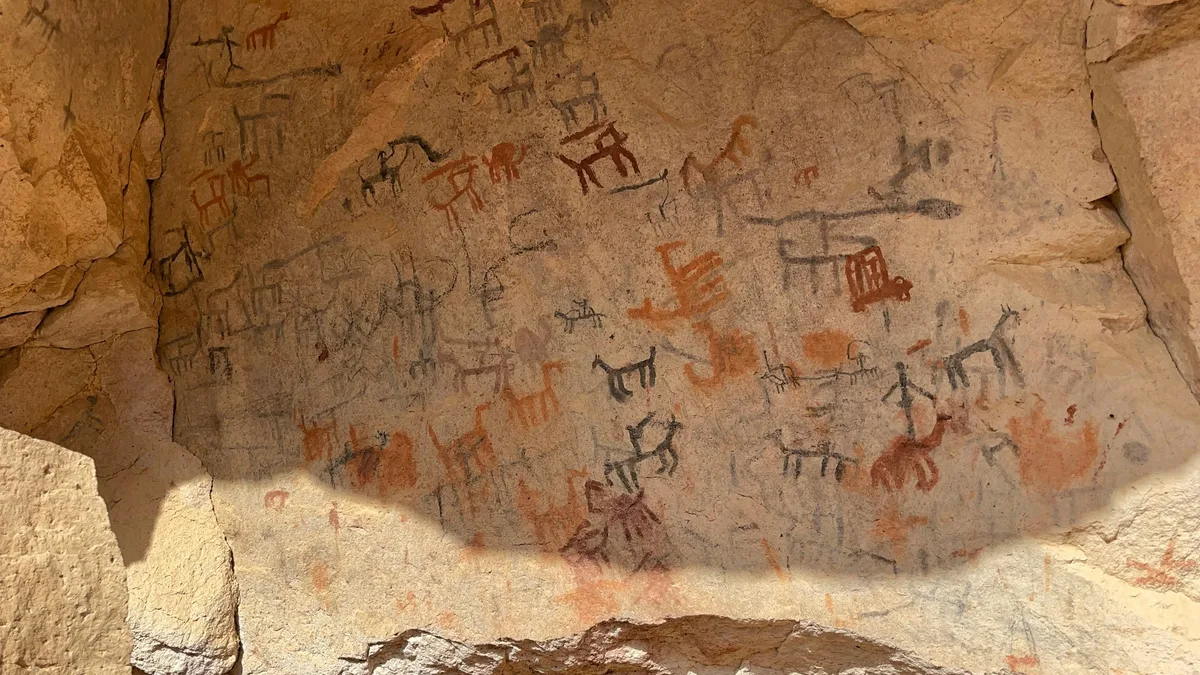
New analysis of three red-painted glyphs in a Mexican cave provides the strongest evidence yet that Teotihuacan developed a genuine logo-phonetic writing system.
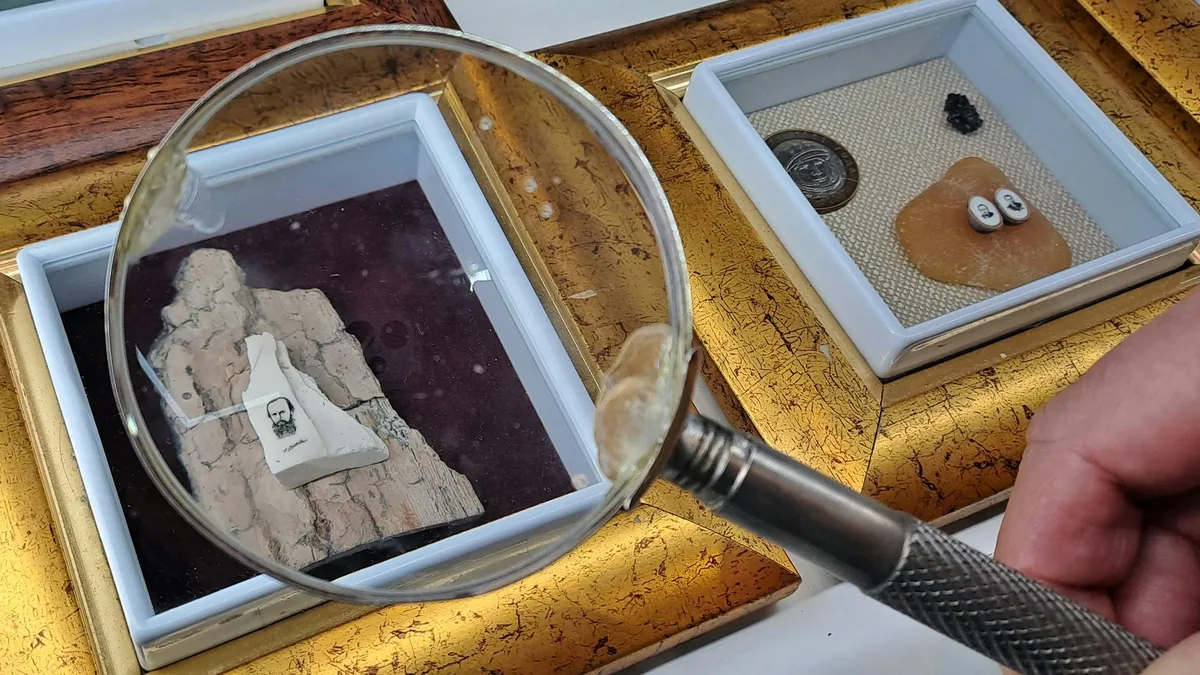
A new study used digital enhancement on a 1954 photograph of mud stoppers from Saqqara.
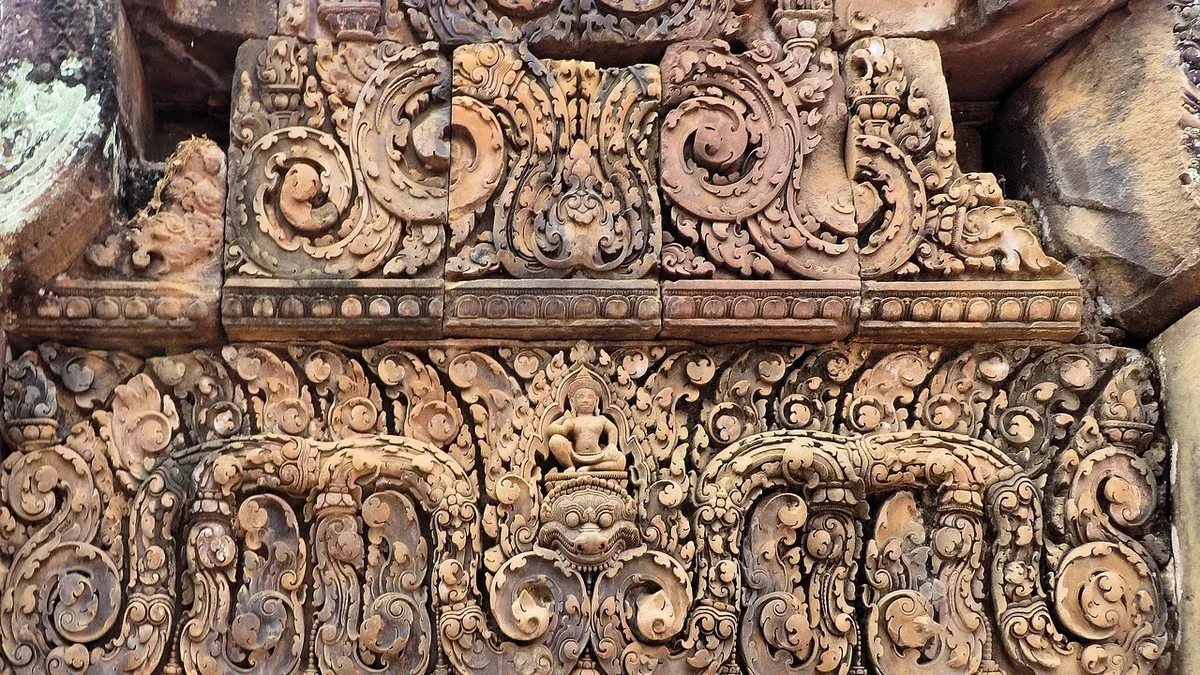
High-resolution laser scanning at the Kition Kathari temple in Cyprus has revealed 23 previously unknown ship carvings on its walls.

Archaeologists in Germany have recovered a hoard of 11 rare Celtic silver coins, the largest such deposit from the period found in Thuringia.
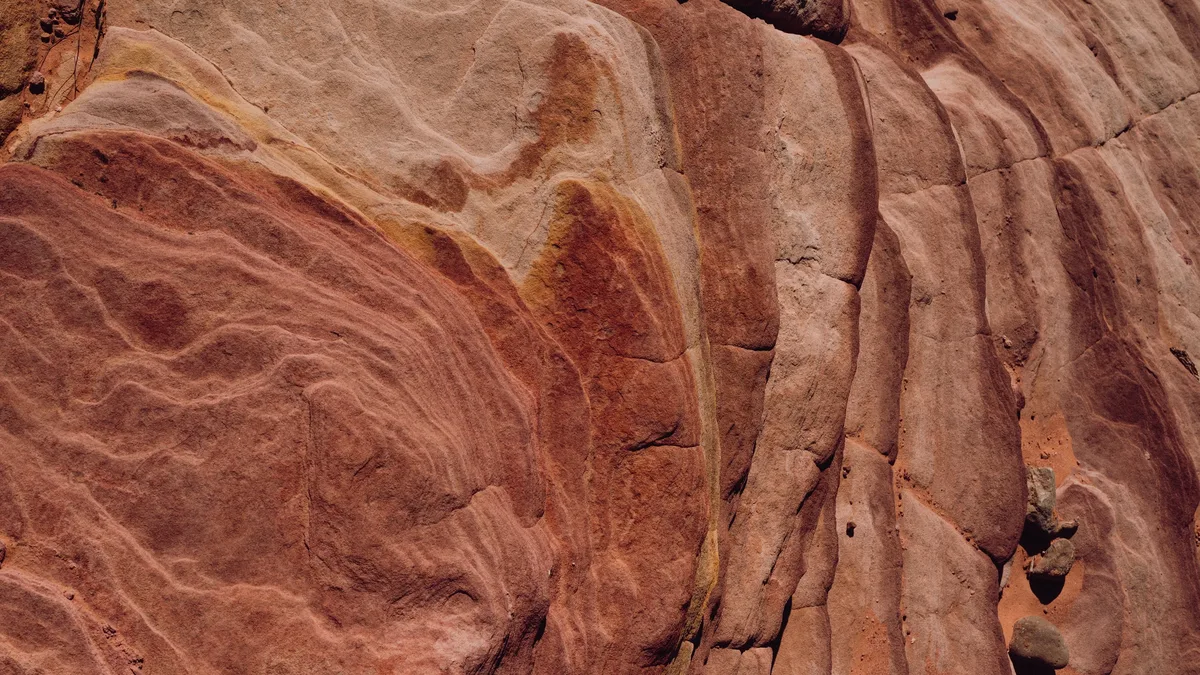
A study in Science Advances reveals 25,000-year-old evidence of habitual betel nut use for pain relief on Sulawesi, based on dental grooves and chemical analysis.

Archaeologists in Pompeiopolis, Turkey, have uncovered a large 4th-century mosaic floor and a 2nd-century marble head of Eros within a Roman basilica.
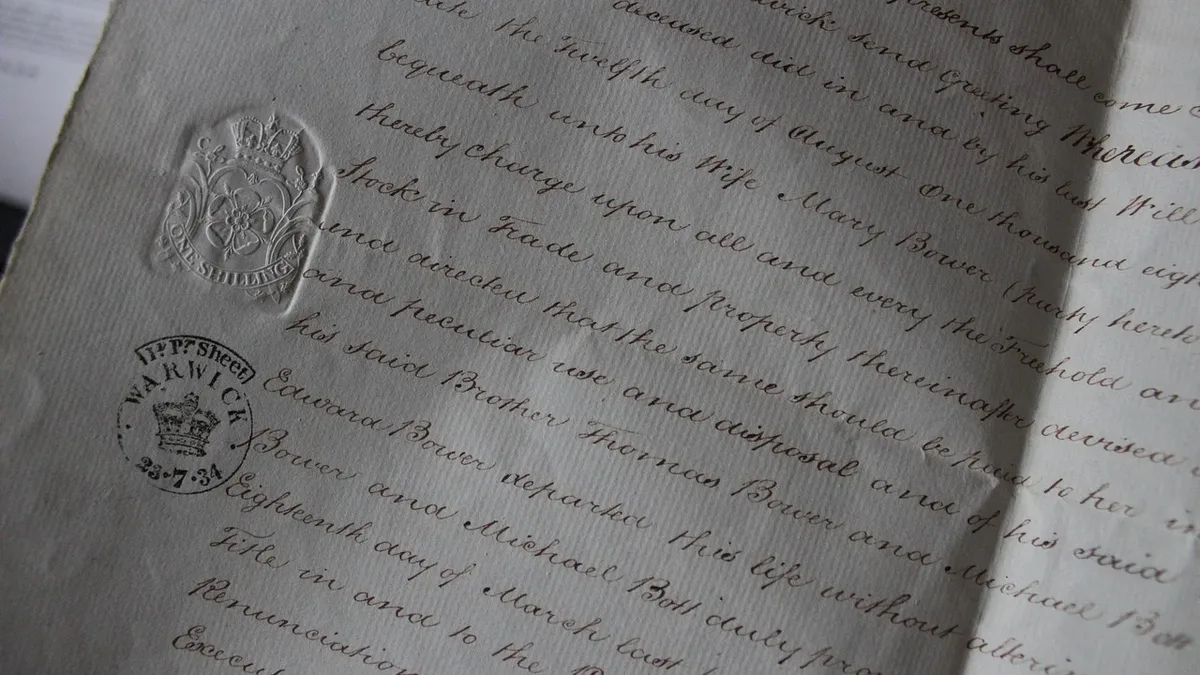
Researchers from University College Dublin have used DNA from medieval parchment manuscripts to track the history of the sheep pox virus.
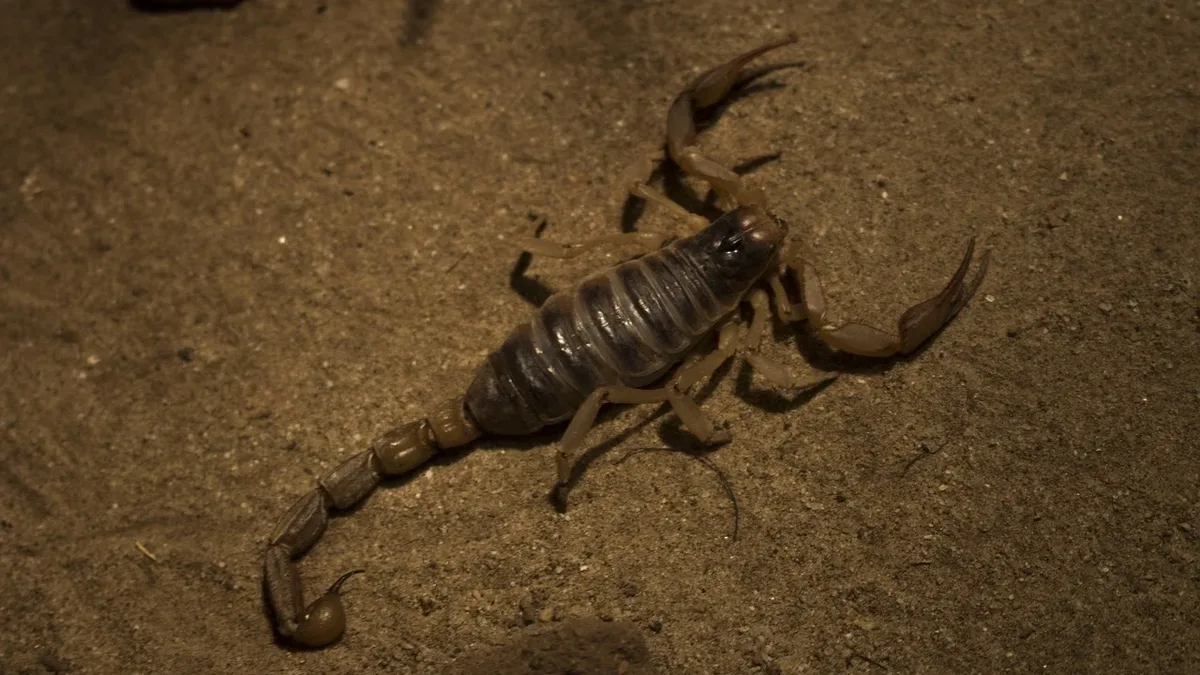
A newly identified meter-long scorpion from 415 million years ago, discovered in British fossils, pushes the era of giant arthropods back 50 million years.

A new computational model from researchers Hosseini et al. simulates the complex interactions in agrivoltaic systems.
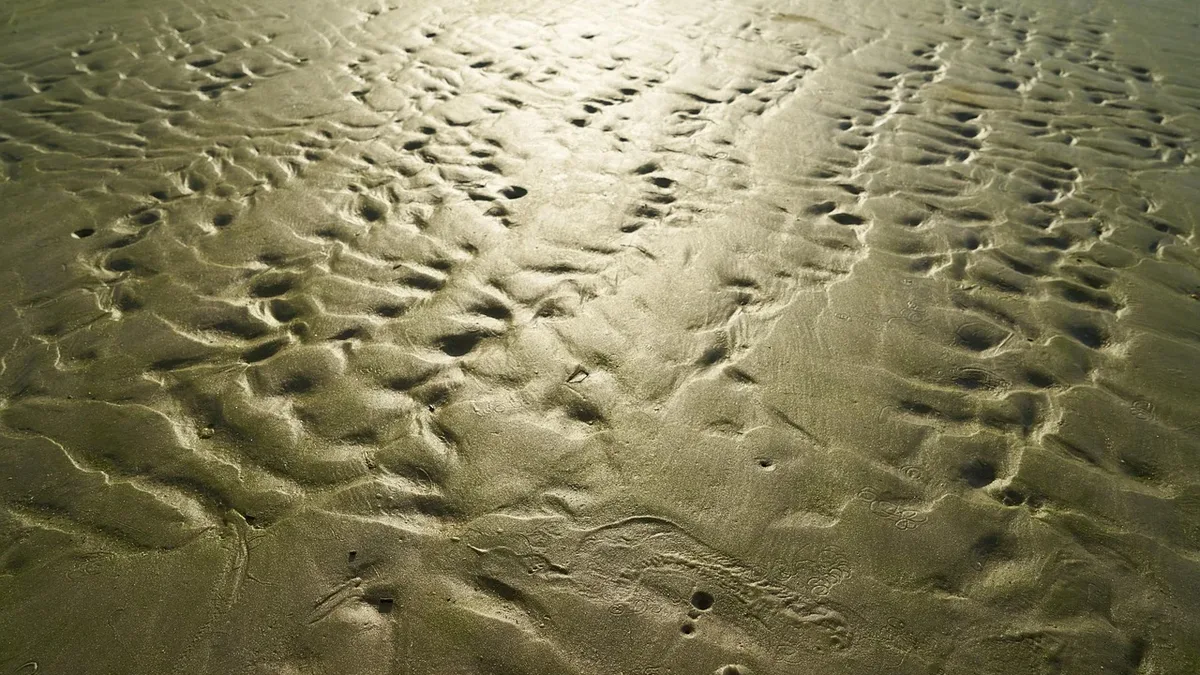
A 1.4-million-year-old footprint trail in Kenya reveals eight adult Paranthropus boisei individuals traveling together.
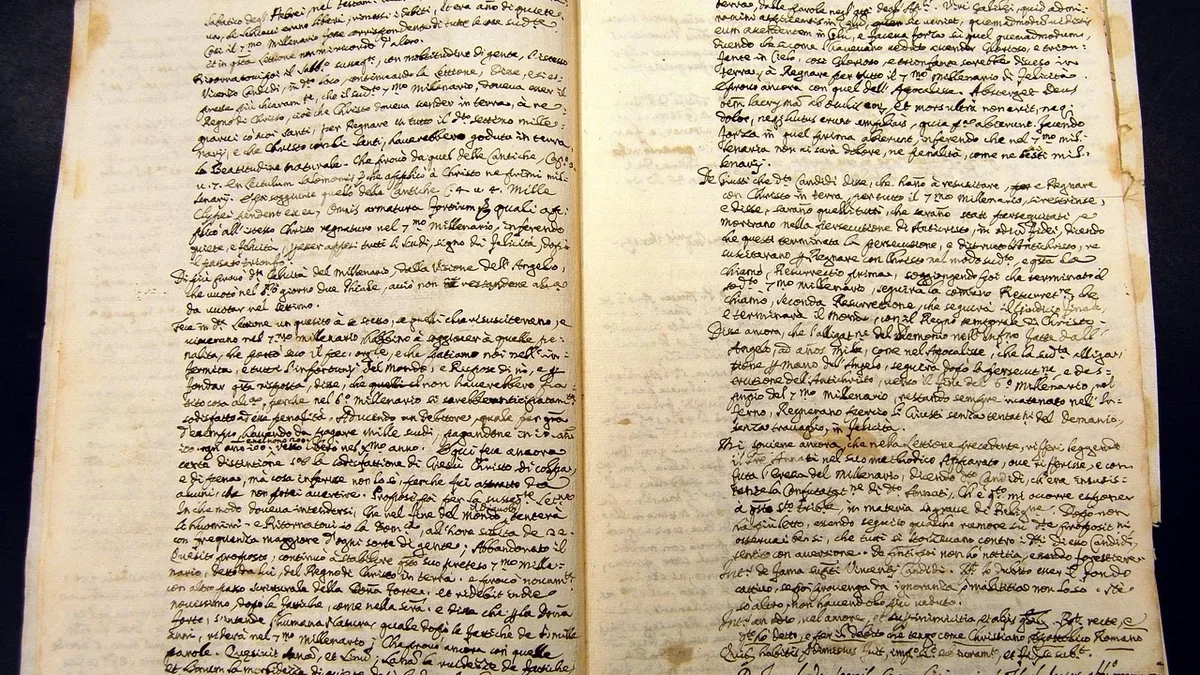
Historian Nathaniel Philbrick's new book argues James Marshall's 1848 gold discovery set off a chain of events leading to the Civil War and Silicon Valley.