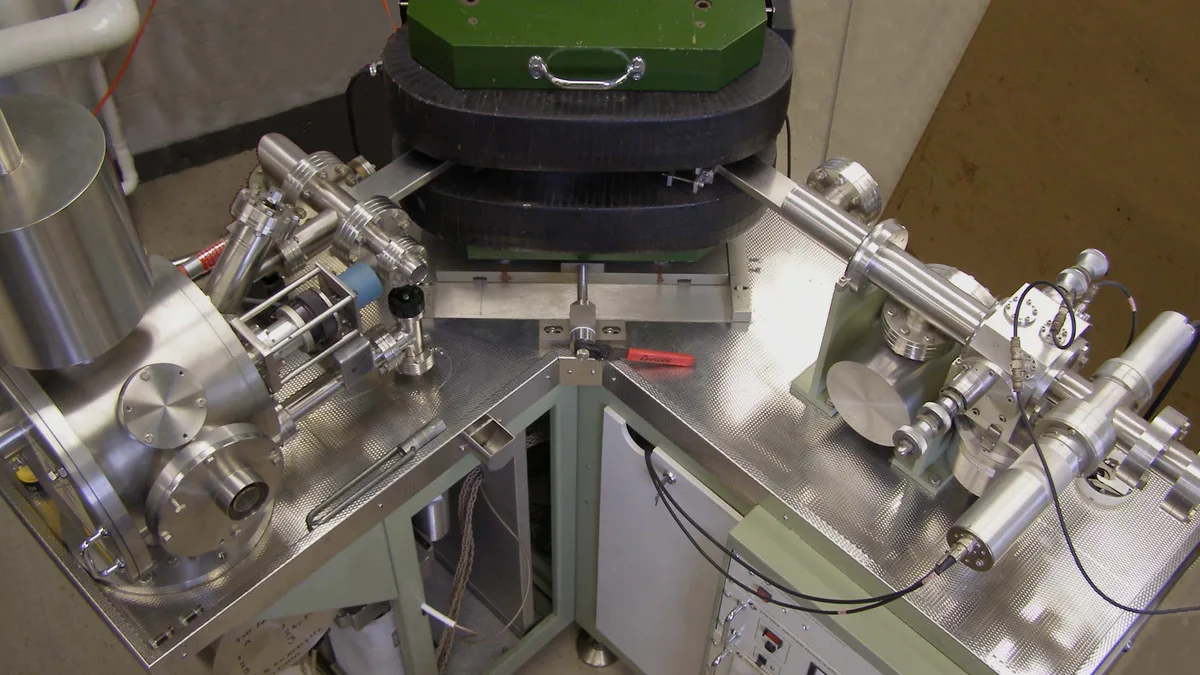
Ancient Dna And Isotope Analysis
| Site | Ancient Dna And Isotope Analysis |
|---|---|
| Dig season | 2021-2023 |
| Material culture shows | Ceramic typologies and lithic assemblages consistent with Late Neolithic pastoralist groups |
| Country of origin | Analysis conducted on material from Kazakhstan |
| First created | Analytical technique developed in the late 20th century |
| Original use | To reconstruct diet, mobility, and population history of ancient organisms |
| Sample type | Human skeletal remains (petrous bone, teeth) |
| Isotopes analyzed | Strontium (⁸⁷Sr/⁸⁶Sr), Oxygen (δ¹⁸O), Carbon (δ¹³C), Nitrogen (δ¹⁵N) |
Origin and history
The scientific methodologies of ancient DNA (aDNA) analysis and isotope analysis were developed primarily in Western Europe and North America during the late 20th century. Stable isotope analysis in archaeology has its roots in geochemistry and was first applied to human and animal remains in the 1970s, with foundational work conducted at institutions in the United Kingdom and the United States. The field of ancient DNA analysis emerged in the mid-1980s following the first successful extraction of DNA from a museum specimen of the extinct quagga. Major methodological breakthroughs, such as the application of polymerase chain reaction (PCR) to degraded samples and later next-generation sequencing, occurred through the 1990s and 2000s. These techniques transformed from niche laboratory procedures into standard archaeological tools over the subsequent decades. Their integration into mainstream archaeological practice was solidified by the 2010s, enabling large-scale studies of past populations.
What it is for
Ancient DNA and isotope analysis are scientific techniques used to interrogate archaeological human and animal remains to answer questions inaccessible through material culture alone. Ancient DNA analysis is primarily used to determine genetic ancestry, population relationships, migration patterns, and biological sex of individuals. It can also identify the presence of pathogens and reveal familial relationships within a cemetery. Isotope analysis of elements like strontium, oxygen, nitrogen, and carbon is used to reconstruct individual life histories, specifically diet and mobility. Strontium and oxygen isotopes in tooth enamel provide a signature of the geological region where an individual grew up, indicating childhood residence. Nitrogen and carbon isotopes from bone collagen reveal the trophic level and primary sources of protein in a diet, distinguishing between marine and terrestrial food sources.
Overview
In practice, these analyses require the destructive sampling of small amounts of bone or tooth material, following strict protocols to prevent contamination with modern DNA. The process begins in a dedicated clean-room laboratory where samples are physically cleaned and powdered. For DNA, the powder is treated with chemicals to extract and purify the fragmented ancient molecules, which are then sequenced and compared to genetic databases. For isotope analysis, the powder is processed through chemical preparation, such as collagen extraction for carbon and nitrogen, or acid digestion for strontium, before being introduced into a mass spectrometer. The resulting data are statistical and comparative, requiring interpretation within a robust archaeological and environmental context. A single archaeological site report might integrate these results with radiocarbon dates, grave goods, and settlement data to build a comprehensive narrative of the community.
What to know
These techniques are destructive, meaning the sampled portion of the bone or tooth is consumed during analysis and cannot be reused for other studies. Contamination is a paramount concern, especially for aDNA, as modern human DNA can easily overwhelm trace ancient signals, requiring stringent laboratory controls. Results are probabilistic, not absolute; a genetic ancestry component indicates shared history with a reference population, not a direct modern ethnic label. Isotope values are comparative and require baseline environmental maps ("isoscapes") for meaningful interpretation, which are not always available. The cost of analysis is significant, encompassing specialized facilities, reagents, and expert labor, which often limits sample sizes. Permission for destructive sampling must be ethically obtained, and many researchers prioritize teeth and dense bone elements like the petrous portion of the temporal bone for their better preservation.
Common questions
A common question is whether these tests can determine an individual's specific tribe or nationality, to which the answer is no; they reveal broad ancestral lineages and geographic origins, not culturally constructed identities. People often ask if the DNA of a living person can be compared directly to ancient DNA, and while genetic similarities can be measured, direct lineage over millennia is exceptionally difficult to prove. Researchers are frequently asked about the survival of DNA, which depends heavily on environmental conditions, with cold, dry, and stable environments favoring preservation over warm, wet, or acidic soils. Many wonder if isotope analysis can pinpoint a precise birthplace, but it typically identifies a region of origin based on geological or climatic signatures. A recurring question concerns the ethics of studying human remains, which necessitates consultation with descendant communities and adherence to institutional and national policies. Finally, individuals inquire about the time frame for results, which can range from several months to over a year due to laboratory queues and complex data analysis.
Pros and cons
A major pro is the ability to address fundamental questions about human history, such as large-scale migrations, dietary shifts, and social organization, with direct biological evidence. These methods can give voice to individuals invisible in the historical record, providing personal stories of movement or diet. A significant con is the high financial cost and technical complexity, which can create inequities in access between well-funded and underfunded research projects. A common mistake is interpreting genetic or isotopic data in isolation, leading to simplistic narratives that ignore the nuance of archaeological context and cultural change. Researchers sometimes regret choosing poor-quality samples or too small a sample size, which can yield inconclusive or statistically unreliable results. The field also faces ongoing ethical challenges, and studies that proceed without appropriate community engagement can cause lasting harm and damage trust.
Who it suits
These techniques suit archaeological research projects with clearly defined historical or anthropological questions that traditional archaeology cannot answer alone. They are suited to researchers and institutions with access to specialist laboratories, either in-house or through collaboration, and the necessary funding for analysis. The field suits scientists who are comfortable with interdisciplinary work, integrating data from genetics, chemistry, geology, and archaeology. It is appropriate for studies where the research value justifies the destructive sampling of irreplaceable human remains, following all ethical and legal guidelines. It does not suit projects seeking quick, low-cost answers or those without a firm grounding in archaeological theory and method to interpret the complex results. Finally, it suits inquiries that prioritize population-level trends and biogeographical patterns over the investigation of singular, isolated individuals.
Latest Ancient Dna And Isotope Analysis news
Latest reporting
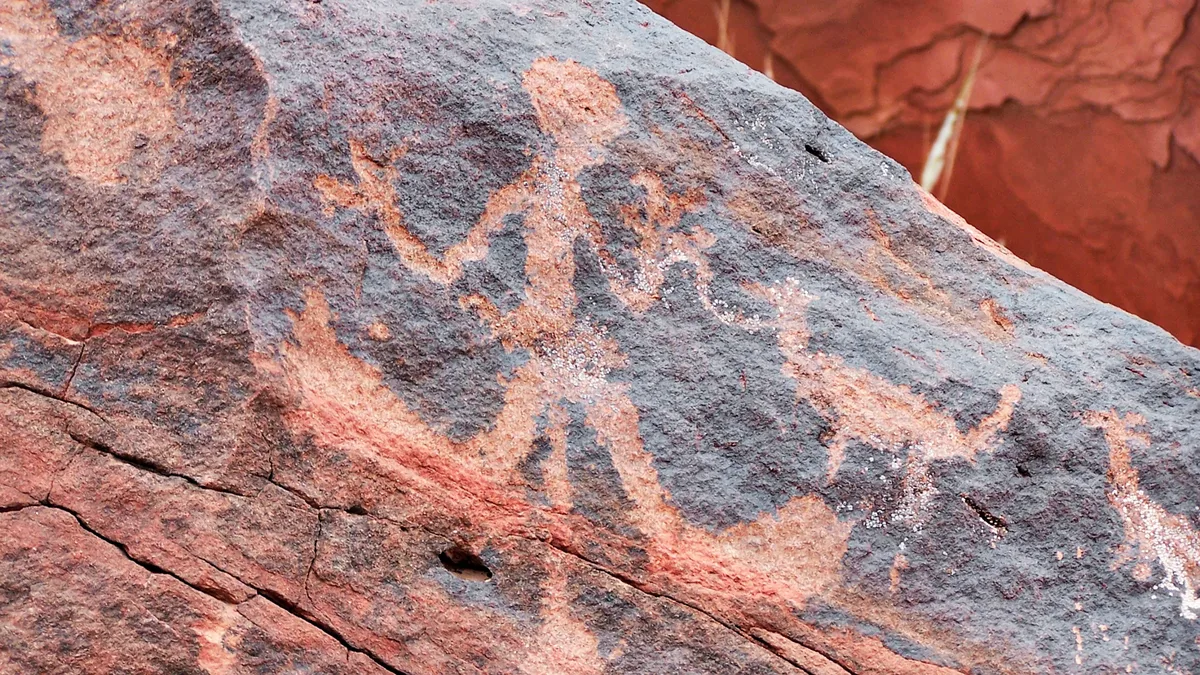
Miseeda Petroglyph May Depict Ancient Kushite Ruler
A life-sized petroglyph in northern Sudan may represent a Kushite ruler, according to new research published in Antiquity.
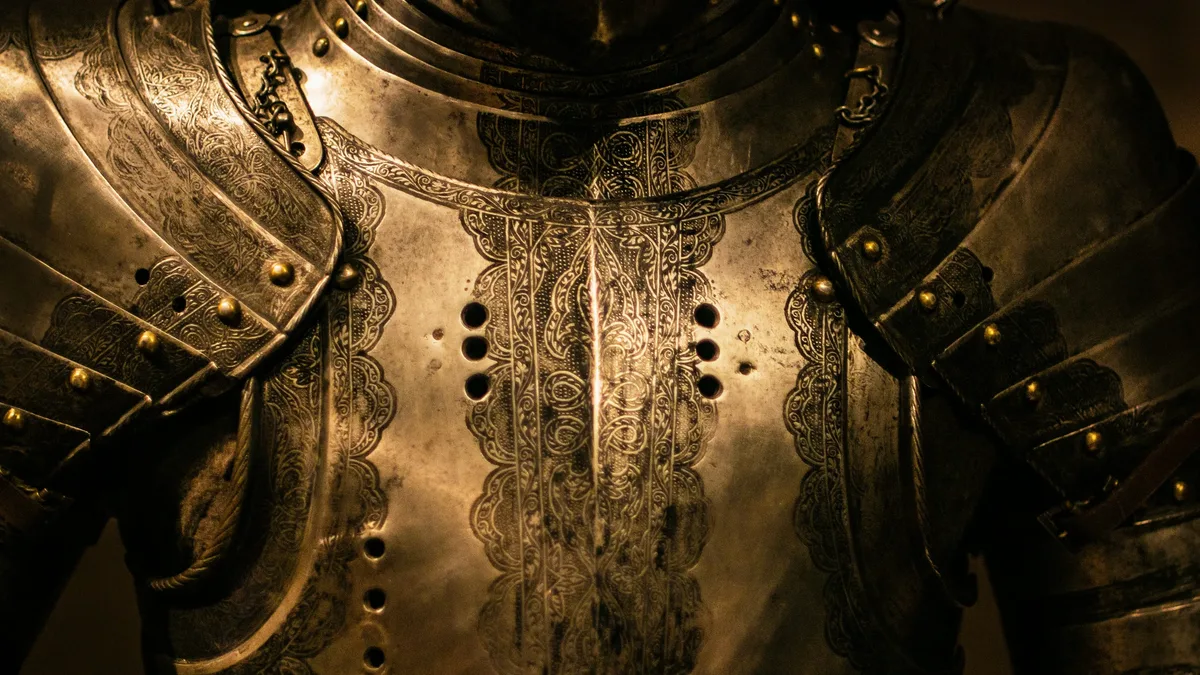
Battersea Shield's ritual use revealed by British Museum
Recent analysis of the 2,000-year-old Battersea Shield suggests it was a ritual offering, not a battle shield, with its distinctive British-made...

Ancient Cave Collapse Formed Nullarbor Plain Trenches
Mysterious trenches scoring Australia's Nullarbor Plain are surface scars from the collapse of massive Oligocene and Miocene-era cave systems, new...

Ancient Javanese Gold Mask May Have Confused Spirits
A 2,000-year-old gold funeral mask from Java, now at Yale, was likely used to cover a corpse's face, possibly to disorient the deceased's spirit and
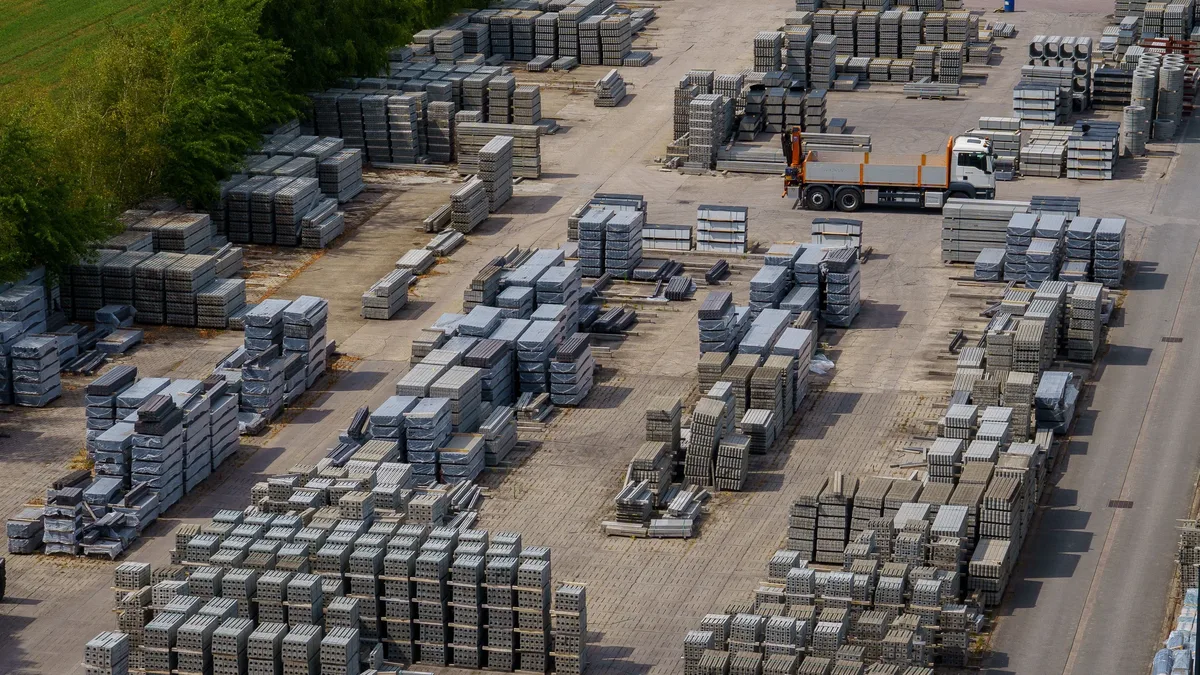
Ancient Iron Bars Found in Danube Could Equip an Army
Archaeologists have analyzed a 2,200-year-old cache of 500 iron bars recovered from the Danube River in Austria, the largest such find in Europe...
Ancient Cave Rituals Revealed by 25,000 Years of Burned
Microscopic plant remains in Cloggs Cave show GunaiKurnai ancestors deliberately gathered and burned whole grasses in ritual practices spanning...