Dinodontosaurus isiyavamanda fossil reshapes
A 240-million-year-old dicynodont fossil from Tanzania, stored in London for over 60 years, is a new species that links African and South American rocks
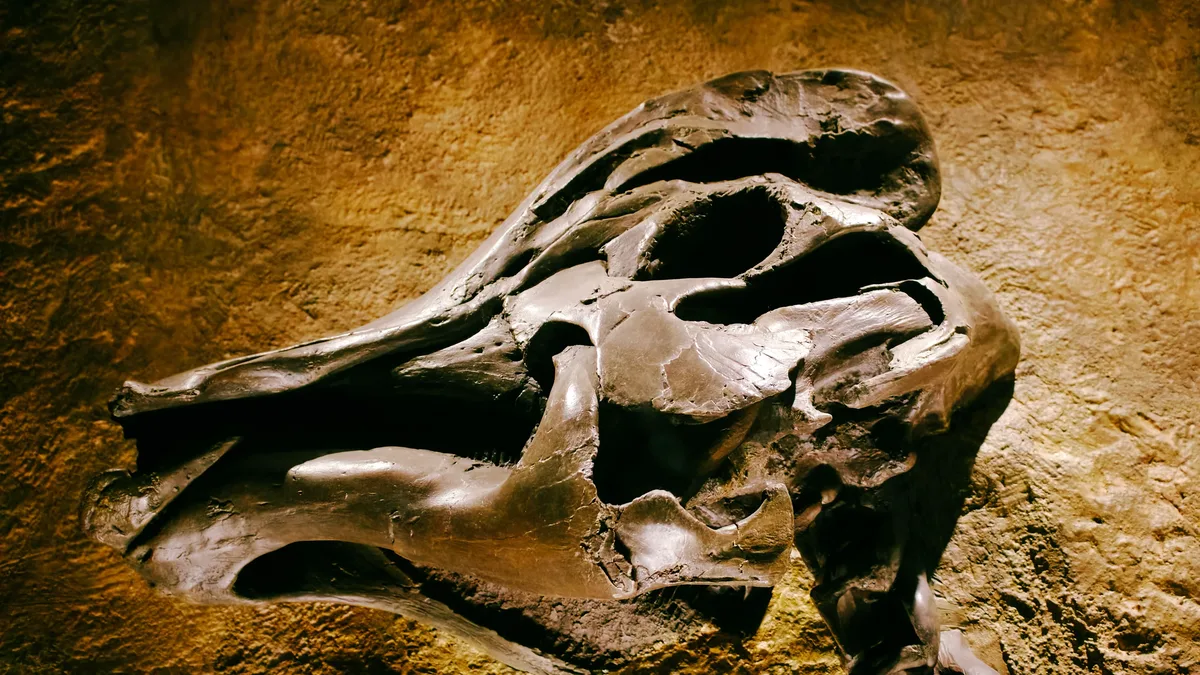
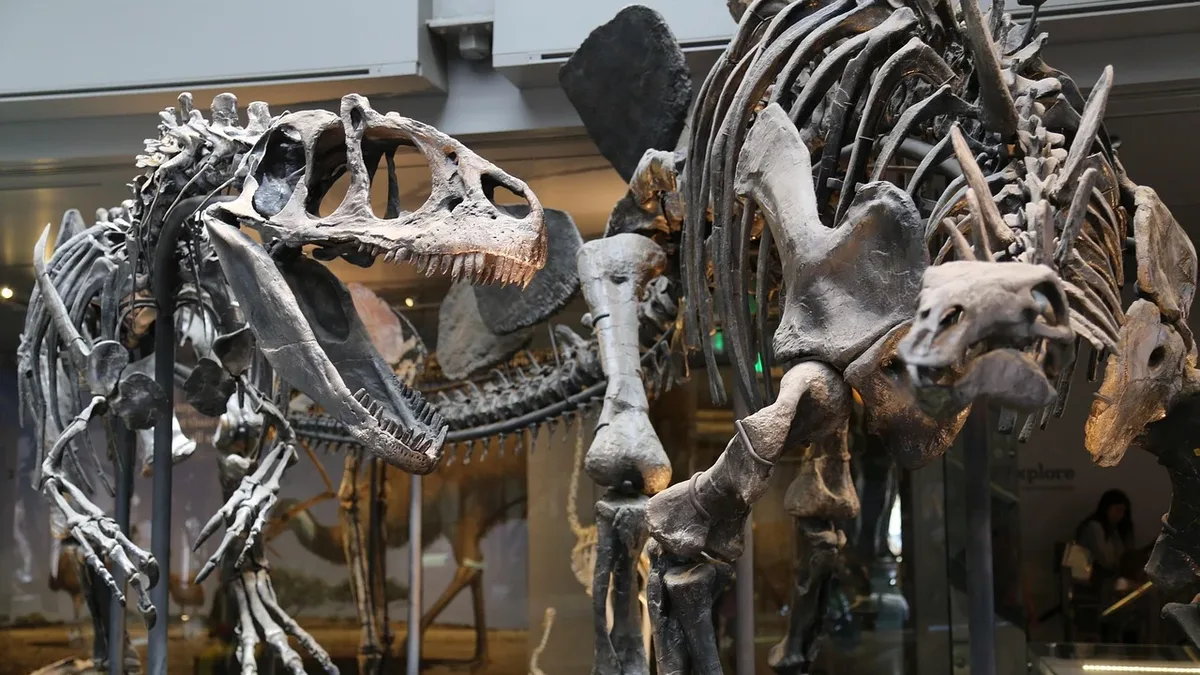
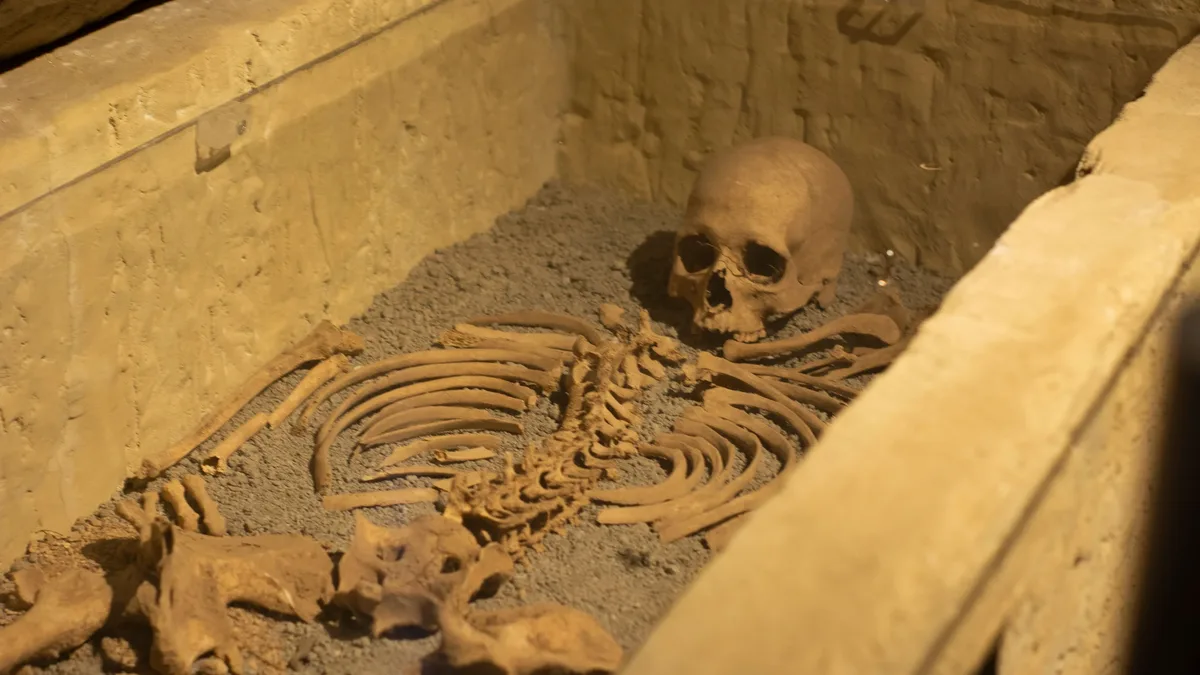
Scientists have named a new dicynodont species, Dinodontosaurus isiyavamanda, based on fossils collected in 1963 and stored in London for over 60 years. The 240-million-year-old skeleton, unearthed in Tanzania's Ruhuhu Basin, is the first confirmed record of its genus outside South America and challenges the age of rocks thought to contain the world's oldest dinosaurs.
The fossil was collected during a British expedition to what was then Tanganyika. It has been housed in the Natural History Museum's London archives since. A fragmentary skull discovered more recently was examined alongside the original skeleton. Anatomical evidence placed the Tanzanian fossils within the genus Dinodontosaurus, but distinct differences confirmed a new species. The species name isiyavamanda honors the Wamanda people, local to the area, who assisted the expedition in the 1960s.
The study involved an international team. Lead author Hady George, a PhD student at the University of Bristol's School of Earth Sciences, and co-author Nigel Larkin, a paleontologist and visiting research fellow at the University of Reading, led the analysis. Larkin first encountered the unidentified fossil as a student in the 1990s. The current work used micro-CT scanning and other modern techniques unavailable decades ago.
Age and geographic implications
Radiometric dating shows the Tanzanian fossils are 240 million years old and younger than previously thought, challenging claims that Tanzania contains the oldest dinosaur remains. The age previously assigned to these deposits was based on comparisons with South African rocks thought to be from the Middle Triassic. Recent radiometric dating of South American rocks suggests these early dinosaur-bearing sequences are as much as 10 million years younger than comparable rocks in South Africa.
The remains come from the same Manda Beds rocks as Tanzania’s proposed early dinosaur fossils, including Nyasasaurus, thought to be 243 million years old and previously considered a candidate for the first dinosaur. The presence of Dinodontosaurus on both continents allows direct comparison of fossil-bearing rock ages. This evidence suggests Tanzanian deposits should no longer be considered evidence for the oldest potential dinosaurs.
Expert analysis and future research
Lead author Hady George and co-author Nigel Larkin, both experts in prehistoric tetrapods, plan to study more fossils and compare Tanzanian and South American specimens to understand Triassic ecosystems. A substantial portion of the Tanzanian Dinodontosaurus material, especially the postcranial skeleton, still awaits full examination.
The team plans to compare the Tanzanian Dinodontosaurus fossils with those from South America. Forthcoming research will examine the remaining fossil material and explore the biomechanics and ecology of Triassic dicynodonts. Dr. Mike Day, Curator of Non-Mammalian Tetrapods at the Natural History Museum, London, is also a co-author on the study.
The research team will analyze the remaining postcranial skeleton of Dinodontosaurus isiyavamanda and compare it with South American fossils to reconstruct the anatomy and ecology of Triassic dicynodonts.