Spanish Neolithic Caves Reveal Diverse Cannibalism Practices
Analysis of 1,000 bones from three caves in southern Spain shows evidence of cannibalism spanning the Neolithic period, with practices ranging from violent
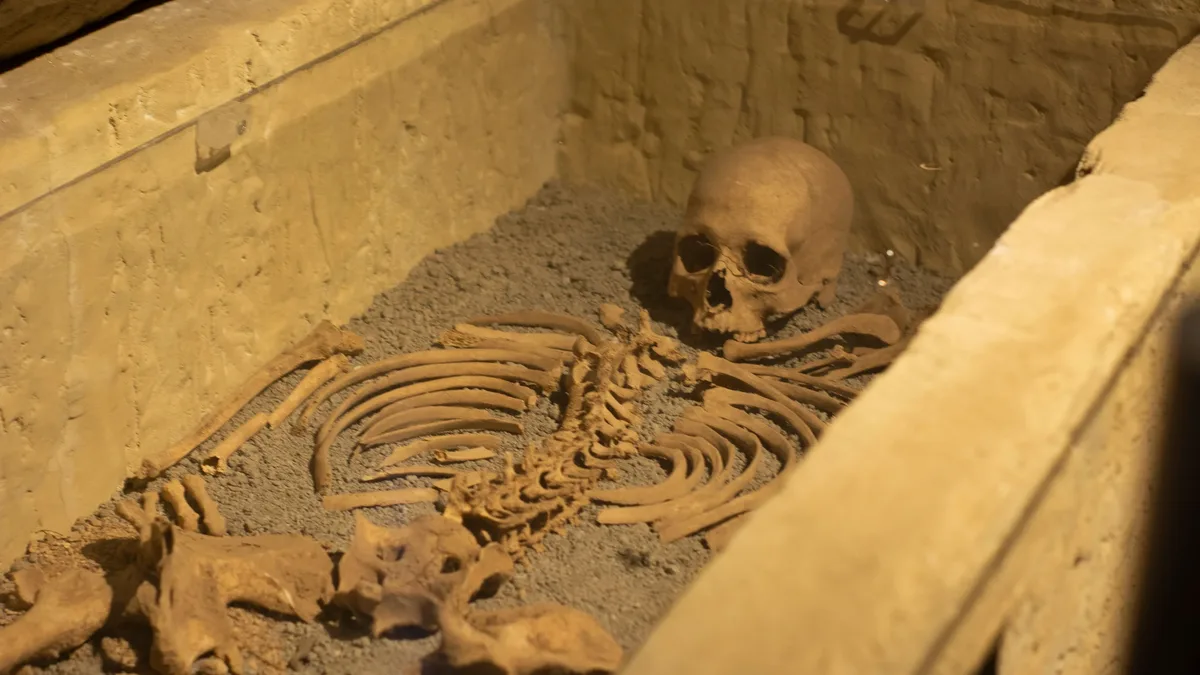
A new study of human remains from three caves in southern Spain has revealed distinct episodes of cannibalism across the Neolithic period. Palmira Saladié of the Catalan Institute of Human Paleoecology and Social Evolution (IPHES-CERCA) and her colleagues analyzed approximately 1,000 bones and teeth for telltale signs like cut marks, fractures, and human bite marks.
Evidence from Three Cave Sites
The research focused on material from Malalmuerzo, Carigüela, and Majolicas caves. At Malalmuerzo Cave, the team dated bones from at least 36 individuals to the Early Neolithic, between roughly 5300 and 4950 B.C. The researchers suggest these people may have died in a single violent event. Over half of these remains show evidence of having been boiled, and two skulls bear signs of blunt force trauma.
Dating from Carigüela Cave indicated its bones spanned much of the Neolithic period. Almost all of these remains carried butchery marks. Also, two skulls had been intentionally shaped into drinking cups, a practice known from other archaeological contexts.
Remains from Majolicas Cave were dated to the Late Neolithic, between 3950 and 3760 B.C. These bones were distinctively stained red with cinnabar, a mercury-based mineral. This treatment suggests the cannibalism there may have been part of a ritual or funerary practice.
A Spectrum of Motivations
The study concludes that cannibalism was not a monolithic practice in Neolithic southern Spain. Instead, it occurred at different times and for different reasons. The evidence points to varied motivations behind the consumption of human flesh.
The violence and processing seen at Malalmuerzo could indicate survival cannibalism or intergroup conflict. The systematic butchery and skull-cup creation at Carigüela suggest a more established, perhaps customary, form of behavior. The ritualistic cinnabar staining at Majolicas points to a symbolic or mortuary context.
Saladié and her team's analysis shows the complexity of interpreting such finds. Each cave tells a different story. The work adds significant detail to our understanding of how Neolithic communities in the region sometimes treated the dead.
The findings from Spain join a growing body of global evidence for prehistoric cannibalism. They highlight the need to carefully evaluate the archaeological context of human remains to distinguish between nutritional, violent, and ritualistic acts. The research provides a clearer, if grimmer, window into the social dynamics of early farming societies in Iberia.