
News
Kapersburg Roman fort yields temple to Mars
Archaeologists have uncovered a 1,800-year-old temple to Mars and a statuette of Victory at the Kapersburg Roman fort in Hesse.
News on The Potsherd.
Archaeologists have uncovered a 1,800-year-old temple to Mars and a statuette of Victory at the Kapersburg Roman fort in Hesse.
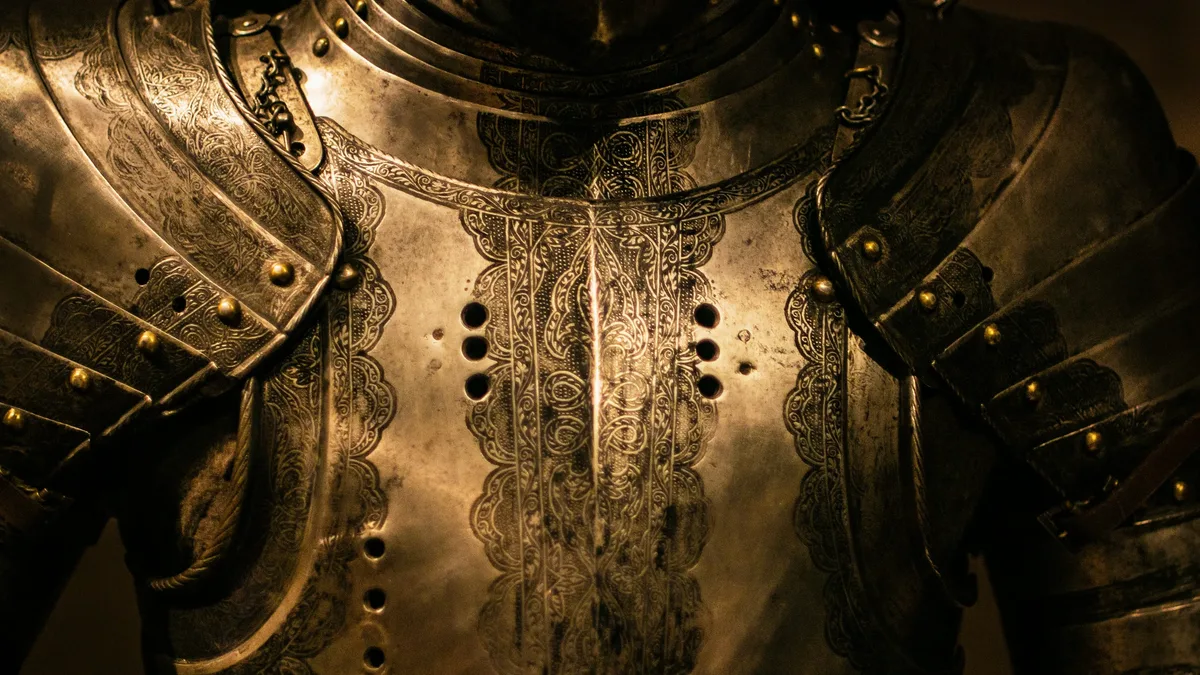
Recent analysis of the 2,000-year-old Battersea Shield suggests it was a ritual offering, not a battle shield.

A ceremonial burial of a 3,000-year-old young male horse has been discovered at the Abqaa' fortress in Egypt's Lake District.

A 2,000-year-old gold funeral mask from Java, now at Yale, was likely used to cover a corpse's face, possibly to disorient the deceased's spirit.
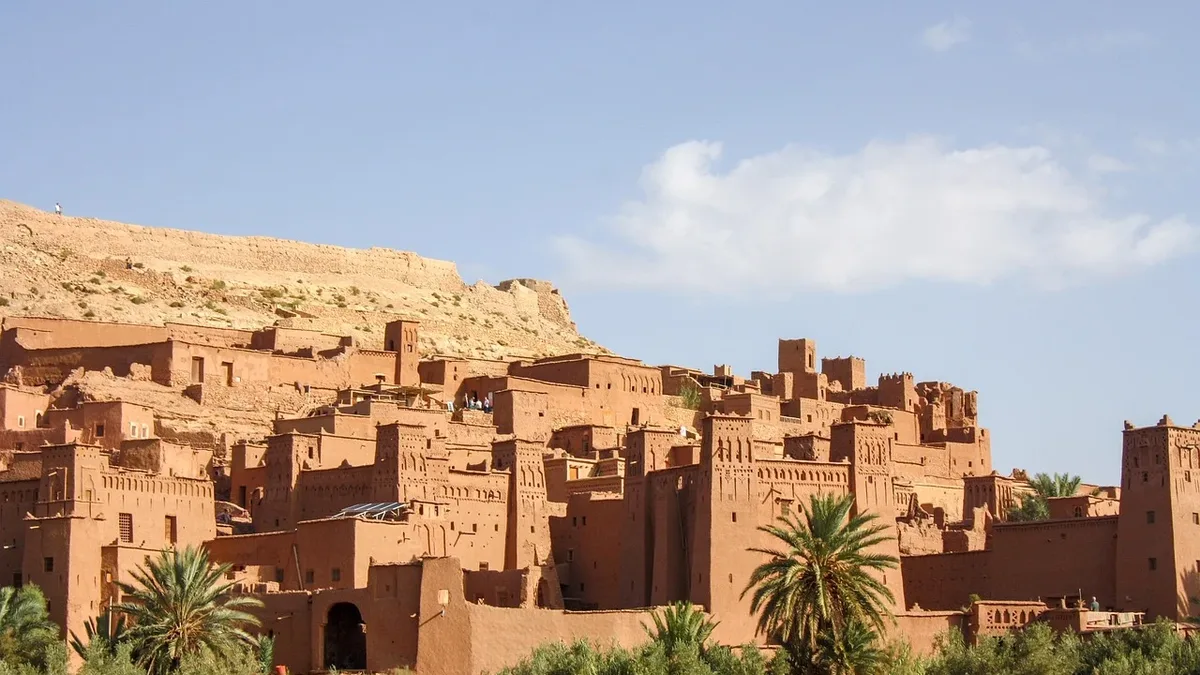
Archaeologists have dated a Moroccan ditch-and-rampart structure to 3,500-4,000 years old.
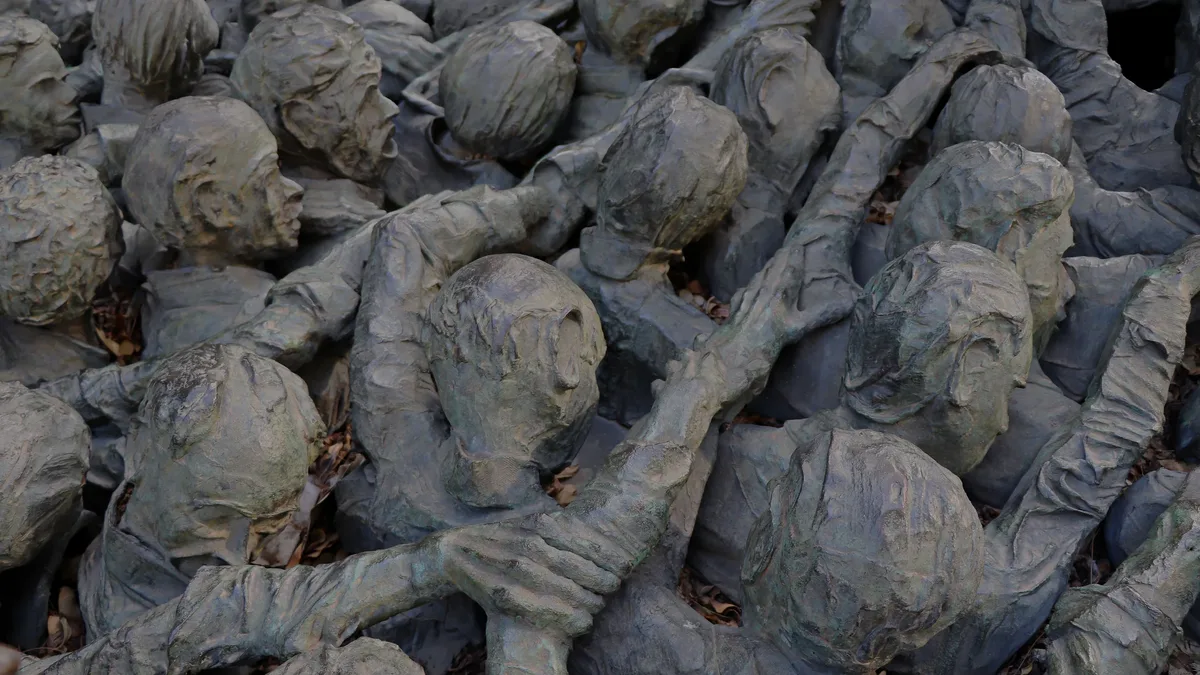
Ancient DNA from Siberian burials shows plague was lethal in small, mobile groups long before medieval epidemics.
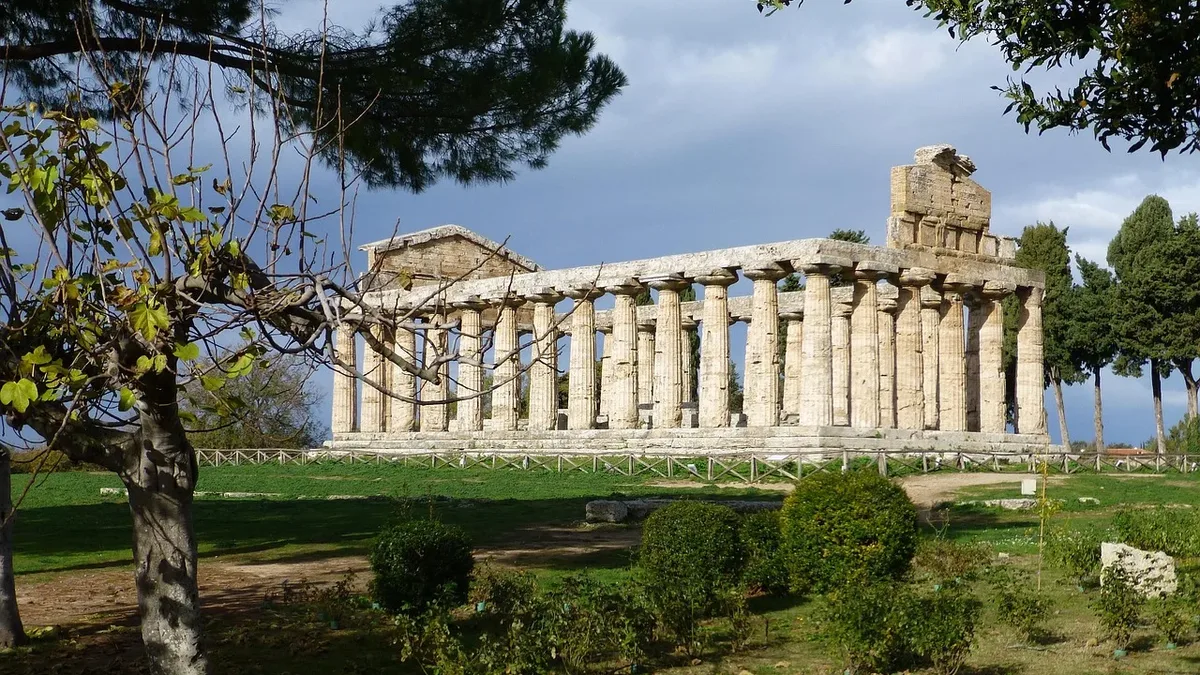
A geologist surveying a California creek bed for a frog habitat project discovered a remarkably well-preserved Pacific mastodon molar.
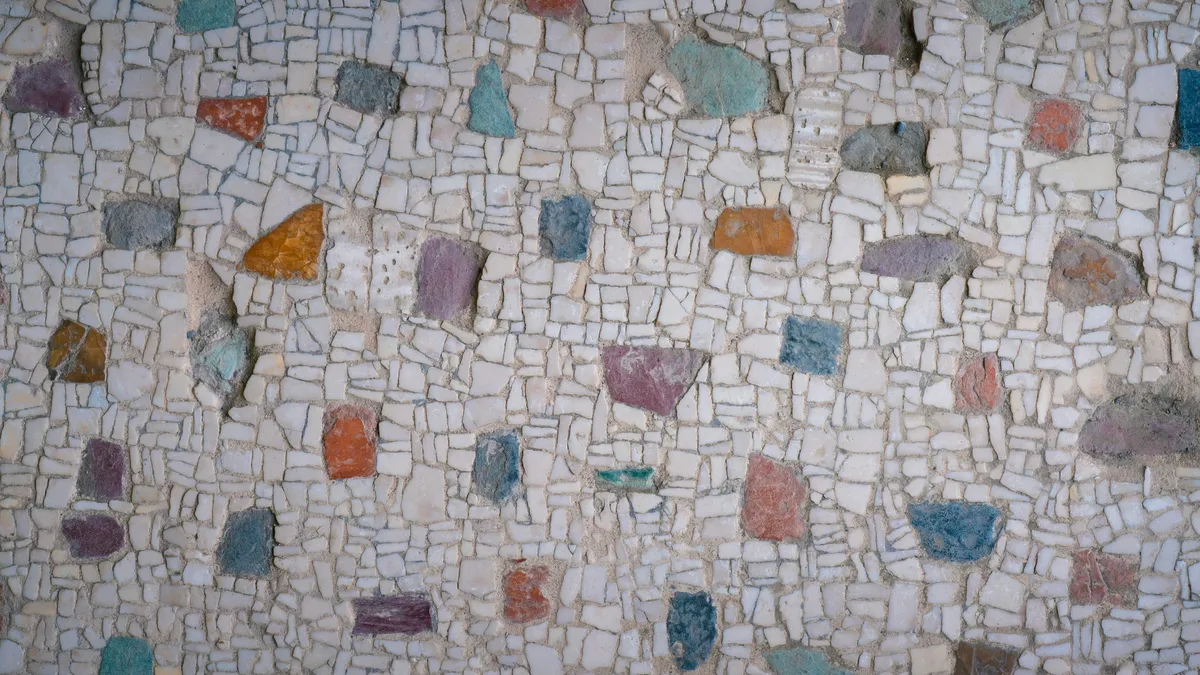
A 160-square-meter wall mosaic, the largest known from the Roman world, is now on public view at the new Museum of the Baths of Trajan.

A uniquely preserved 2,400-year-old timber structure has been discovered on the River Main in Bavaria. Archaeologists date the oak beams to 372-352 B.C.
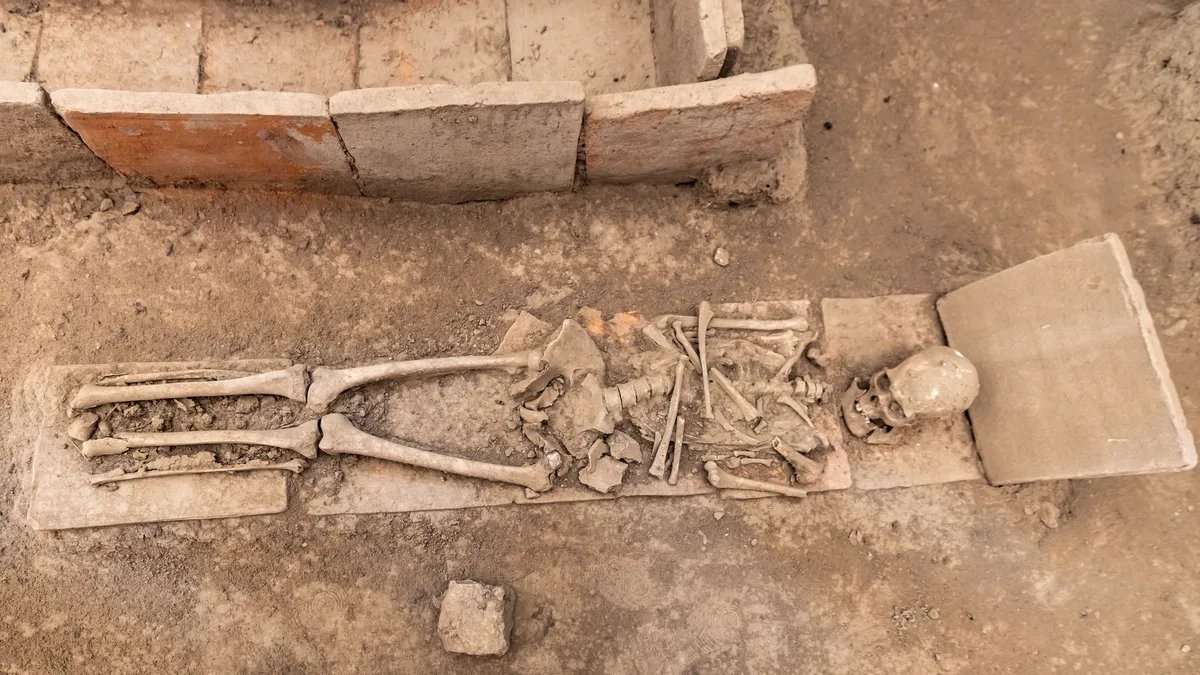
Archaeologists in Bulgaria discovered a 1,600-year-old skeleton inside a large storage jar within a Roman gate tower.

A new Hubble image of star cluster NGC 6723 shows stars of different ages, challenging the old theory that such clusters formed in a single burst.
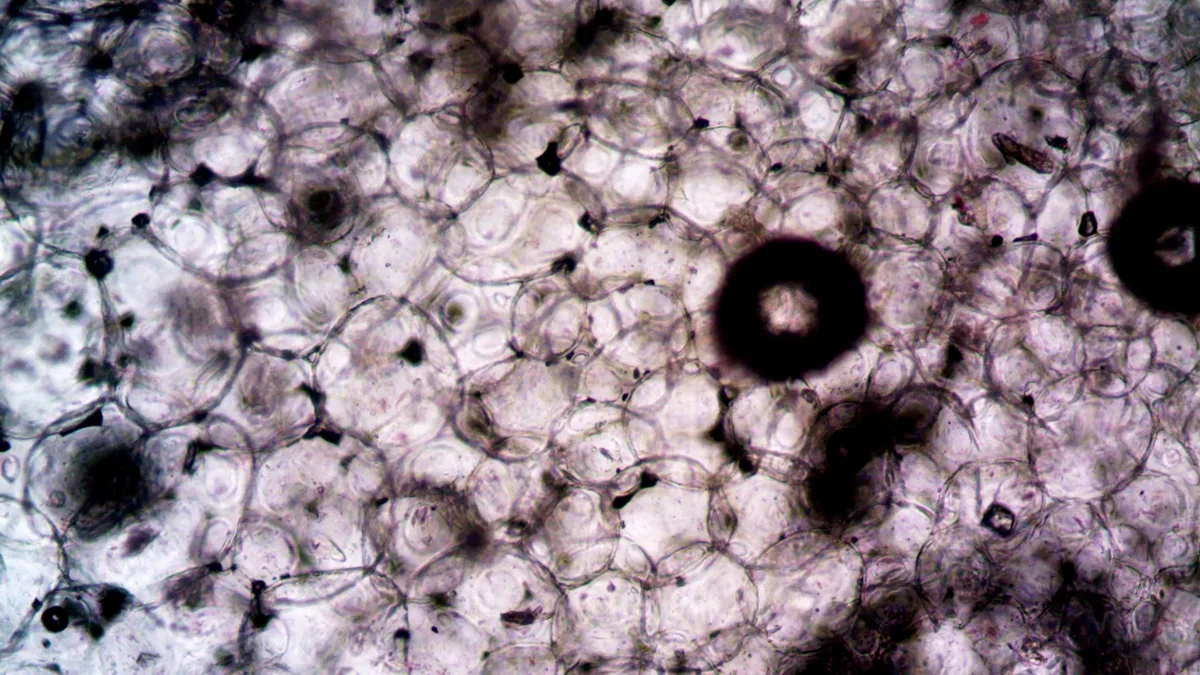
Scientists discovered metformin's main mechanism: it makes intestinal cells burn extra glucose by inhibiting mitochondrial complex I.
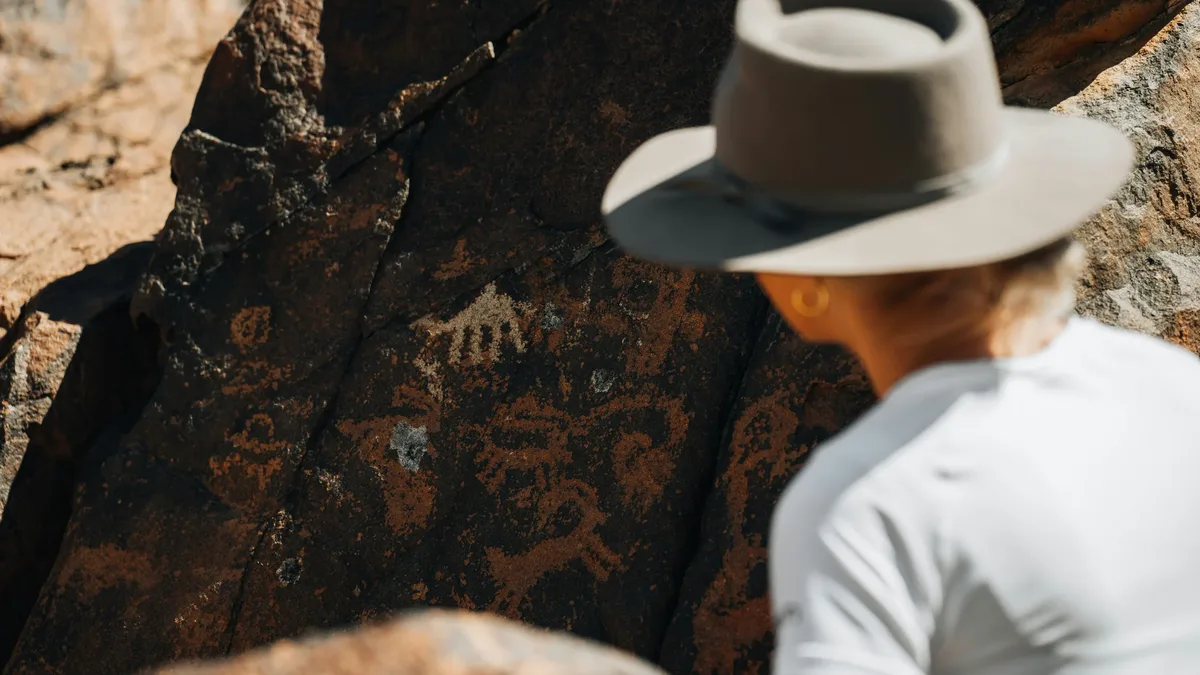
New research suggests Neanderthals may have lived in the Arabian Peninsula 55,000 years ago, farther south than previously thought.