First Diplodocus Found Outside North America Discovered
A 150-million-year-old dinosaur fossil from Spain has been identified as the first Diplodocus ever confirmed outside North America.
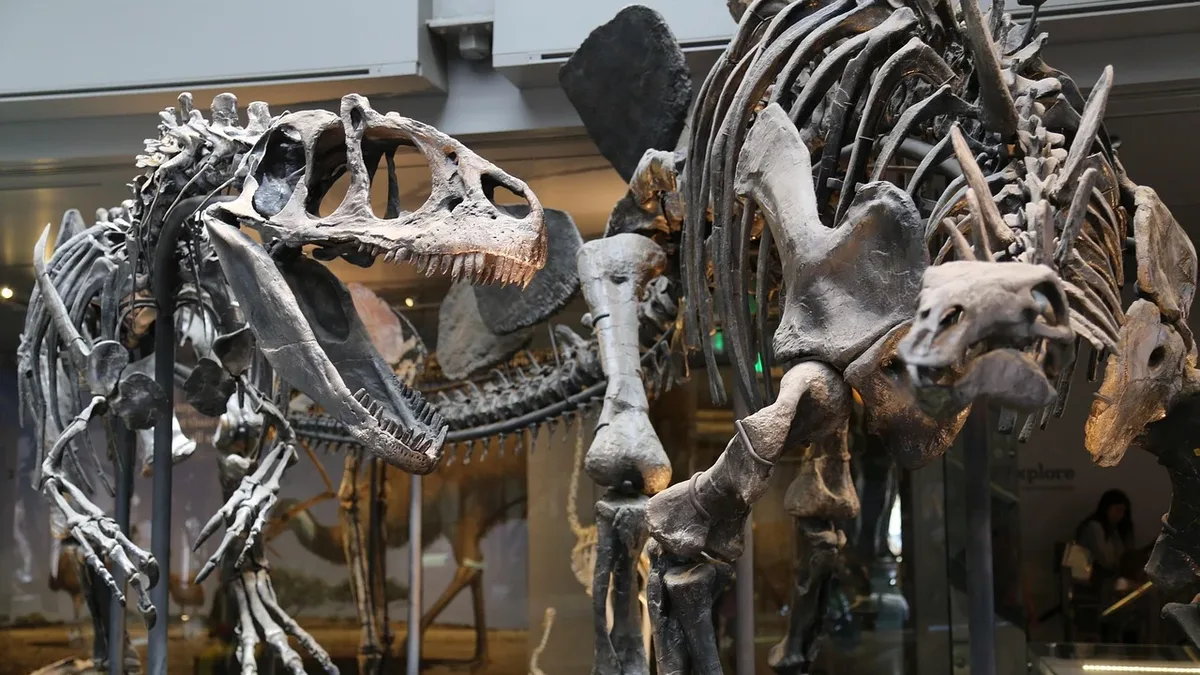
Paleontologists have identified the first Diplodocus specimen ever found outside North America. The 150-million-year-old fossils were unearthed in Spain, challenging the long-held belief that the iconic sauropod was exclusive to the Morrison Formation of the western United States.
Researchers from the Fundación Conjunto Paleontológico de Teruel-Dinópolis described the find in the Journal of Vertebrate Paleontology. The discovery provides strong evidence for dinosaur dispersal between North America and Europe during the Late Jurassic period.
A European Diplodocus Puzzle
The fossils were excavated at the La Tejería site in El Castellar, Teruel. The team recovered 14 exceptionally well-preserved tail vertebrae and several chevron bones. Lead author Sergio Sánchez Fenollosa, a PhD student at Fundación Dinópolis, described the identification process as an exciting puzzle.
"From the early stages of the osteological study, we noticed strong similarities with several diplodocine sauropods," Fenollosa stated. He explained that as the team examined the anatomy more closely, they identified a combination of features characteristic of Diplodocus species. Subsequent evolutionary analyses consistently pointed to the same conclusion.
Evidence of a Jurassic Land Bridge
The Spanish Diplodocus lived approximately 150 million years ago. Its presence in Europe indicates that dinosaurs could move between continents. Researchers, including the study authors, believe these movements were possible across temporary land bridges that formed when sea levels dropped in the proto-North Atlantic Ocean.
This finding offers more than just a new location for a famous dinosaur. It provides paleontological evidence for episodes of faunal exchange. The discovery allows for a better understanding of Iberian Mesozoic ecosystems and the diversity of sauropods that inhabited the European Jurassic.
Anatomy of a Giant
The specimen's excellent preservation allowed for detailed anatomical study. Key traits linking it to the Diplodocus genus include large pneumatic cavities inside the vertebrae, deep longitudinal grooves along the underside of the tail bones, and distinctive forked chevron bones with unique medial fossae. The team used both traditional anatomical comparisons and advanced phylogenetic analyses to confirm the identification.
Co-author Dr. Alberto Cobos, managing director of Fundación Dinópolis, noted the animal's size. "The Diplodocus from El Castellar was approximately 25 meters long, comparable in size to its North American relatives," he said. This makes it another giant among the sauropods of the Spanish Jurassic.
The fossil joins other massive sauropods from Teruel, such as Turiasaurus and Losillasaurus. These finds collectively make the region a key reference for understanding sauropod diversity.
A New Piece for a Diverse Ecosystem
The discovery adds another layer to the known dinosaur diversity of eastern Iberia during the Late Jurassic. The area around the fossil site has yielded remains from sauropods, theropods, stegosaurs, and ornithopods. This suggests the ancient coastal environments supported complex and highly varied dinosaur ecosystems.
The fossils are now housed in the dinosaur hall of the Museo Aragonés de Paleontología at Dinópolis in Teruel, available for continued research and public education.