Tell Abu Seifi may be the lost city of Mesn from Ramesses
Archaeologists suggest a 3,200-year-old inscription and temple remains at Tell Abu Seifi in northern Sinai could identify the site as the ancient Egyptian
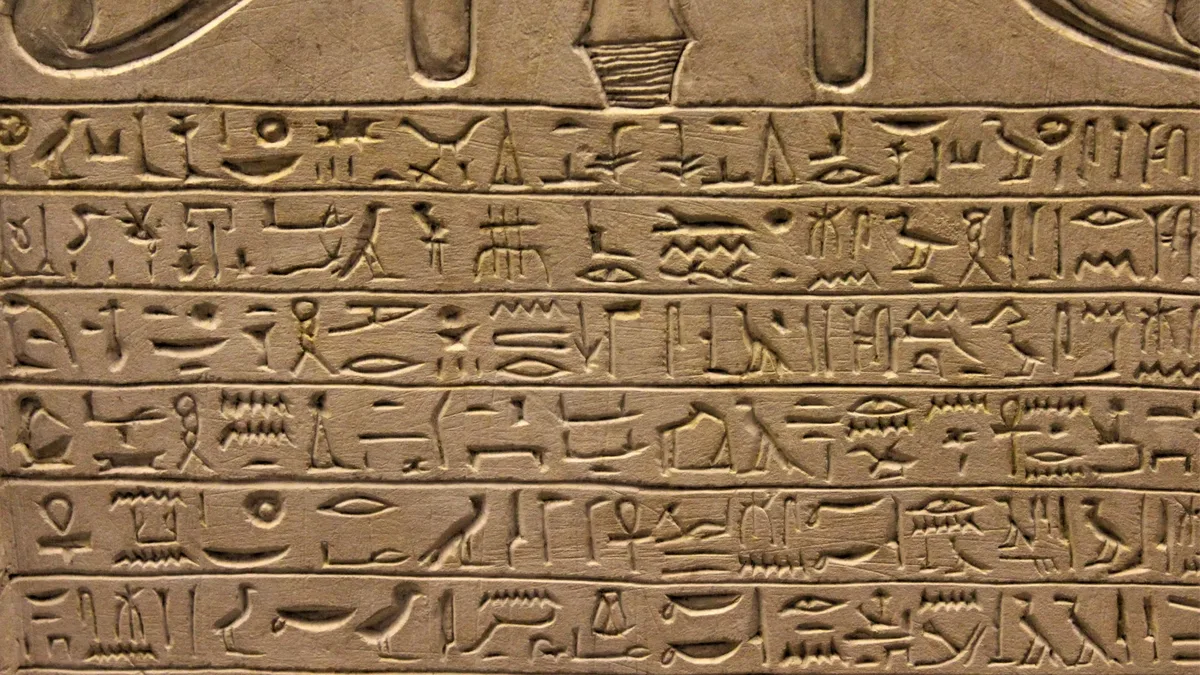
A 3,200-year-old inscription found at Tell Abu Seifi mentions Ramesses II and refers to Horus as the 'Lord of the City of Mesn.' The discovery was announced by representatives of the Egyptian Ministry of Tourism and Antiquities. The inscription was uncovered near an ancient military road at the site, which is located by the Suez Canal near the north Sinai Desert and the eastern Nile Delta.
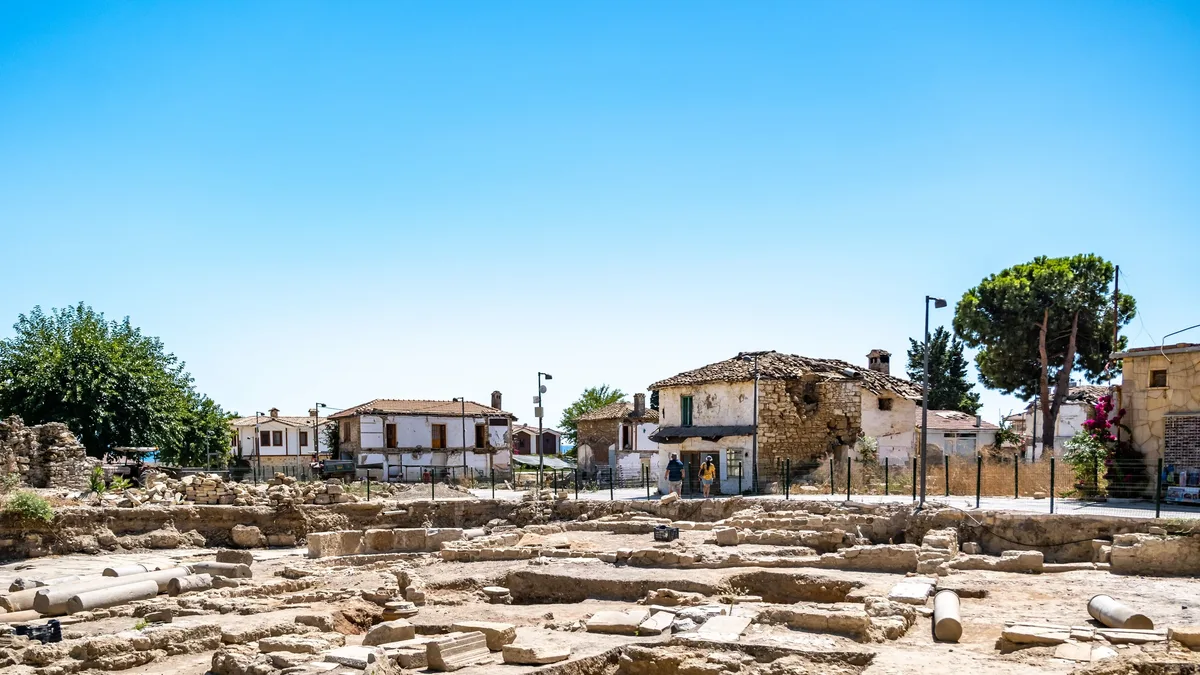
Archaeologists also found the remains of a temple dedicated to Horus at Tell Abu Seifi, though it was almost completely destroyed. Hesham Hussein, director general of Delta and Sinai Archaeology at Egypt's Ministry of Tourism and Antiquities and a leader of the research team, noted the destruction limits what can be learned from the temple remains.
The presence of both the inscription naming Mesn and the Horus temple suggests Tell Abu Seifi may indeed be the lost city of Mesn, also spelled Mesen. However, Hussein cautioned that more research is required before archaeologists can be certain of the identification.
If Tell Abu Seifi is Mesn, the city appears to have existed for a long time. A bronze seal from the Ptolemaic period (circa 304 to 30 B.C.) previously found at the site bears the inscription 'Horus, Lord of Mesen.' Coffins from the same period found at Tell Abu Seifi also contain similar inscriptions, indicating the cult of Horus remained significant there across centuries.
Hussein stated that the title 'Horus, Lord of Mesen' directly links the deity to the place, and the archaeological evidence supports the importance of this cult at the site. He added that historical records show a second settlement named Mesn existed in southern Egypt, though the northern site is under current investigation.
Tell Abu Seifi lies near what the ancient Egyptians called the 'Way of Horus,' a road connecting the eastern Nile Delta with the southern Levant and lined with fortresses. Peter Brand, a professor of history at the University of Memphis not involved in the excavation, said the evidence indicates Tell Abu Seifi, near modern Qantara, was likely Mesn. He noted that several fortifications were built along the 'Ways of Horus' and that Mesen was probably a jumping-off point for Egyptian armies heading to Canaan, Lebanon, and Syria.
Brand referenced Ramesses II's military campaigns, including the Battle of Kadesh in Syria against the Hittite Empire. He said the temple of Horus of Mesen at Tell Abu Seifi was the most important religious center in the area and that the new inscription mentions Ramesses II restoring a statue of Horus of Mesen. A pedestal matching such a statue had previously been found at the site.
Other scholars urge caution. James Hoffmeier, an archaeologist and professor at Trinity International University with extensive regional experience, said while the case is strong, he wants to see more evidence such as ceramics before accepting the identification.
Gregory Mumford, an anthropology professor at the University of Alabama at Birmingham not involved in the excavations, pointed out that similar inscriptions mentioning Mesn have been found at other sites, including a fortress at Kom el-Qolzoum on the Suez and a fort at Tjaru in northwest Sinai. He proposed that Mesn might refer to a broader region encompassing multiple sites rather than a single city.
Oren Siegel, an Egyptology professor at the University of Toronto not involved in the excavation, called the find exciting but said he wants more information before commenting in detail. Shirly Ben Dor Evian, an Egyptology professor at the University of Haifa in Israel also not involved, emphasized the need for further details, especially on the hieroglyphic inscriptions.
Research at Tell Abu Seifi is ongoing. Hussein noted that the team continues to study the site, and no final conclusion has been reached regarding its identification as Mesn.