Kolomna Hoard: 2,600 Medieval Silver Coins
A ceramic jug containing 2,600 fifteenth-century silver coins has been excavated in Kolomna, Russia. Researchers link the burial to a plague epidemic in the 1420s.
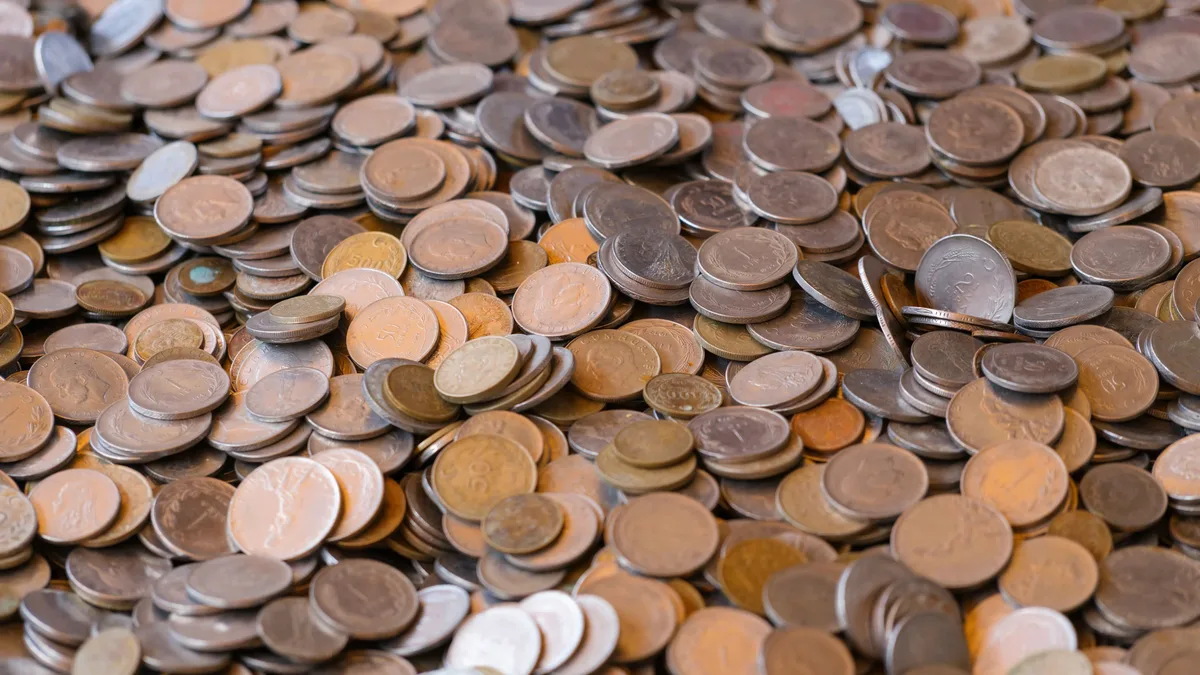
A hoard of approximately 2,600 silver coins from the fifteenth century has been discovered in western Russia. The find was reported by Live Science and announced by A.V. Engovatova of the Russian Academy of Sciences.
The coins were buried inside a ceramic jug. This occurred in what is now the historic center of the city of Kolomna. Most of the coins are dengi, a denomination worth half a kopeck. Engovatova explained that one hundred kopecks equal a ruble.
Coinage of the Grand Principality
The dengi were minted under the rulers of the Grand Principality of Moscow. Their production spanned from around 1389 into the 1420s. Notably, some coins feature a rare depiction of a bird in flight.
More than 350 coins from the hoard are previously unknown varieties. These appear to have been produced by a local mint in Kolomna itself. This suggests active monetary activity in the city during the period.
A Plague Hypothesis
Researchers have proposed a theory for why the hoard was never retrieved. They believe the owner may have died during a plague epidemic. That outbreak swept the region between 1424 and 1427.
The burial of such a substantial sum aligns with a sudden, catastrophic event. Personal wealth would be concealed for safekeeping. If the owner perished, the secret of the hoard's location died with them.
The Hoard's Composition
The table below details the primary components of the Kolomna find as described by researchers.
| Component | Detail |
|---|---|
| Total Coins | Approximately 2,600 |
| Primary Denomination | Dengi (half a kopeck) |
| Minting Authority | Grand Principality of Moscow |
| Minting Period | c. 1389 to 1420s |
| Coins with Rare Design | Some feature a bird in flight |
| Previously Unknown Varieties | Over 350, minted locally in Kolomna |
| Container | Ceramic jug |
| Burial Location | Historic center of Kolomna |
This discovery provides a direct snapshot of medieval Russian currency and trade. The local Kolomna mint varieties are a particular highlight for numismatists. They offer new evidence for the economic reach of a regional center.
The link to the plague epidemic remains a compelling interpretation. It connects a personal act of wealth preservation with a documented historical crisis. The hoard waited silently for six centuries.