Dutch Child Labor Effects Seen in Young Bones
A study of over 140 skeletal remains from the 17th-19th centuries shows severe spinal damage in Dutch children who worked on farms and in factories, with
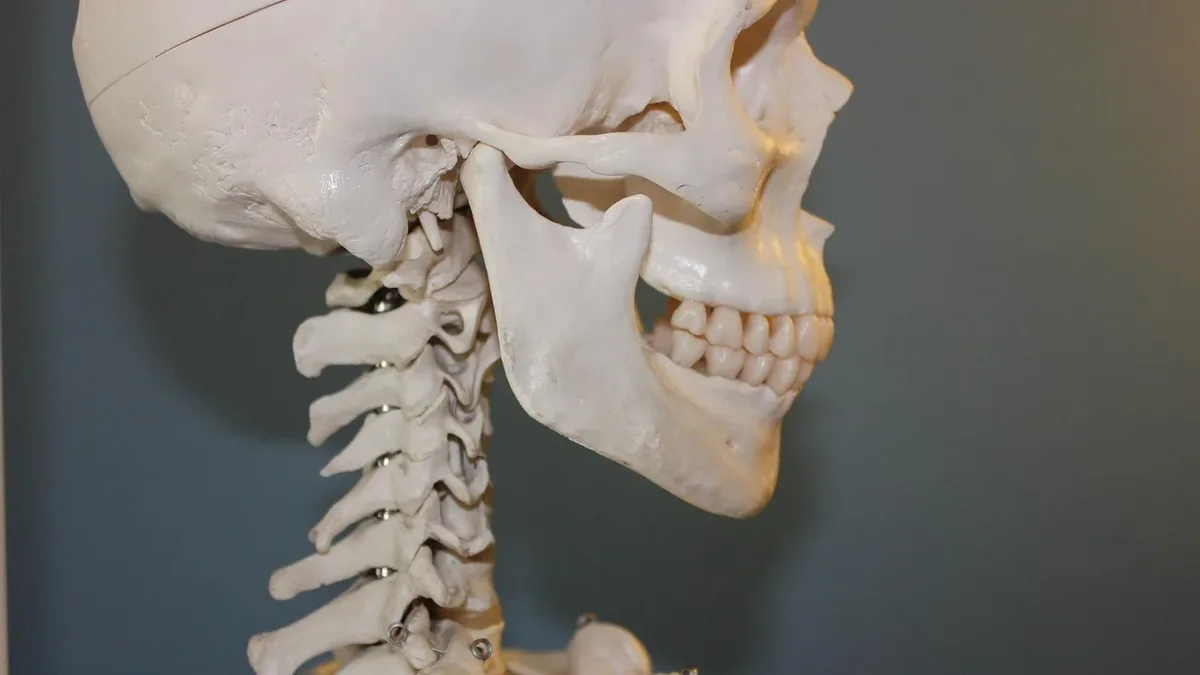
Researchers from Leiden University have documented the physical toll of child labor in the Netherlands by analyzing the spines of more than 140 young people who lived between the seventeenth and nineteenth centuries. The study compared the bones of working children with those from affluent families who did not perform manual labor.
The Skeletal Evidence
Alex Tutwiler and Rachel Schats of Leiden University examined the remains for specific signs of stress and injury. They found worn-down spinal joints, bony growths on the edges of vertebrae, and dents in spinal discs. These conditions were present in children who began working as early as four years old. "It was honestly heartbreaking," Tutwiler said.
The damage was not uniform. The most severe spinal trauma was identified in the bones of children who worked on rural dairy farms, hauling heavy loads of milk and cheese. Children employed in urban factories, performing tasks like spinning, sewing, and weaving, showed different patterns of lower back problems.
A Comparative Control Group
The analysis included a comparison with children from wealthy backgrounds who were not engaged in physical labor. Interestingly, this group also exhibited some lower back issues. Tutwiler and Schats suggest these injuries may have resulted from other activities common to their social class, such as horseback riding, vigorous play, or long hours of sedentary study.
This contrast shows how bone analysis can differentiate between the systemic damage caused by labor and injuries from other sources. The skeletal record provides a direct, physical corroboration of historical accounts.
The Impact of Different Labor
The research highlights how the type of work dictated the specific physical impact. The repetitive carrying of heavy weights on farms caused the heaviest damage. Factory work, while still harmful, produced a distinct set of spinal stresses. The study moves beyond written records to show the tangible cost of industrialization and agricultural labor on developing bodies.
"Reading the historical accounts of child labor in the Netherlands during this period is one thing, but actually seeing the effects of child labor on growing bones is entirely different," Tutwiler concluded. The findings are detailed in the International Journal of Paleopathology.
The work offers a stark archaeological perspective on social history, using material culture-the bones themselves-to reveal the lived experience of children from different social strata across three centuries of Dutch history.