Bronze Age Cypriot tombs reveal ritual plant bouquets
Analysis of 3,400-year-old charred plant remains from tombs at Hala Sultan Tekke shows diverse botanical deposits, including cereals and flowers, used in burial practices.

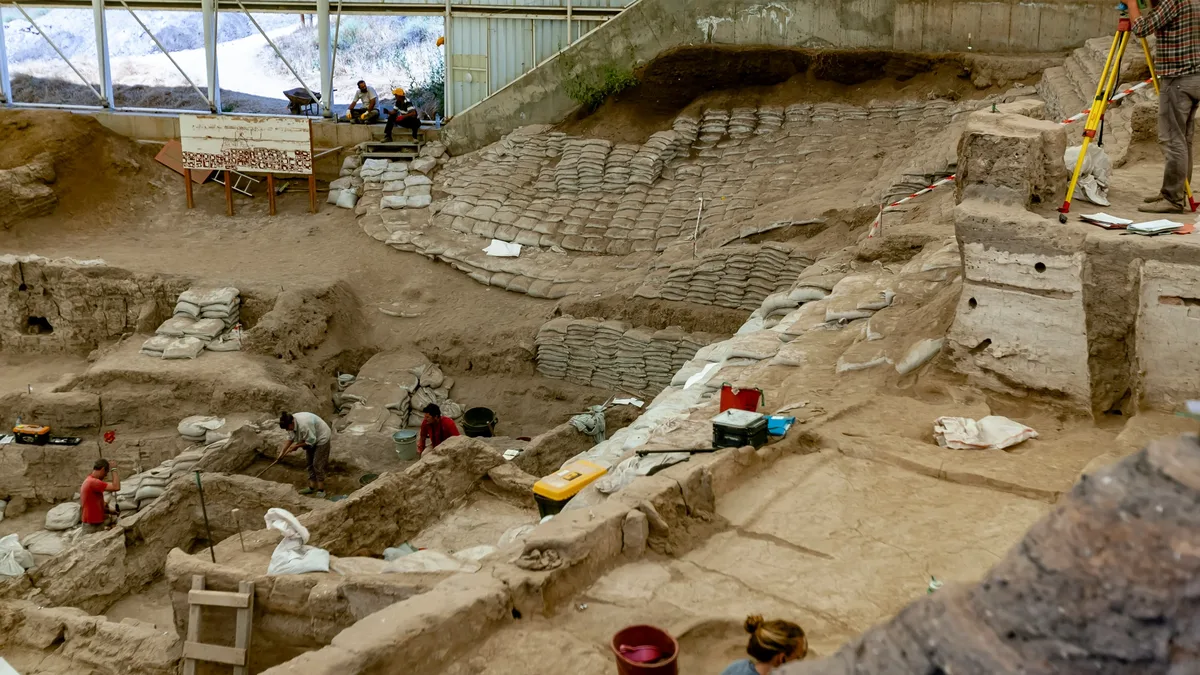
Archaeologists have found evidence that ancient Cypriots may have burned complex plant bouquets in funeral rites 3,400 years ago. Charred plant remains from four tombs at the major Bronze Age harbor city of Hala Sultan Tekke suggest a ritual use of flora beyond mere food offerings.
Teresa Bürge of the Austrian Academy of Sciences and her colleague Dominika Kofel led the study, examining material from the tombs, a settlement well, and an earlier excavation. The team detected burnt plant remains in two ceramic jugs from one tomb. Tomb SS, which contained numerous burials and over a thousand ceramic objects, held stems, straw, and other plant parts. One jug from this tomb contained a specific mixture.
Other tombs yielded different combinations. Tombs UU and XX contained mainly edible plants like barley, olives, and grapes. A vessel from Tomb XX held barley, other cereals, and wild grass seeds. In contrast, Tomb YY contained a Mycenaean-style jar with cereals, wild grasses, and flowering plants including poppy and centaury. Tombs SS and YY both held mixtures of cereals and flowering plants.
Well deposits suggest deliberate ritual activity
Plant remains were also found in stratified ash layers within a settlement well, indicating possible ceremonial deposition. The well contained charred barley, wheat, grape remains, and corn chamomile in separate ash deposits collected at different depths. Researchers note this broad mix of cereals and flowering plants mirrored the tomb finds. The ash deposits differed from typical household waste, suggesting deliberate placement. Corn chamomile, which bears white flowers but is not edible and has no known medicinal use, was present. The team believes these deposits may have marked the well's closure, though practical explanations like cleaning cannot be ruled out.
Wood remains point to sensory elements in funerals
Cedar and Mediterranean cypress remains identified in Tomb UU point to another sensory layer in funeral rites. Burning this resin-rich wood could have produced noticeable smoke and scent during ceremonies. Teresa Bürge stated the basic finding: "Burnt plant remains were detected in two ceramic jugs recovered from one of the tombs." The combination of flowering plants and cereal remains suggests some deposits occurred during early summer, potentially around harvest time. The evidence does not conclusively prove plants were deliberately burned as offerings. However, the repeated discoveries suggest vegetation played a role in ancient Cypriot ceremonies beyond food production and consumption.
Study connects botanical evidence to broader site context
The research integrates data to interpret plant use within the wider settlement and chronological framework of Hala Sultan Tekke. The city's best-known period spans the 13th and 12th centuries BCE. Earlier excavations there uncovered richly furnished Bronze Age tombs with gold jewelry and imported goods. The team also examined older finds from a shaft excavated in the 1970s, which contained uncharred remains including many grape pips. Their study links the types of plants, their condition, and their specific find spots across the site.
The study was published in Levant: The Journal of the Council for British Research in the Levant in 2026. Researchers suggest that repeated discoveries of mixed cereal and flowering plant remains indicate vegetation played a symbolic role in ancient Cypriot ceremonies beyond subsistence.