Regions & periods
Oldest Defensive Wall in North Africa Found in Morocco
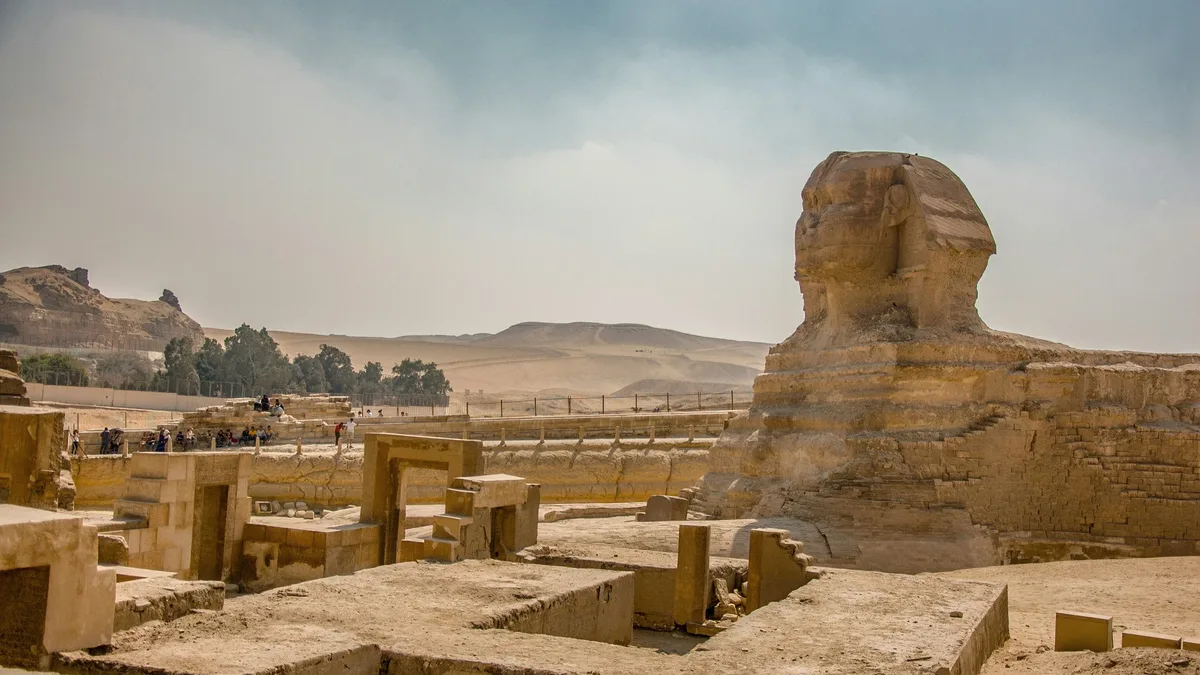
A 4,000-year-old defensive wall discovered at Oued Beht in Morocco is the oldest known outside Egypt in North Africa, revealing early farming communities'
A 4,000-year-old defensive wall discovered at Oued Beht in Morocco is the oldest known outside Egypt in North Africa, revealing early farming communities'
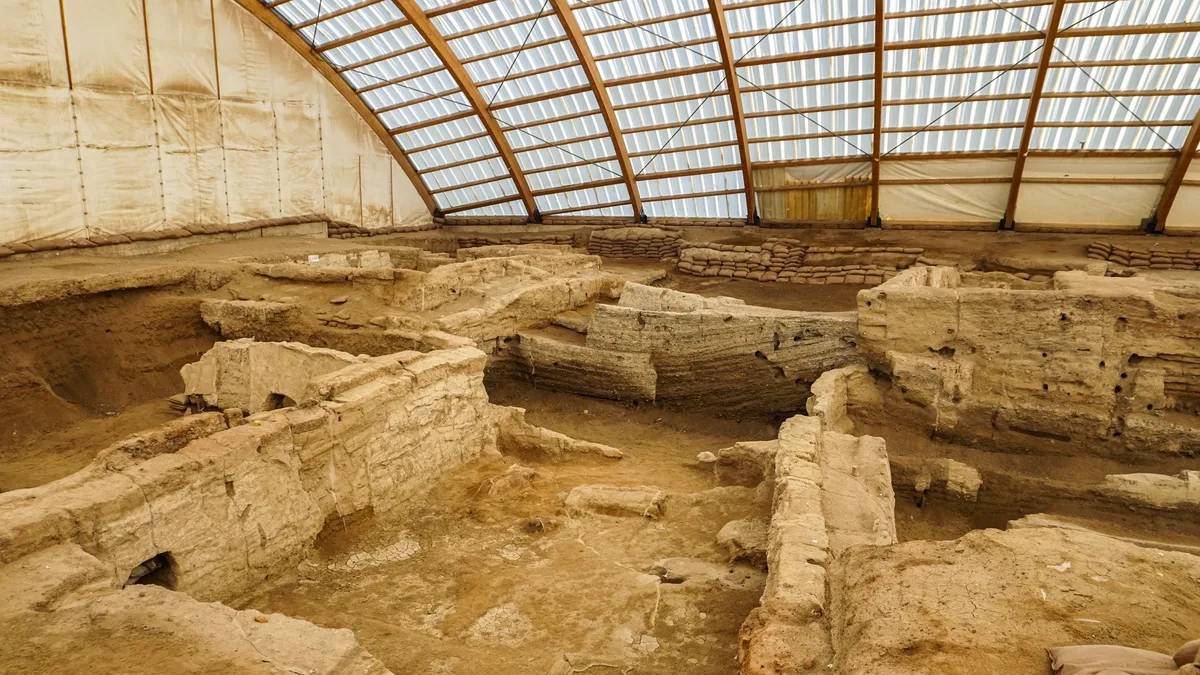
Archaeologists have uncovered a Sarmatian warrior's grave from the 1st century BCE-1st century CE within a much older Yamnaya burial mound on Ukraine's
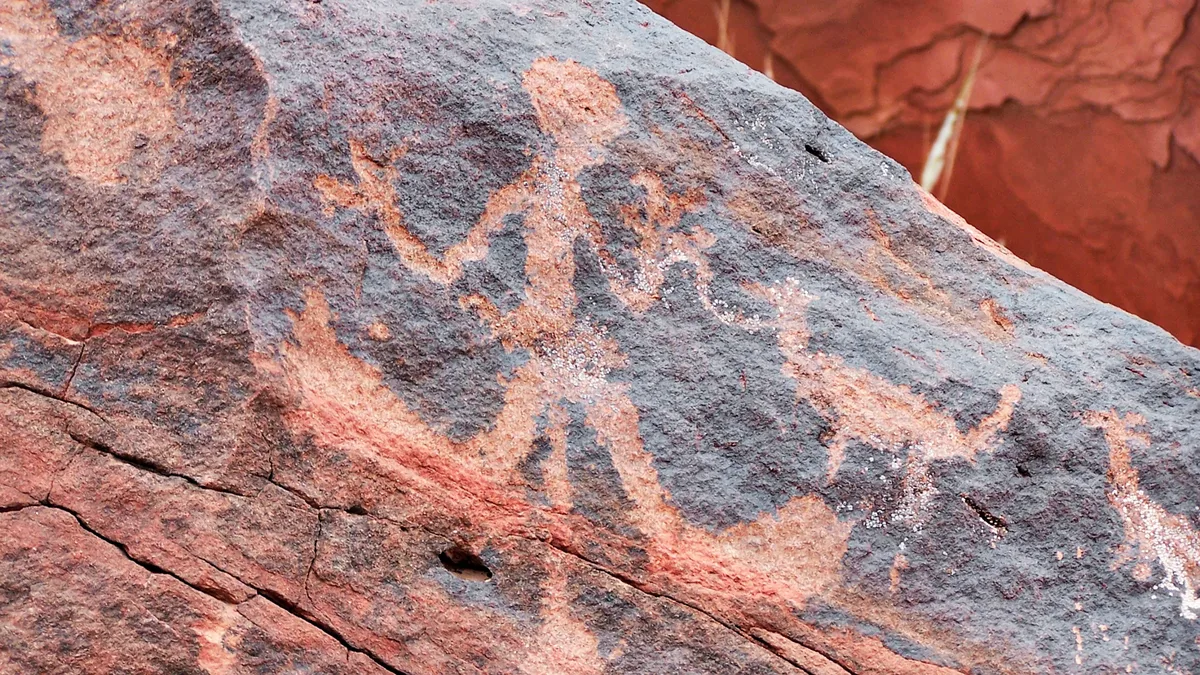
A life-sized petroglyph in northern Sudan may represent a Kushite ruler, according to new research published in Antiquity.

Recent analysis of the 2,000-year-old Battersea Shield suggests it was a ritual offering, not a battle shield, with its distinctive British-made swastika
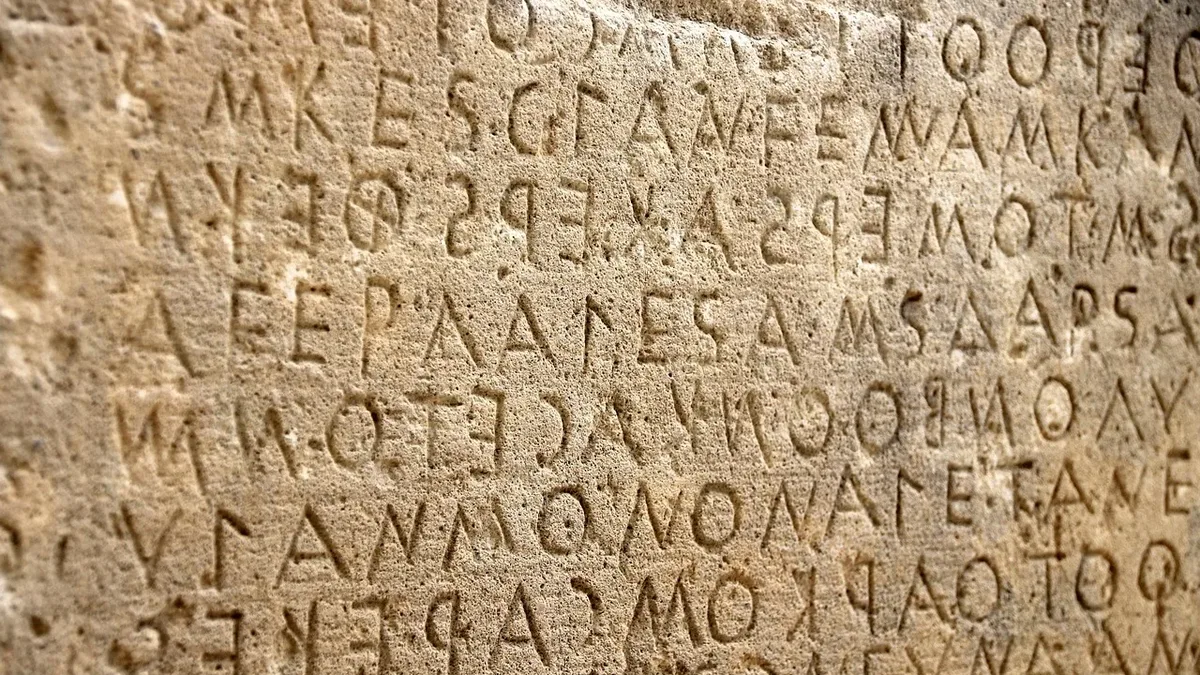
A 1,700-year-old Roman-era tomb in Egypt's Dakhla Oasis, built for a married couple, features a rare Greek funerary poem and hybrid Egyptian-Greek
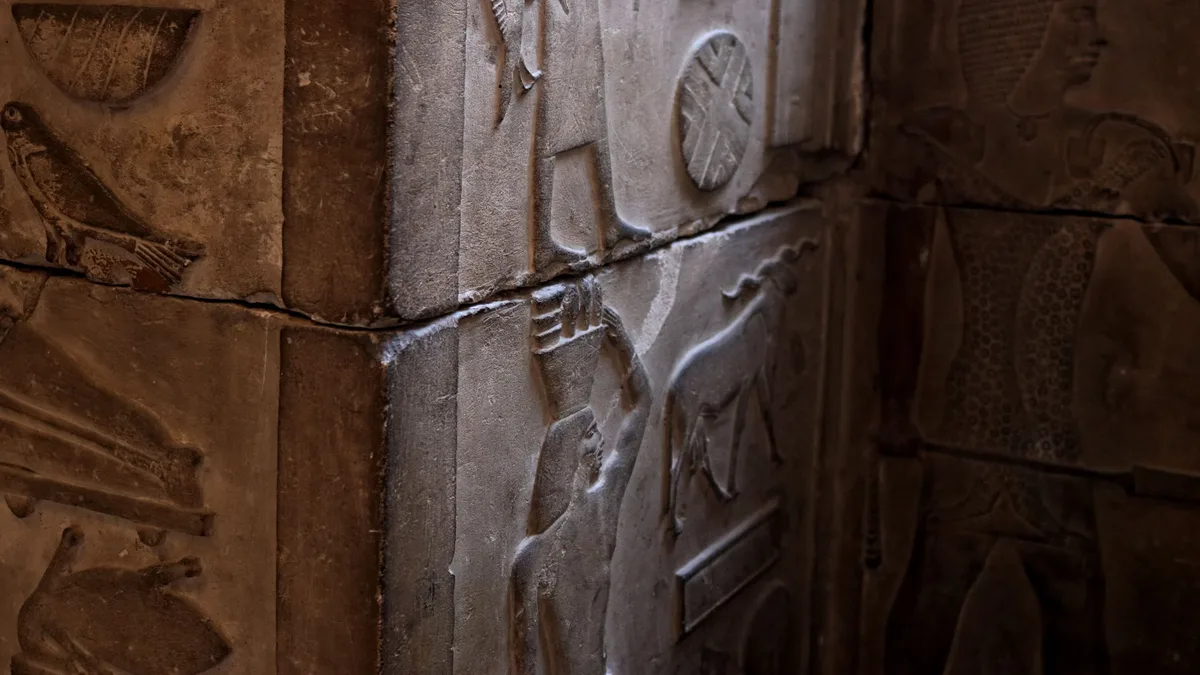
A Roman-era tomb at Bir Al-Shaghala necropolis features a rare Amduat scene and a Greek funerary inscription, highlighting religious continuity in Egypt's






Archaeologists have uncovered a 65-foot section of a Gallic stone and wood wall beneath a Paris hospital, potentially the earliest physical trace of
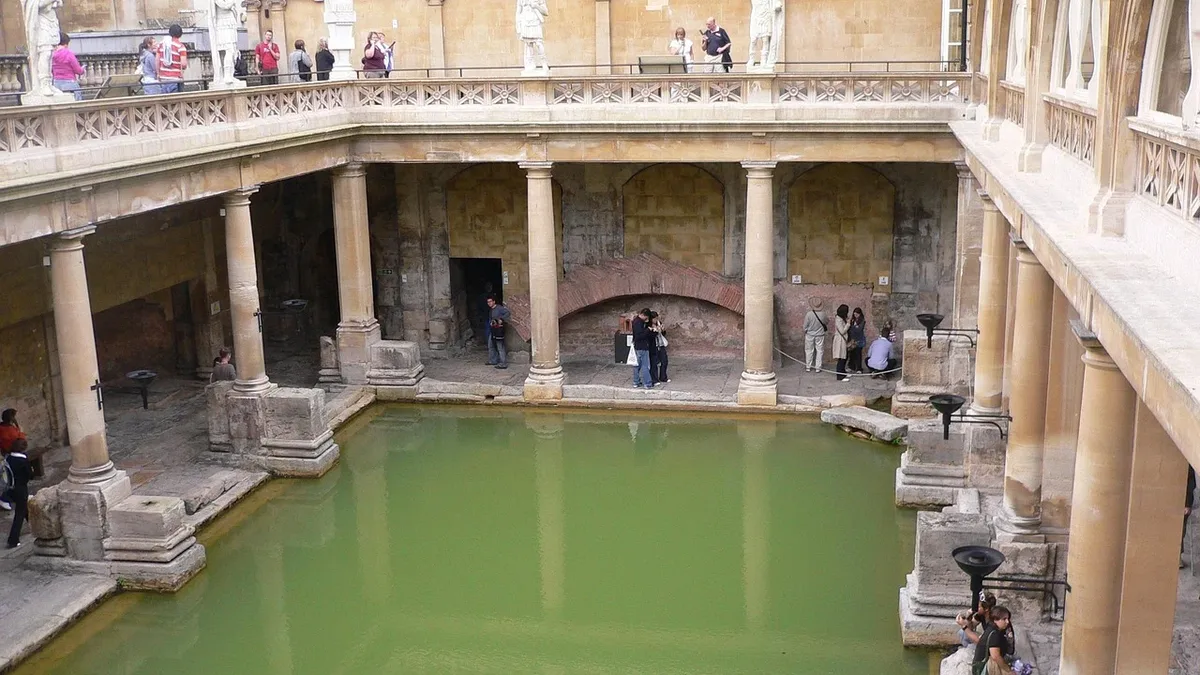
Archaeologists have uncovered a monumental complex of three ritual baths and a large pool at Jerusalem's Ophel, dating to the late Second Temple period.

Scandinavian national museums are attempting to present a more complex view of Viking society, highlighting farmers, traders, and women.

A metal detectorist has discovered Germany's largest known hoard of silver coins from the reign of Emperor Hadrian near Wesseling, south of Cologne.
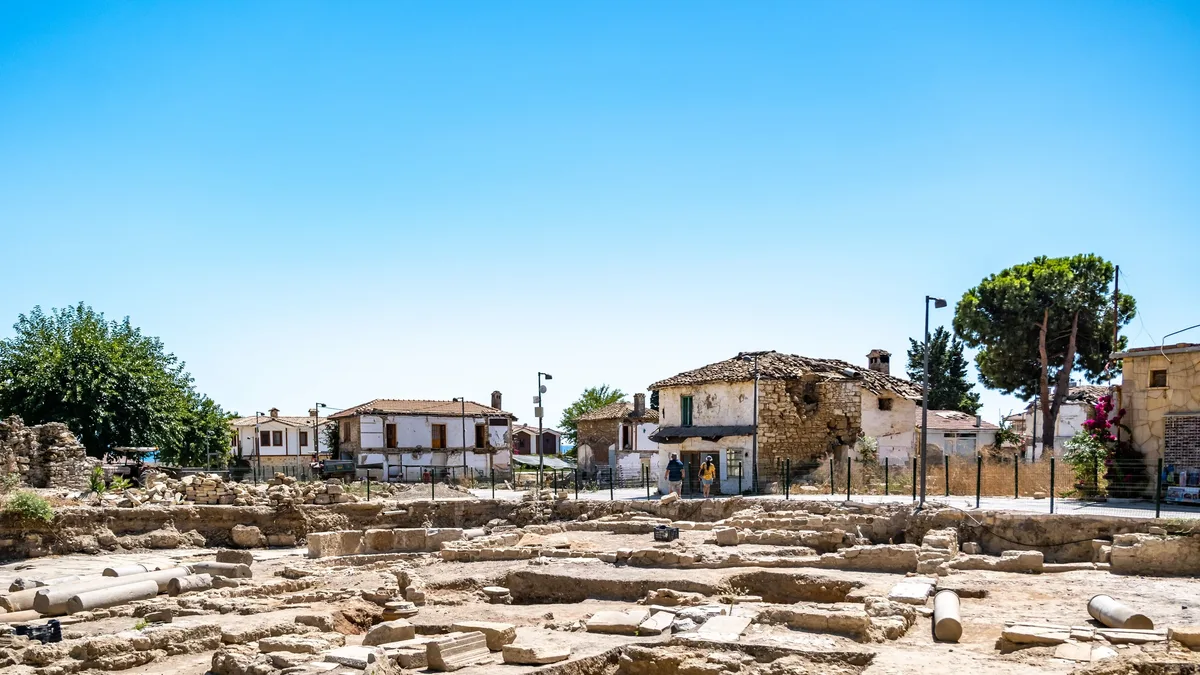
Archaeologists have found the first physical evidence of the Celtic fort of Lutetia, sacked by Julius Caesar in 52 B.C., beneath a Paris hospital.

High-resolution laser scanning at the Kition Kathari temple in Cyprus has revealed 23 previously unknown ship carvings on its walls, dating from the Late

A 3,400-year-old cuneiform fragment from the Treaty of Kadesh, the world's oldest known peace treaty, has been unearthed at the Hittite capital of

Mysterious trenches scoring Australia's Nullarbor Plain are surface scars from the collapse of massive Oligocene and Miocene-era cave systems, new research
The site, the dig season and what the material culture actually shows. Regions & periods and Finds & material organise the record, Methods covers excavation and dating, Ethics & heritage covers repatriation and looting, and Fieldwork & careers covers working in the discipline.
Careful enough to keep the claim with the claimant. A dating result or an identification is attributed to the excavation team or journal that published it, and where specialists dispute it the dispute is reported rather than resolved.
From journals, university and museum announcements, heritage agencies and named publications, credited and linked in each piece. Nothing here is a field report of our own.
No further than the source did. Unprotected sites attract looting, so pieces stay with the level of detail the excavators chose to make public.
They are written with automated assistance from the source material and published without a personal byline, crediting the source publication instead. Nobody here is presented as an archaeologist.
The Corrections page asks for the article address and the specific claim you believe is wrong. Corrections are made on the article with a dated note at the foot, and substantive ones are listed there.