Paranthropus robustus evolved stronger chewing as Homo erectus emerged earlier
New fossils from Drimolen Cave show Paranthropus robustus developed larger teeth and chewing muscles over 200,000 years.
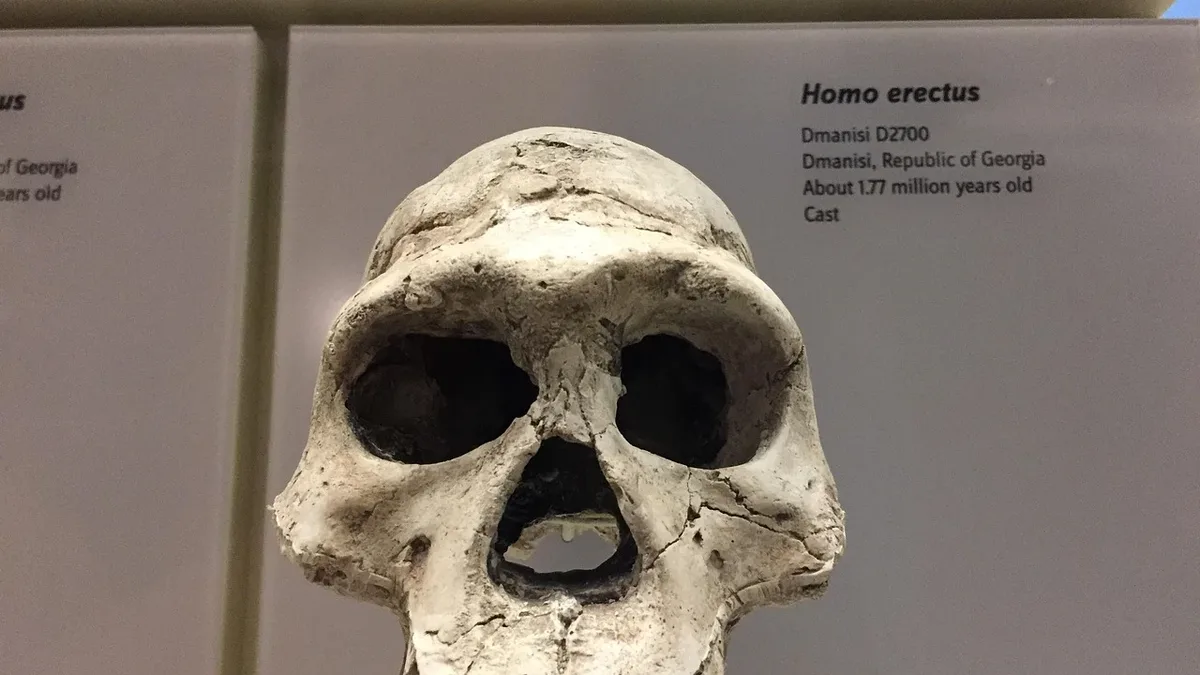
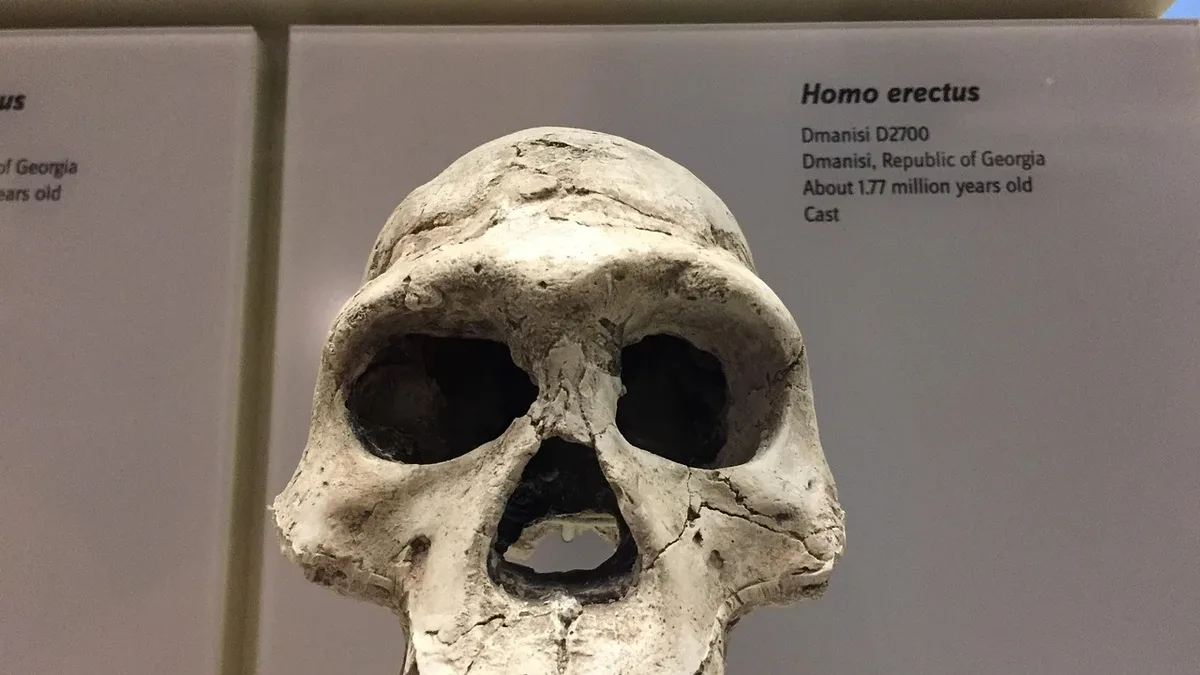
An adult Homo erectus skull fragment from Drimolen Cave is dated to about 2 million years ago. This fossil, designated DNH 127, is roughly 200,000 years older than other known adult Homo erectus fossils, such as those from Dmanisi, Georgia, which date to about 1.8 million years ago. The find provides further confirmation that Homo erectus first appeared in southern Africa around 2 million years ago. It follows the earlier discovery of a child's Homo erectus fossil, DNH 134, at the same site. Among the 18 newly described hominin fossils from Drimolen Main Quarry in South Africa's Cradle of Humankind, this is the first adult Homo erectus identified there.
Paranthropus robustus underwent microevolutionary change
Researchers compared Paranthropus robustus fossils from 2-million-year-old Drimolen Cave with those from the 1.8-million-year-old Swartkrans cave. Over this 200,000-year period, Paranthropus robustus developed larger teeth and stronger chewing muscles. The change is linked to food processing, with the species developing very large molar teeth. Lead researcher Dr. Jesse Martin compared Paranthropus robustus teeth and chewing muscles to a mortar and pestle. The fossils provide an unusual opportunity to study microevolutionary changes in human ancestors.
The Drimolen site reveals a complex hominin landscape
The rich fossil deposit at Drimolen Main Quarry allowed for detailed study. At the site 2 million years ago, Paranthropus robustus vastly outnumbered Homo erectus by more than ten to one. The 18 previously unpublished hominin fossils were attributed to both species. Dr. Jesse Martin said: "These two human species shared the same landscape and are both preserved in Drimolen cave." The large number of fossils enabled examination of smaller evolutionary shifts.
Research confirms subspecies distinction and evolutionary divergence
The distinctiveness of the Drimolen Paranthropus robustus population supports the proposed subspecies name Paranthropus robustus ukusa. The fossils described support its formal recognition based on cranial and mandibular remains. Meanwhile, Homo erectus was evolving larger brains and smaller molar teeth, possibly linked to increased meat consumption. Paranthropus robustus, in contrast, retained a brain only slightly larger than that of chimpanzees. Dr. Jesse Martin noted: "Homo erectus is the first species of hominin that researchers broadly agree fits within our own genus Homo and is likely directly ancestral to us."
Scientific collaboration underpins the findings
The research was conducted by scientists from La Trobe University's Palaeoscience Labs, the University of the Witwatersrand's Evolutionary Studies Institute, and colleagues in the United States. Their findings were published in the journal Annals of Human Biology. The Drimolen Main Quarry was discovered in 1992 and excavated through 2019. The fossils support formal recognition of Paranthropus robustus ukusa as a distinct subspecies based on cranial and mandibular remains from Drimolen Main Quarry.