Hittite Epidemic Tablets Uncovered at Kayalıpınar
A 2026 excavation at Kayalıpınar in central Turkey has uncovered the largest Hittite-language archive of the 21st century, with 131 new tablets detailing a royal epidemic and military pleas from 3,400 years ago.
Archaeologists have uncovered a major Hittite royal archive of cuneiform tablets at Kayalıpınar, identified as the ancient city of Samuha. This year's excavation unearthed 131 cuneiform tablets and fragments. Last year's dig recovered 53. The discoveries more than triple the number of texts from previous seasons, bringing the royal archive's total to 184 pieces.
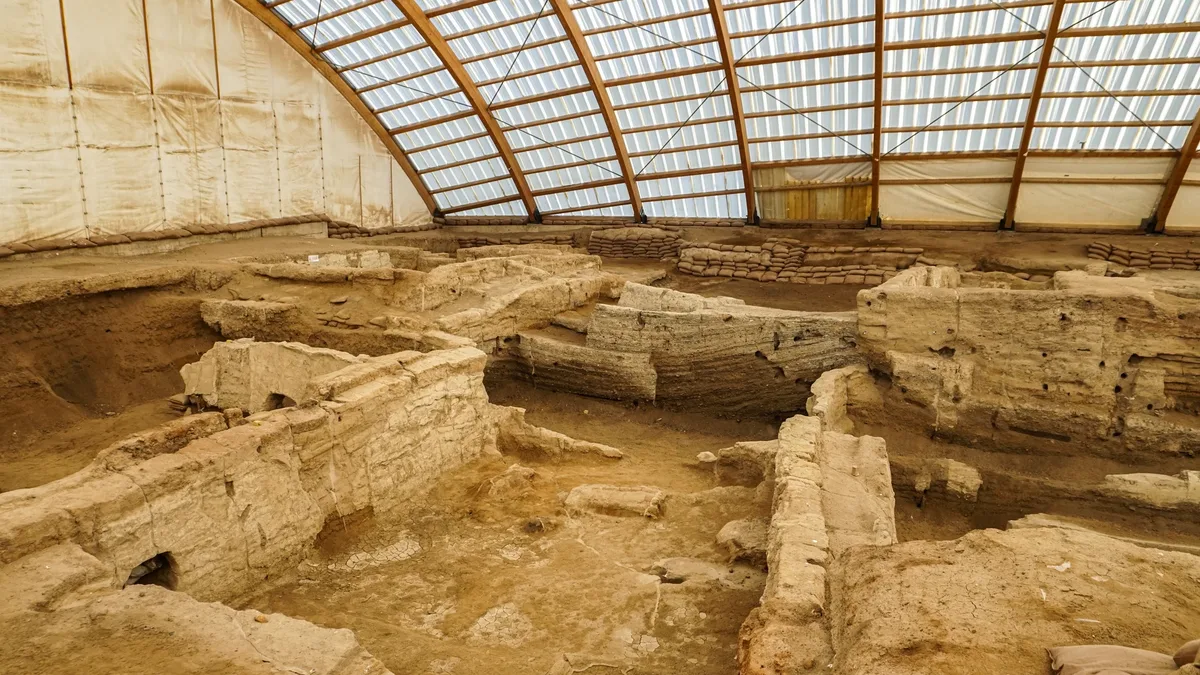
Kayalıpınar is located in Turkey’s Sivas province on the Anatolian plateau. Ancient texts confirm the site as Šamuḫa, a base of operations during the 14th century BC. Modern excavations began in 2005. Since 2021, the dig has been led by archaeologist Çiğdem Maner of Koç University, with permission from Turkey’s Ministry of Culture and Tourism.
Contents reveal epidemic and royal health concerns
The archive contains detailed records of a high-fever epidemic affecting infants and royal children, including the illness and death of a baby princess, monitored through divination rituals. The records date to the reign of King Tudhaliya II and are written in Hittite and Hurrian. One tablet records the journeys of bird diviners who left Samuha, logging their routes, stops, and observations in a diary-like format.
The health of young princes, princesses, and children of high-ranking officials was a major focus. Because illness was seen as divine will, religious leaders performed rituals to monitor their physical health. One text tells of a fever epidemic that struck the king's infant daughter; she was still nursing when she became ill and died. A third tablet, sent to the king by a diviner, states the princess fell ill in a city called Ziulila. Another tablet records her death and describes her funeral ritual.
The documents provide new material for studying Hittite religious practices, language development, and scribal culture. They cover affairs of state, war, rituals, and royal family life.
Military correspondence shows political role
Letters from Hittite generals in western Anatolia reveal urgent pleas for reinforcements, confirming Samuha’s role as a royal seat from which the king directed state affairs during instability. Samuha was a royal stronghold for King Tudhaliya during times of military and political upheaval. It served as a major administrative and religious center and, during periods of instability, became a royal residence.
A letter from generals appealed to the king for reinforcements in men, horses and chariots to fend off enemy forces. The generals' warnings are dire. They plead that without an infusion of strength, the army would be destroyed by the enemy. They have the temerity to disclaim all responsibility for any upcoming failures if the reinforcements don't come. The text confirms the king was at Samuha when the letter arrived. His successor Suppiluliuma I later used Samuha as a launching pad for campaigns that expanded the empire.
Cultural and religious context of Šamuḫa
The site’s association with the goddess Sauska and its long-standing religious significance are reflected in the texts. Šamuḫa housed a temple dedicated to the Night Goddess, a version of Ishtar. The Night Goddess cult is said to have arrived from Cilicia during Tudhaliya II’s reign, though some credit Tudhaliya I. King Muršili II later appointed his son Hattusili III as priest of 'Ishtar of Šamuḫa'. Hattusili III went on to sign the peace treaty with Ramesses II between the Hittites and Egypt.
The Kaska, mountain peoples from the north, were raiding the Hittite heartland and capital Hattusa during this period. In 1976, historian René Lebrun described Šamuḫa as the religious hub of the Hittite Empire.
Ongoing research and future prospects
Excavations since 2005 aim to expand understanding of the site. The 2025 excavation team included 23 specialists from Turkish and foreign institutions. That season yielded tablets and seals recording divination questions about the futures of princes and princesses, described as new for Kayalıpınar by Maner. The excavation has also documented older occupation, including Paleolithic and Neolithic stone tools.
Minister Mehmet Nuri Ersoy announced the discovery. The ministry states the Kayalıpınar archive is the most extensive Hittite-language archive found in the 21st century. Maner has stated the long-term aim is to open the site to visitors.
The Hittites are also known for the Plague Prayers of Muršili II, written decades later, which blamed contagion on Egyptian prisoners. No published evidence connects the two epidemics, and the ministry did not identify the disease involved in the newly found records.