
African Diaspora Archaeology
Origin and history
African Diaspora Archaeology is an academic discipline that originated in the United States during the late 20th century. Its development is directly tied to the rise of processual archaeology and, subsequently, post-processual critiques that emphasized the narratives of marginalized peoples. The field emerged in earnest during the 1970s and 1980s as a response to the long-standing neglect of African and African-descendant experiences in mainstream historical archaeology. Pioneering work often focused on plantation sites in the American Southeast and the Caribbean, where archaeologists began intentionally seeking out slave quarters and related spaces. This scholarly movement paralleled broader social and academic pushes for social history and African American studies. Its foundational principles were solidified through key conferences and seminal publications throughout the 1990s, establishing it as a distinct and vital subfield.
What it is for
African Diaspora Archaeology serves to reconstruct the daily lives, cultural practices, and resilience strategies of people of African descent displaced by the transatlantic slave trade and its aftermath. It specifically aims to counter the dehumanizing archival silence by generating material evidence of lived experience. The discipline is used to trace cultural continuities and transformations, linking material assemblages in the Americas to specific regions and traditions in Africa. It provides crucial data for understanding the formation of creolized identities and the active creation of new cultures under conditions of extreme oppression. Furthermore, it is employed to investigate acts of resistance, from subtle everyday actions to organized rebellions, as evidenced in the material record. The field also serves communities today by providing tangible connections to ancestral heritage and informing public history at museums and historical sites.
Overview
African Diaspora Archaeology is a subfield of historical archaeology that analyzes the physical remains associated with communities of the African diaspora from the 15th century onward. It systematically studies sites including slave quarters, maroon settlements, free Black communities, and post-emancipation homesteads. The material culture examined ranges from architectural footprints and landscape modifications to ceramics, tools, personal adornments, and food remains. A central methodological tenet is the comparative analysis of these materials across the Atlantic World, from West and Central Africa to the Americas and Europe. The field employs interdisciplinary approaches, drawing from anthropology, history, folklore, and bioarchaeology. Its findings consistently challenge simplistic narratives by revealing the complexity of cultural retention, innovation, and survival within diasporic communities.
What to know
Researchers in this field frequently analyze colonoware, a low-fired earthenware often produced by enslaved potters that blends African, European, and Indigenous technical traditions. The spatial organization of settlements, such as the arrangement of cabins relative to plantation cores or in independent maroon villages, is a critical data source for understanding social structure and autonomy. Subfloor pits found in slave quarters are a signature feature, interpreted variously as root cellars, personal storage spaces, or ritual deposits, highlighting the multifunctional use of constrained space. Faunal and botanical analyses of food remains often reveal the maintenance of West African dietary preferences and the cultivation of private provision grounds. The field grapples with the ethical responsibilities of excavating sites of trauma and must prioritize community collaboration and descendant engagement. It also contends with the fragmentary nature of the record, as many material items used by enslaved people were perishable or repurposed from discarded objects.
Common questions
A common question is how archaeologists distinguish between artifacts used by enslaved individuals and those used by plantation owners, which is addressed through precise provenience linking objects to specific dwelling sites and through the identification of artifact types uncommon in elite contexts. People often ask what the most significant find has been, though no single artifact holds that title; rather, the cumulative evidence of sophisticated craft production, trade networks, and spiritual practices fundamentally revised historical understanding. Many inquire if DNA analysis is used, which it is, primarily in bioarchaeological studies of skeletal remains to determine ancestry, health, and kinship patterns within burial grounds. A frequent question is whether all sites are located on plantations, to which the answer is no, as important work focuses on free Black communities, urban settings, and post-emancipation sites. People also ask how the field deals with the absence of written records from the enslaved, which is the core impetus for the discipline, using material culture as an alternative text. Finally, individuals often question who owns the artifacts, a complex issue leading to ongoing discussions about curation, repatriation, and community stewardship.
Pros and cons
A significant pro of African Diaspora Archaeology is its capacity to give voice to historically silenced populations and produce empirically grounded narratives that challenge biased historical accounts. The field fosters meaningful collaboration with descendant communities, potentially leading to more ethical and relevant research outcomes. It also generates a highly detailed, tangible record of daily life that written documents often overlook. A primary con is the inherent emotional and ethical difficulty of excavating sites associated with extreme human suffering and oppression, which can cause distress for researchers and communities. The archaeological record is frequently sparse and fragmented, as enslaved people had limited access to durable goods, leading to interpretive challenges. The field can sometimes struggle with over-interpreting artifacts, where a single object is laden with multiple symbolic meanings that are difficult to verify. Some projects have faced criticism for proceeding without full descendant community involvement, perpetuating a colonial dynamic. Furthermore, the necessary specialization in a wide range of material types and comparative databases can make entry into the field daunting for new researchers.
Who it suits
This field suits archaeologists with a strong interest in social justice, historical inequality, and providing counter-narratives to traditional history. It is well-suited to researchers who are comfortable with interdisciplinary work and integrating data from documents, oral histories, and material culture. It appeals to those who value collaborative, community-based research methodologies and are prepared for the long-term ethical engagements this requires. The discipline suits individuals with a particular focus on ceramic analysis, faunal remains, or spatial analysis, as these are core evidentiary areas. It is also appropriate for scholars interested in the broader theoretical questions of cultural change, identity formation, and resistance. Crucially, it suits those who can navigate the emotional weight of working with sites of trauma while maintaining scholarly rigor and respect.
Latest African Diaspora Archaeology news
Latest reporting
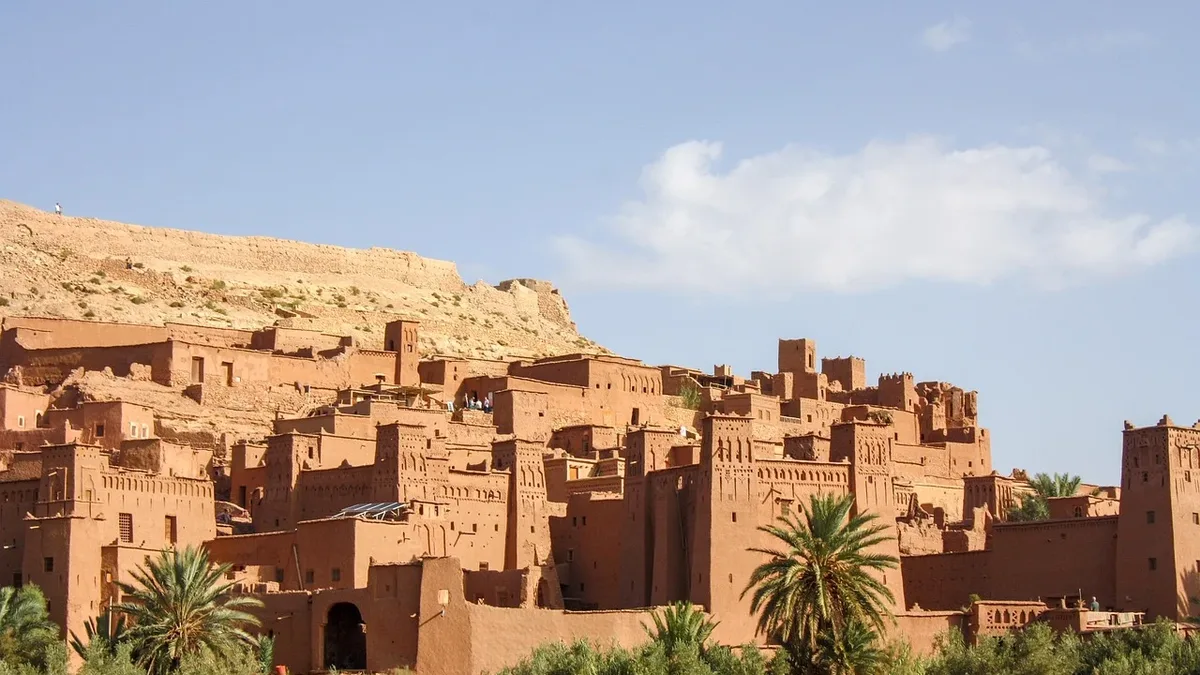
Oldest North African Defensive Complex Found in Morocco
Archaeologists have dated a Moroccan ditch-and-rampart structure to 3,500-4,000 years old, making it the oldest known defensive work in Africa outside
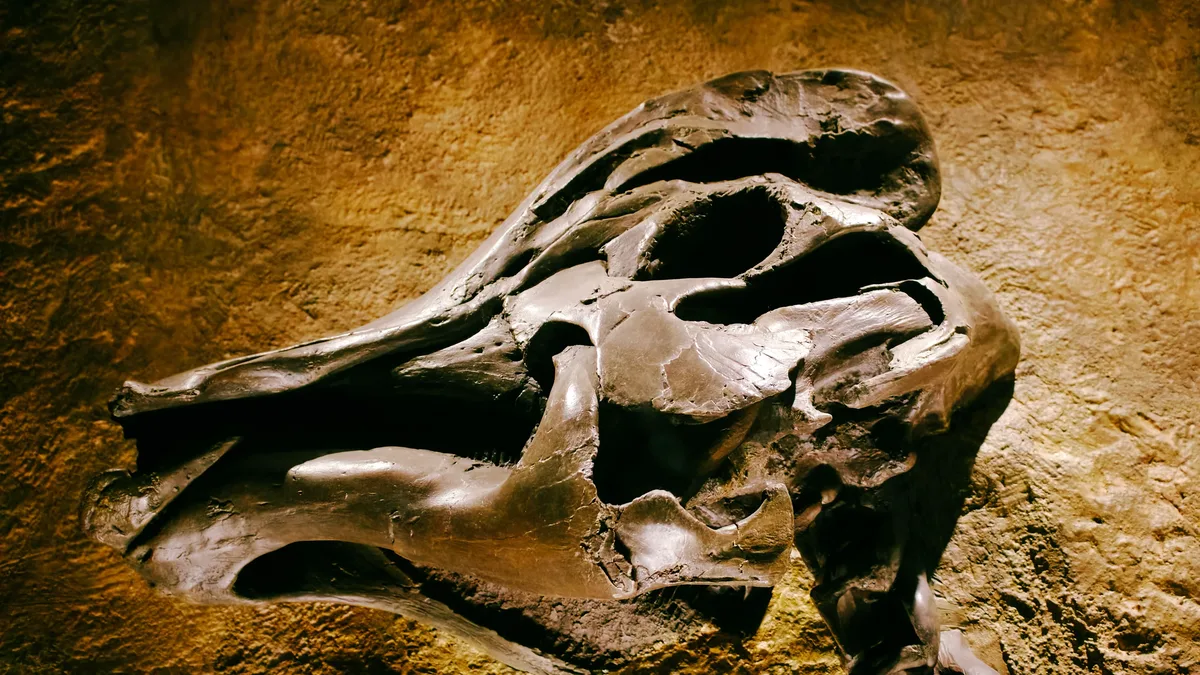
Dinodontosaurus isiyavamanda fossil reshapes
A 240-million-year-old dicynodont fossil from Tanzania, stored in London for over 60 years, is a new species that links African and South American...
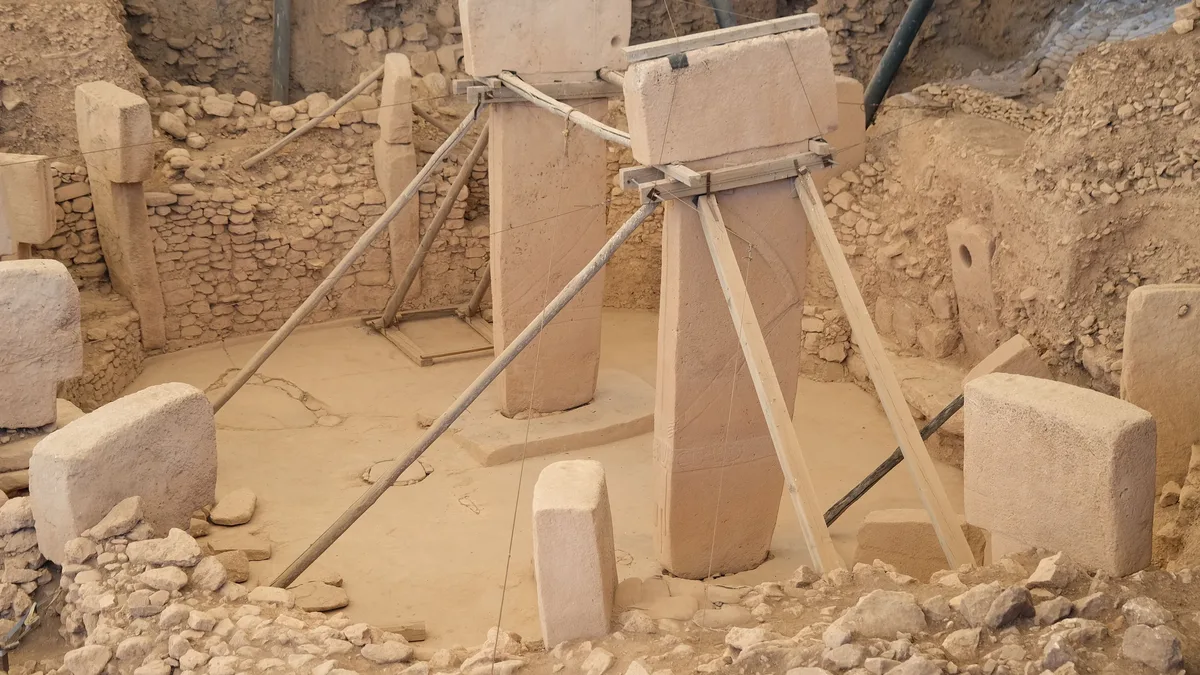
Ancient Skeletons Challenge Assumptions About Syphilis Origins
A new study suggests that congenital transmission of treponemal diseases may not be exclusive to venereal syphilis, challenging a long-held...