Lead-based ink enables reading of Herculaneum scroll
Researchers have successfully read text on a modern, charred scroll replica using X-rays and custom software, a method that could be applied to the
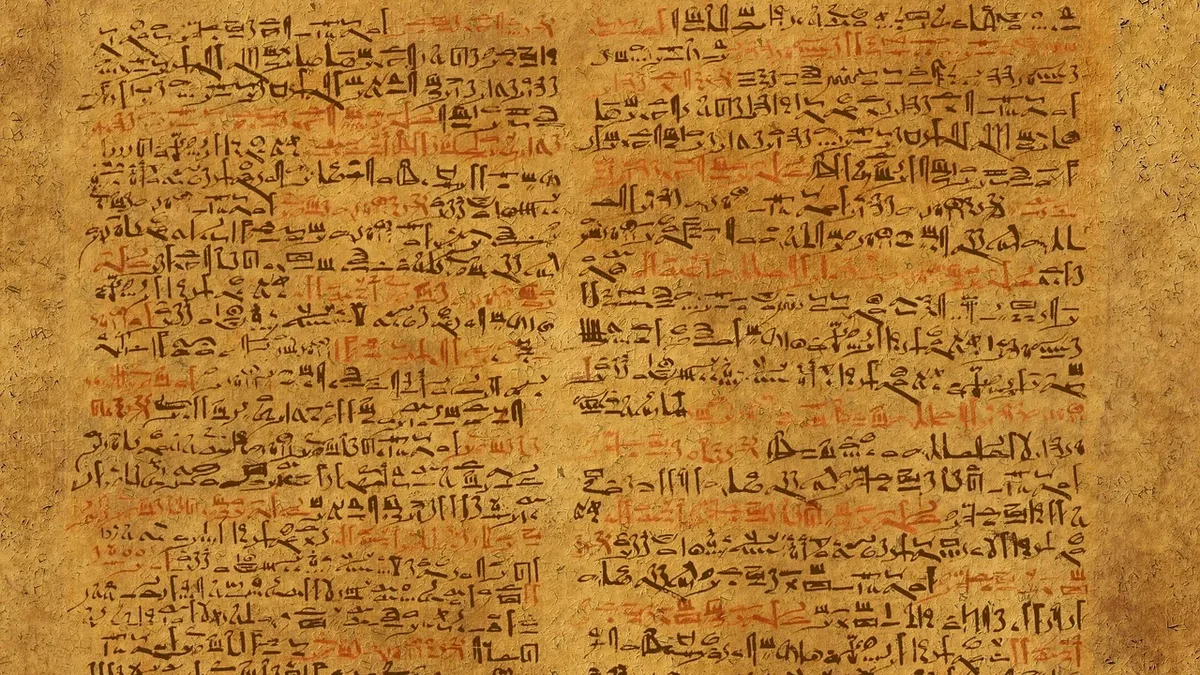
A new technique using X-ray technologies and custom software has allowed researchers to read text written on a modern scroll designed to mimic those carbonized at Herculaneum in A.D. 79. The method hinges on detecting the lead that was present in some of the ink used on the ancient papyri.
Douglas Seiler, a research affiliate of the University of California, Berkeley and a co-author of the study, remarked on the potential. "It's amazing what you can get electrons to do," he said in a statement. The team's findings suggest scanning the priceless Herculaneum scrolls for leaded ink first, then applying this new method to read more of the long-lost texts.
The challenge of carbonized scrolls
The eruption of Mount Vesuvius buried Herculaneum under 70 feet of volcanic rock and ash. Alongside the human casualties, hundreds of papyrus scrolls housed in a villa, likely owned by Julius Caesar's father-in-law, were carbonized. This process essentially turned them into charcoal, trapping writings inside brittle rolls that are nearly impossible to unroll physically without causing destruction. While other researchers have digitally opened and decoded some scrolls in recent years, revealing writings of ancient philosophers like Epicureans and Stoics and even details on Plato's burial place, X-ray analysis has been difficult. This is because both the papyrus and the ink are often carbon-based, making them indistinguishable to the scans.
A model experiment with leaded ink
Knowing that some of the ancient inks contained lead, Seiler and his colleagues created a model. They made a fake papyrus scroll with lead-based ink and then carbonized it to match the conditions of the Herculaneum finds. They first used X-ray fluorescence to confirm the presence of lead in the ink. Following this, they employed X-ray tomography to create a 3D image of the scroll and used custom-made software to reconstruct the text.
The results showed they could read the lead-based ink writings, even with very small amounts of lead. The method successfully detected the difference between the text and the papyrus background, though not every word could be deciphered. The researchers wrote that this technique could give ancient writings a "higher probability of being successfully read."
Implications for future research
This approach provides a low-risk way to develop and refine text-detection algorithms. "This provides a low-risk method to develop algorithms without endangering the priceless artifacts," the study authors noted. By testing methods on accurate replicas first, scholars can improve their techniques before applying them to the fragile originals. The ultimate goal is to virtually unroll and read more of the approximately 2,000 scrolls discovered at the Herculaneum villa in the 1750s, potentially recovering lost works of ancient philosophy and literature. The study demonstrates a clear path forward by focusing initial scans on identifying which scrolls contain the tell-tale signature of lead.