Roman-era building and metalwork found in Swiss dig
Archaeologists in Ligornetto, Switzerland, have uncovered a 2nd-3rd century AD Roman building, a road, and evidence of metalworking.
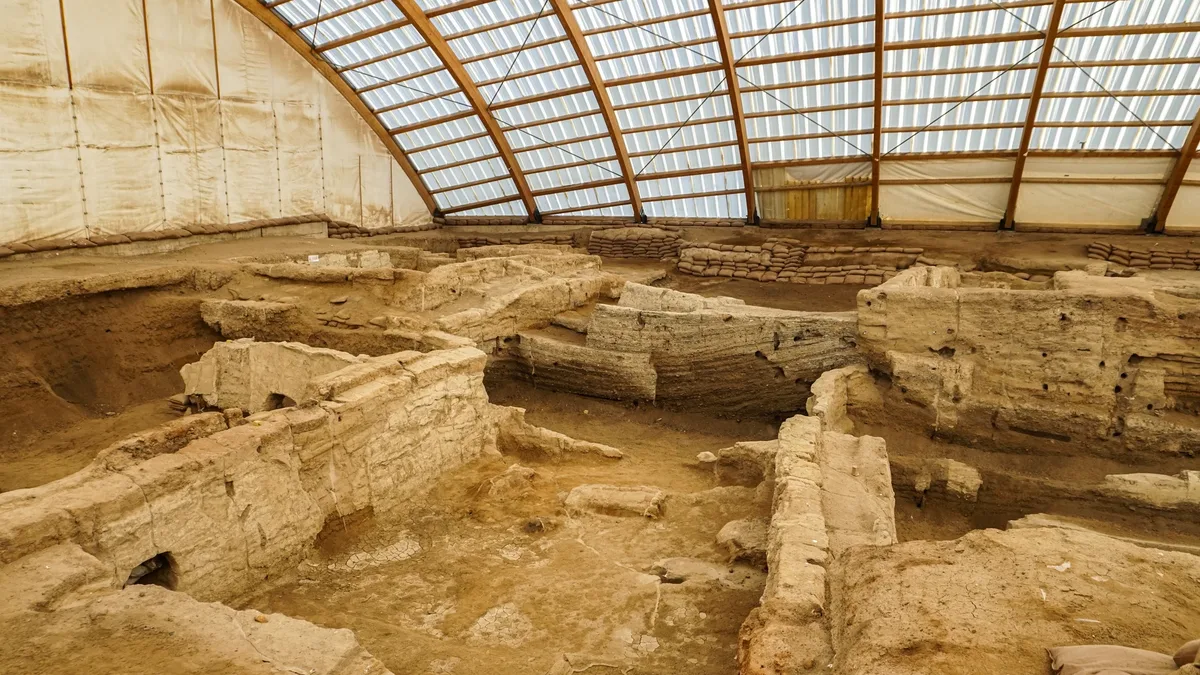
Archaeologists have discovered the remains of a previously unknown Roman structure in Ligornetto, in the Swiss canton of Ticino. The dig, which began in June ahead of residential construction, revealed a masonry building from the 2nd-3rd century AD, an associated road, and significant evidence of metalworking activity.
The excavation covered about 5,380 square feet. The oldest remains found were from a wooden structure dating to the final decades of the 1st century BC. This was later demolished, the ground leveled, and a new masonry building erected in the 2nd century AD.
Structure and layout
The unearthed portion of the Roman building measures 26 feet wide and 36 feet long. It contained at least six rooms. A portico roughly 10 feet wide was built on the southern side, overlooking a small road.
The structure underwent further modifications between the 2nd and 3rd centuries. Builders added interior walls and constructed a platform from recycled bricks. The building's use ended in the 3rd century when it was destroyed by fire. Charcoal and the collapsed roof were left in place, indicating no attempt was made to rebuild or salvage materials after the blaze.
Evidence of metalworking
The precise function of the building remains uncertain. Archaeologists note the absence of fireplaces and other features typical of domestic life, ruling out a simple residence. A key discovery points to industrial use.
Excavators found an "exceptional abundance" of ferrous slag and bronze-working waste in layers dating to the 2nd and 3rd centuries AD. These finds strongly suggest significant metalworking activity occurred nearby. A finely crafted bronze bird fibula, likely depicting a peacock and dating to the second or third century AD, was also recovered from the site.
The surrounding area
Behind the building, a large strip of land appears to have been used for artisanal and agricultural work. Archaeologists discovered postholes, which indicate lightweight structures or temporary roofs once stood there. A small path made of reused bricks was also found, likely used for access and to mark the plot's boundary.
The southern portico of the building faced a small road. Evidence shows occupation in the Ligornetto area stretches back to the beginning of the 2nd century BC and continued uninterrupted through the 10th century. Historical inscriptions indicate that during the Roman era, important families from nearby Milan and Como lived in the region. A luxury villa from the period was previously unearthed just half a mile from this new discovery.
More of the structure remains to be excavated. The findings so far provide a detailed snapshot of Roman-era industry and construction in southern Switzerland.