
Radiocarbon Dating
| Principle | Measures decay of carbon-14 |
|---|---|
| Time range | Up to about 50,000 years before present |
| Material dated | Organic material (e.g., bone, wood, charcoal, shell) |
| Output | A radiocarbon age with a statistical uncertainty |
| Calibration required | Yes, to convert to calendar years |
| First published | 1949 by Willard Libby |
| Original use | Determining the age of archaeological and geological samples |
Origin and history
Radiocarbon dating was developed in the late 1940s in the United States. The method was created by physicist Willard F. Libby and his team at the University of Chicago. Its foundational principle, that a radioactive isotope of carbon is created in the atmosphere, was established in that decade. Libby's team published the first conclusive proof of the technique's accuracy by dating known-age samples, such as ancient Egyptian artifacts. The method rapidly became a cornerstone of archaeological and geological science in the 1950s. For this work, Willard F. Libby was awarded the Nobel Prize in Chemistry in 1960.
What it is for
Radiocarbon dating is used to determine the age of organic materials by measuring the decay of the radioactive carbon-14 isotope. Its primary application is in archaeology, where it dates artifacts, bones, charcoal, and other materials from the last 50,000 to 60,000 years. In geology and paleoclimatology, it is used to date peat deposits, ocean sediments, and other organic records to understand past environmental changes. The method is crucial for establishing chronologies at excavation sites, allowing archaeologists to sequence occupation layers and cultural phases. It provides an absolute calendar timescale, unlike relative dating methods that only sequence events. This dating is also employed in forensic science and authenticity verification of historical artifacts.
Pros and cons
A major advantage is that it provides a numerical age estimate, creating an absolute chronological framework for sites and materials. The technique is widely applicable to a vast range of organic materials commonly found on archaeological sites. Continuous calibration against tree-ring and other records has improved its accuracy and extended its reliable range. A significant con is that it does not date the archaeological event itself but the death of the organic material, which can lead to the "old wood" problem where dated charcoal is older than the human activity. The method requires careful sample selection and context interpretation to avoid such anomalies. The common mistake is assuming the laboratory date is the direct date of site occupation without considering taphonomic processes. Researchers regret choosing it when contamination from later carbon sources, like rootlets or conservation chemicals, is not fully removed, yielding erroneous younger dates. The technique is also destructive, requiring the consumption of a portion of the sample.
Who it suits
This method suits archaeologists and paleoenvironmental researchers working with materials from the Holocene and late Pleistocene periods. It is ideal for projects that have well-contextualized, short-lived organic samples like seeds, nutshells, or annual plant remains, which provide the most precise event dates. Researchers with access to funding for laboratory analysis, as the procedure is specialized and costly, are its primary users. It suits projects that require building a robust, independent chronology, especially where typological sequences are unclear or disputed. Conservators and art historians also use it for authenticating organic components of artifacts and artworks. It does not suit those seeking to date materials older than approximately 60,000 years, as the remaining radiocarbon is too minuscule to measure reliably, nor those working with inorganic materials like stone or pottery.
Latest Radiocarbon Dating news
Latest reporting
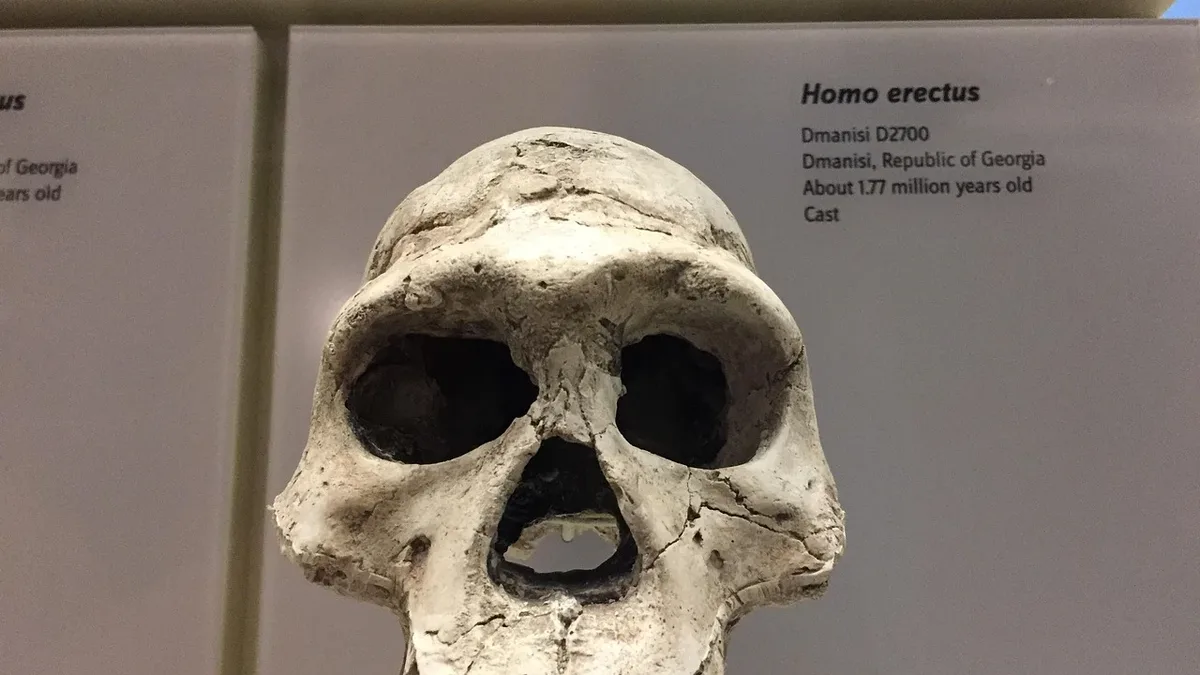
Bronze Age tombs at Cape Trafalgar reveal elite burial practices
Radiocarbon dating of two newly excavated megalithic tombs on Spain's Cape Trafalgar shows they were used for 200 years between 1875 and 1625 B.C...

Ake Maya settlement reveals post-collapse habitation
Archaeologists have documented 96 small structures at the Maya city of Ake, dating from A.D. 1100 to 1550, proving the site remained inhabited for...
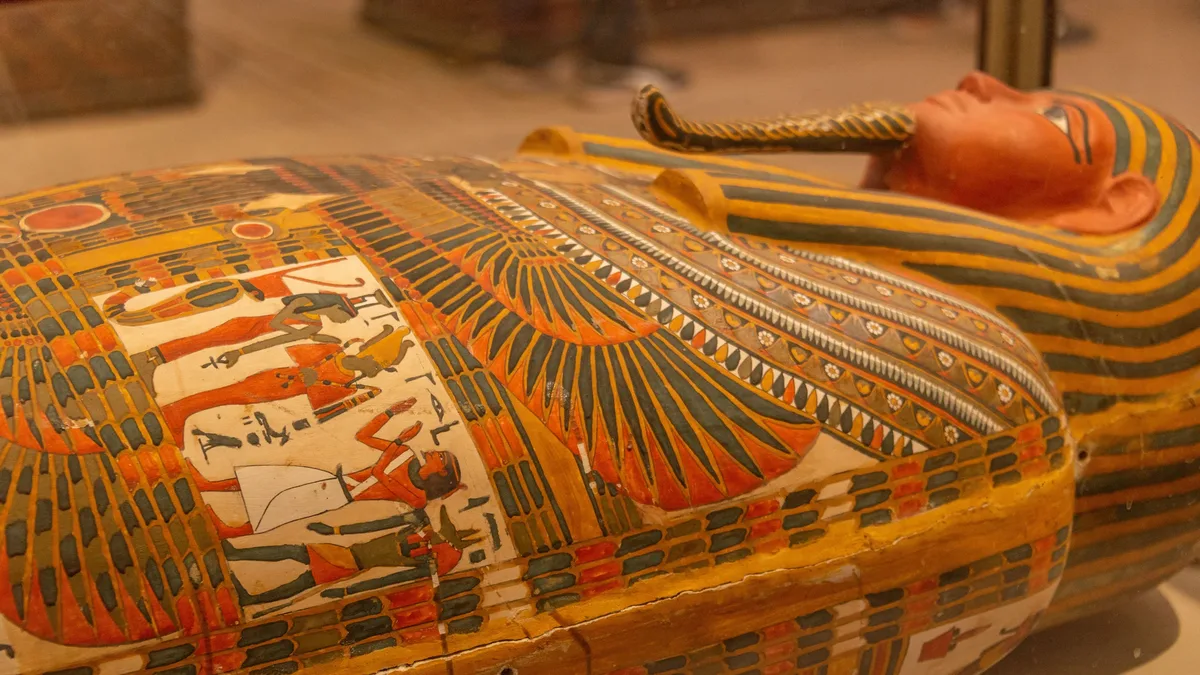
Silenus Sarcophagus Found in Attouda Necropolis
A rare cylindrical terracotta sarcophagus featuring a Silenus mask relief has been discovered in western Turkey, dating to the 1st-2nd century AD.
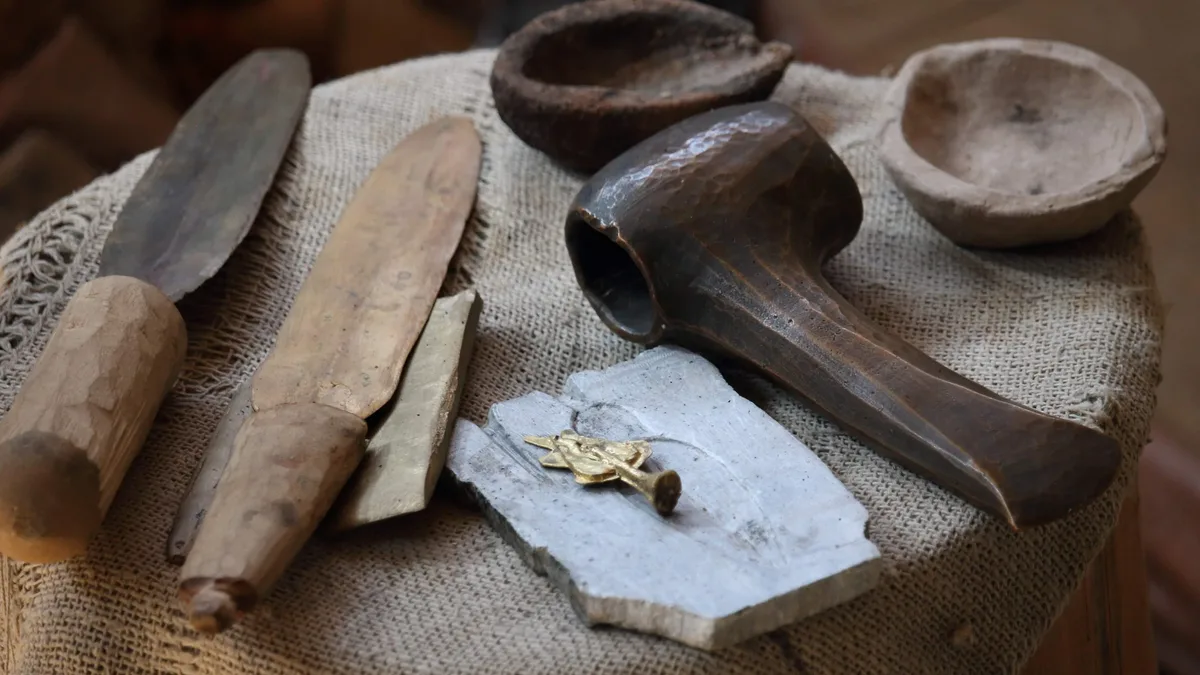
Neanderthals Crafted Sophisticated Wooden Tools at Abric Romaní
Thirteen impressions of wooden Neanderthal tools, including long spears and a club, were identified in travertine at the Abric Romaní rock shelter in...

Hadza and Tsimané Share Ancient Gut Microbiome Heritage
A deep genetic study reveals the hunter-gatherer Hadza and forager-farmer Tsimané share over 1,200 gut bacterial species, a core microbial heritage...
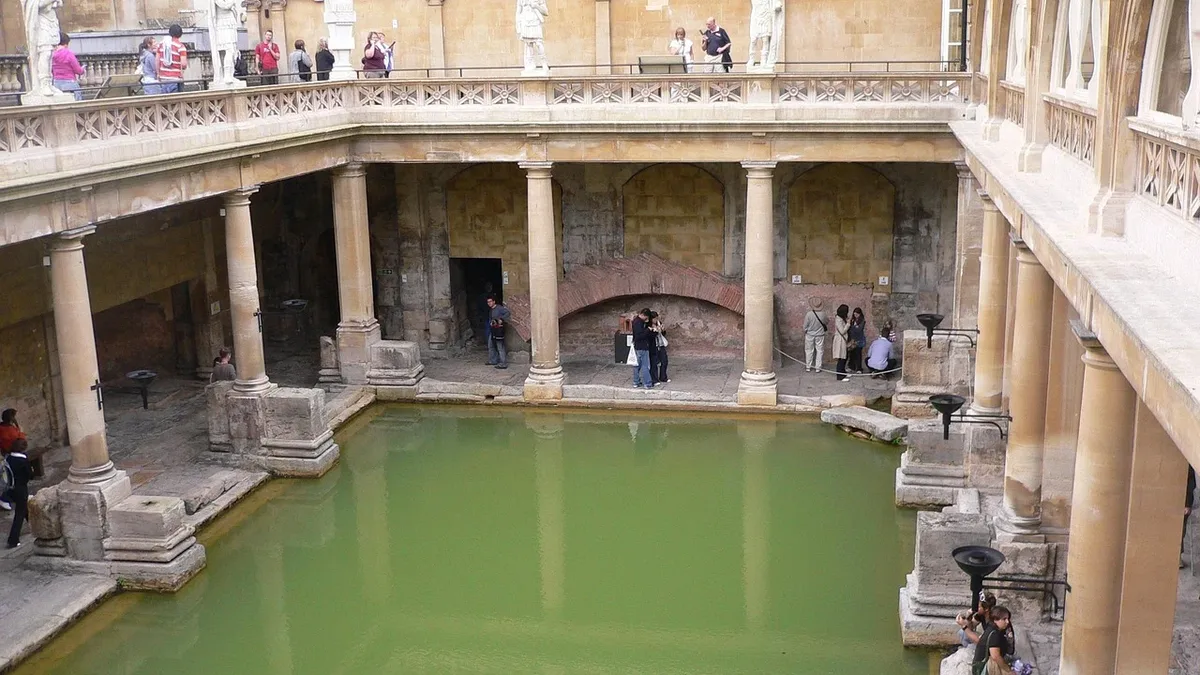
Ophel Ritual Bath Complex Reveals Second Temple Pilgrimage
Archaeologists have uncovered a monumental complex of three ritual baths and a large pool at Jerusalem's Ophel, dating to the late Second Temple...