Sheep Pox Virus Traced Through Medieval Manuscript DNA
Researchers from University College Dublin have used DNA from medieval parchment manuscripts to track the history of the sheep pox virus back more than
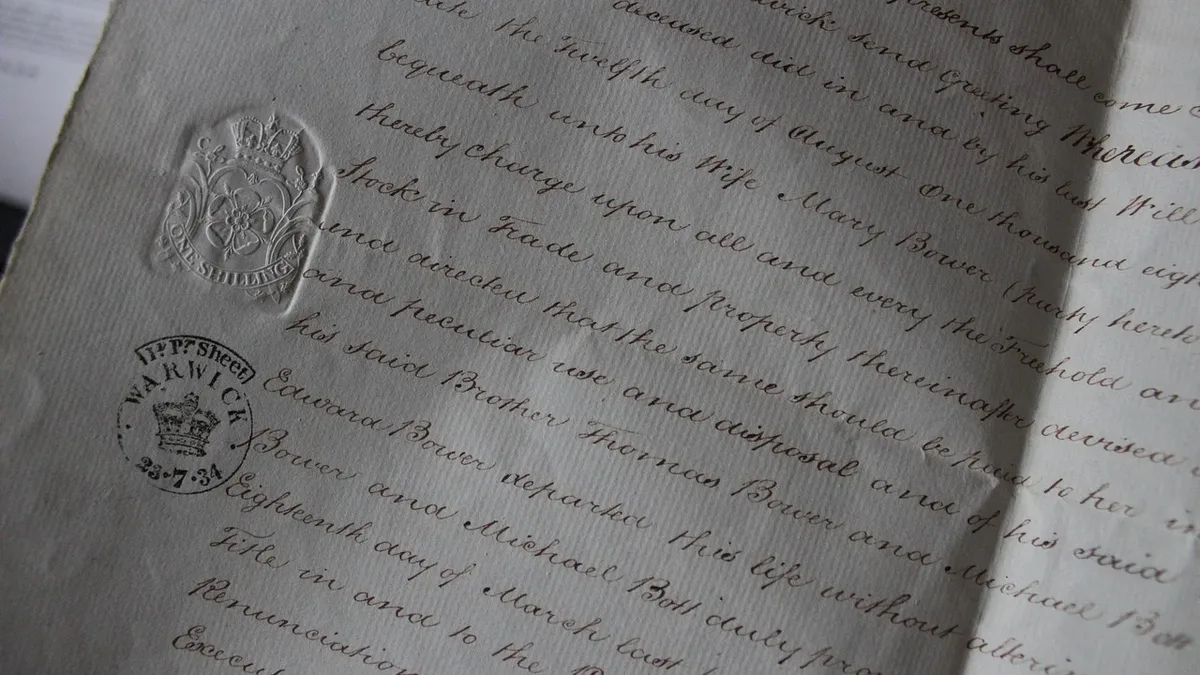
Researchers have traced the history of a deadly animal disease using an unexpected source: the pages of medieval manuscripts. A team from University College Dublin (UCD) extracted DNA from historic parchment to track the sheep pox virus over millennia.
Sheep pox is a highly contagious disease. It causes high mortality rates in flocks and can damage wool while reducing yields of milk and meat.
Pathogen DNA Preserved in Parchment
Louis L’Hôte of UCD stated that the recovery of ancient pathogen DNA has transformed the understanding of past infectious diseases. "It is possible that archives and libraries around the world also contain the genetic traces of disease outbreaks in animals in the past," he continued. The research demonstrates that parchment, made from animal skins, can preserve the genetic material of the pathogens that infected those animals.
The team did not rely on manuscripts alone. They also extracted samples from ancient sheep teeth to build a genetic timeline.
Key Manuscripts in the Study
The virus was detected in several significant medieval documents. One was the York Gospels, a 1,000-year-old illuminated manuscript. Another was the Corpus Glossary, an early English dictionary. The discovery in these texts provided direct genetic evidence of the virus circulating in medieval sheep populations.
Interestingly, the sheep pox virus was also found in parchment made from the skins of calves and goats. Louis L’Hôte explained this could be due to cross-species transmission of the virus. Alternatively, contamination might have occurred during the parchment-making process itself.
A Timeline Spanning Millennia
By combining data from teeth and parchment, the researchers tracked the sheep pox virus back more than 3,700 years. This deep historical reach offers new insights into the long-term evolution and spread of the pathogen.
The study was published in the journal Science Advances. The research points to a vast, untapped archive. Libraries and collections worldwide may hold similar genetic records of past animal diseases, waiting to be read.
This methodological breakthrough opens a new chapter in archaeogenetics. Scientists can now interrogate cultural artifacts not only for their textual or artistic content, but for the biological histories locked within their very fabric.