Celtic silver coin hoard unearthed in Singen
Archaeologists in Germany have recovered a hoard of 11 rare Celtic silver coins, the largest such deposit from the period found in Thuringia.
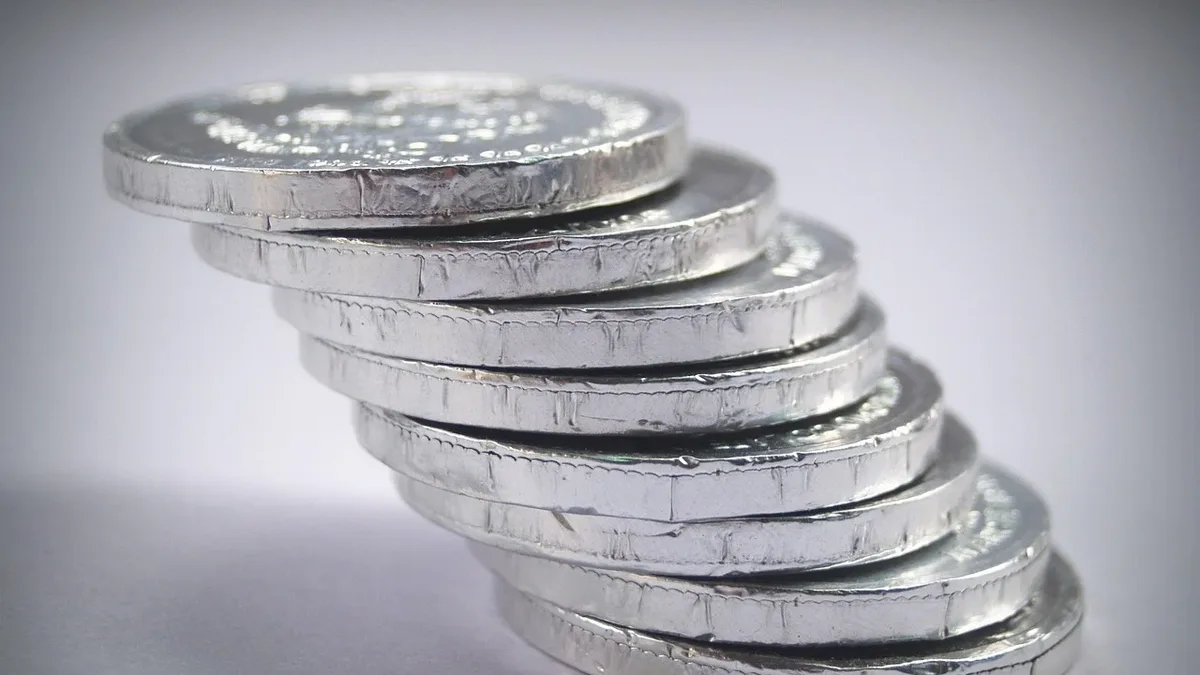
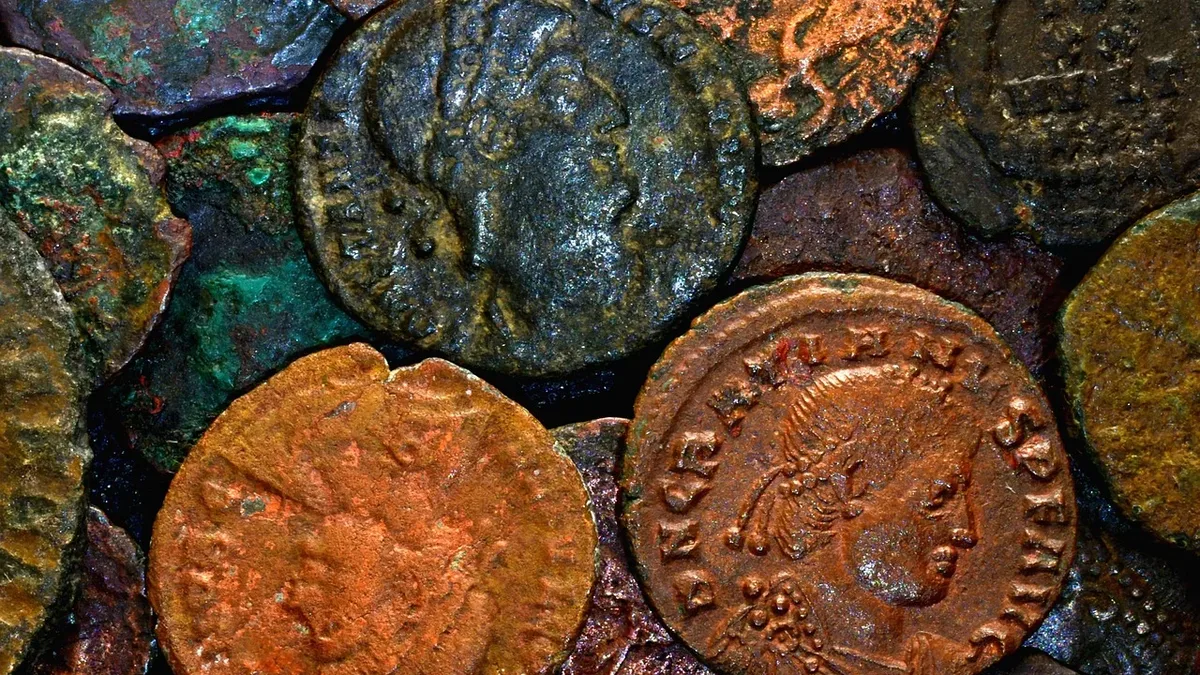
A hoard of eleven ancient Celtic silver coins has been discovered beneath a former sports field in Singen, central Germany. The coins are approximately 2,000 years old and represent the largest deposit of their kind ever found in the state of Thuringia.
Archaeologists from the Thuringian State Office for Heritage Management and Archaeology oversaw the investigation ahead of construction for a new fire station. Initial individual coins were found in July and August of last year. A targeted excavation last month then uncovered the remainder of the scattered deposit.
The Scattered Hoard
The excavation revealed that the eleven coins were a single deposit disturbed by centuries of agricultural activity. The original container, likely made from organic material like a pouch, has completely decayed. No pottery fragments were found. Ploughing had dragged the coins across an area measuring roughly 5.8 by 1.5 meters. Despite this dispersal, careful documentation allowed the team to reconstruct the coins' original relationship to each other.
Rare Silver Quinarii
All eleven coins are silver quinarii of the Prague type. These are exceptionally rare finds for the region. Only about 80 Prague-type quinarii are known to have been found in all of Thuringia. This single hoard, therefore, contains more than ten percent of the state's total known examples.
Numismatists believe these coins may have been produced locally in the Gotha region, northwest of the find site. The location of the hoard is strategically significant, situated between this suspected production area and a concentration of known Celtic settlements.
Mapping Iron Age Connections
The discovery is more than an isolated cache. According to the Thuringian State Office, it significantly expands understanding of regional connections during the Iron Age. The find site acts as a new point on the archaeological map, helping researchers trace links between production centers, settlements, and trade routes.
One key settlement was Steinsburg, a major Celtic center renowned for craft production. The Singen hoard's location suggests it may have been part of the economic network connecting such communities. The find helps illustrate how coins and goods moved through the landscape of ancient Thuringia. The excavation and analysis of the coins provide concrete evidence for these long-hypothesized connections.