Lismore monastery excavation reveals wealthy sixth-century community
Archaeologists have uncovered extensive evidence of a wealthy sixth-century monastery on Lismore, Scotland.
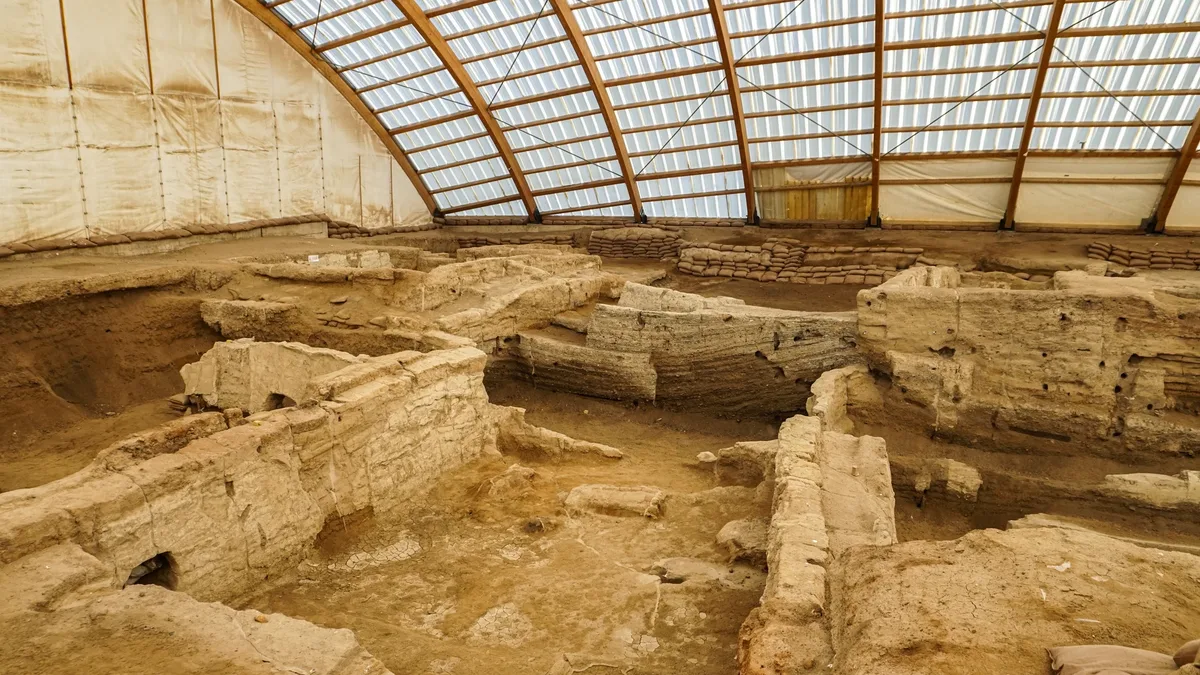
Archaeologists have revealed extensive evidence of a thriving early medieval monastery on Lismore, including burial grounds, craft workshops, and precious metalworking. The research team uncovered burials, craft workshops, early buildings, and signs of precious metal working, including molds and crucibles for producing high-quality jewelry. These finds indicate a wealthy community with strong artistic and technical skills.
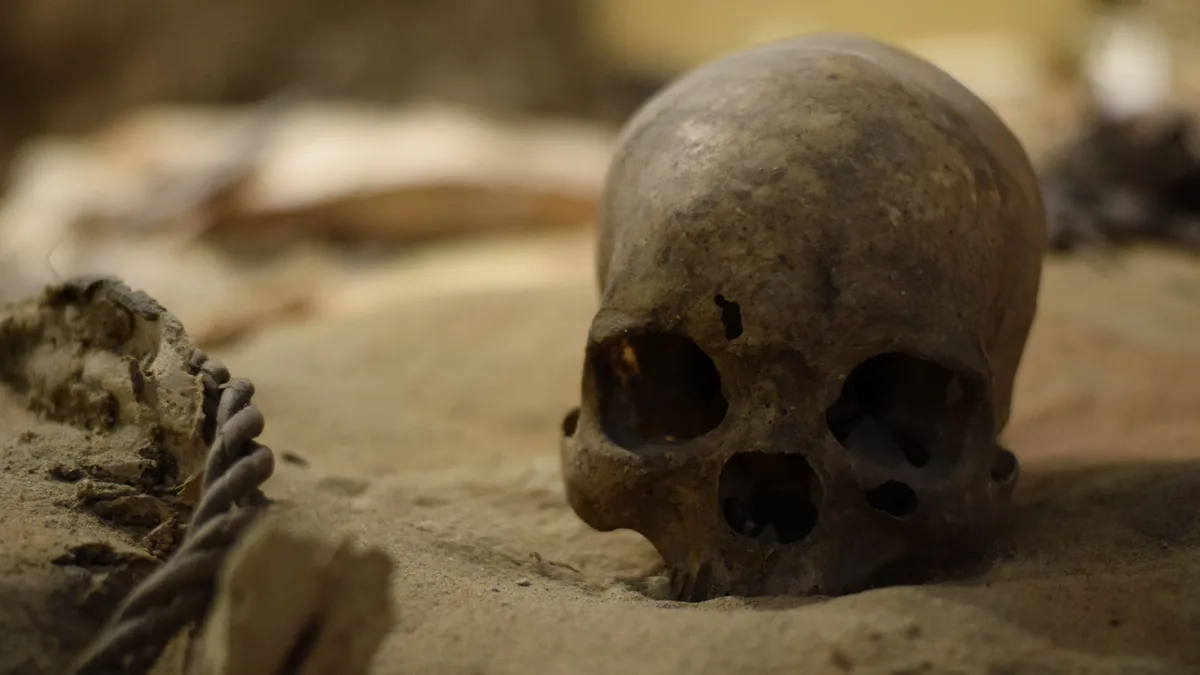
A community-led archaeology project found an early medieval cemetery and structures around a parish church on the island. Excavations revealed the region was once a centre of sophisticated craftwork of international importance. Discoveries included large burial grounds, early buildings, and areas associated with skilled craft production. Over 1,000 fragments of metalworking debris were found. Crucibles showed traces of gold and silver, indicating precious metal casting.
The findings revealed that Lios Mòr was much more than a small island church. It had considerable wealth and influence, comparable to some of the most important monastic sites across Britain and Ireland. Material culture and burial practices from the seventh to tenth centuries AD reflect a thriving monastic community with regional and possibly supra-regional influence. The presence of precious metalworking, motif pieces, and yew woodcraft suggests a centre of considerable wealth and artistic sophistication.
Lismore’s role in the early Christian world re-evaluated
The findings position Lios Mòr as a significant monastic centre in Dál Riata, comparable to Iona and Portmahomack, with regional and possibly wider influence. Gordon Noble of the University of Aberdeen stated the site was a thriving center of worship, craftsmanship, and learning, whose importance may have rivaled some of the best-known monasteries in early medieval Britain. Local tradition, place name evidence, and historical records indicated a monastery was built on the island in the sixth century A.D. By Saint Mo Luóc.
Iona, one of the oldest Christian centers in Western Europe, helped spread monasticism in Dál Riata, a Gaelic-speaking kingdom covering Argyll, most of the Hebrides, and part of County Antrim in Northern Ireland. Lios Mòr was part of this monastic network. Between CE 400 and 1000, churches shaped religious life, learning, and the formation of new kingdoms in early medieval Europe, including Scotland. The monastery on Lismore Island is traditionally attributed to Saint Mo Luóc.
No direct archaeological evidence from the sixth century has been found yet. Burial practices and artifacts from the seventh through tenth centuries indicate a busy monastic community during that period. Lismore is situated near Dunollie, a historical seat of power, and within the territory of Cenél Loairn, a kindred competing for control of Dál Riata. Church and secular leaders in the region may have competed more than previously thought by historians.
Community effort drives discovery of lost monastery
Local initiative led by resident Bob Hay and the Lismore Historical Society funded and supported the excavation that uncovered the site’s early medieval origins. Bob Hay stated that local volunteers and the Lismore Historical Society played a central role. The island’s historical society initiated the search for the monastery in 2016. The Lismore Historical Society initiated a study of the cathedral site to investigate the monastery's existence. The project demonstrates collaboration between community groups and professional archaeologists in uncovering shared heritage.
Research clarifies monastery’s relationship to later cathedral
The study investigated whether the early monastery founded by Saint Mo Luóc lay beneath the 13th-century cathedral, addressing long-standing uncertainty about the site’s development. It was unclear whether a later cathedral was built on the site of the early monastery or located elsewhere, according to Clare Ellis of Argyll Archaeology. The site lies beneath and around a 13th-century cathedral on Lismore. The research aimed to determine whether the site of the later medieval cathedral at Lismore was also the location of Mo Luóc's early monastery and to assess the scale, nature and status of the settlement. Dr. Clare Ellis of Argyll Archaeology led the excavation efforts.
Future work to define monastery’s full extent and connections
Ongoing research will map the upper cemetery, boundaries, and wider ecclesiastical estate to better understand Lismore’s place in early medieval Britain and Ireland. Future work aims to define the full boundary of the monastery enclosure, study the upper cemetery, and map the wider church estate. Archaeologists said future studies should focus on delineating the full extent of the monastic enclosure. These ongoing efforts are expected to clarify how early Christian centers were connected across Britain and Ireland. Future study will examine the site’s upper cemetery and the boundaries of the monastery.