Digital enhancement of 1940s photo revives Meretneith serekh
A new study used digital enhancement on a 1954 photograph of mud stoppers from Saqqara.
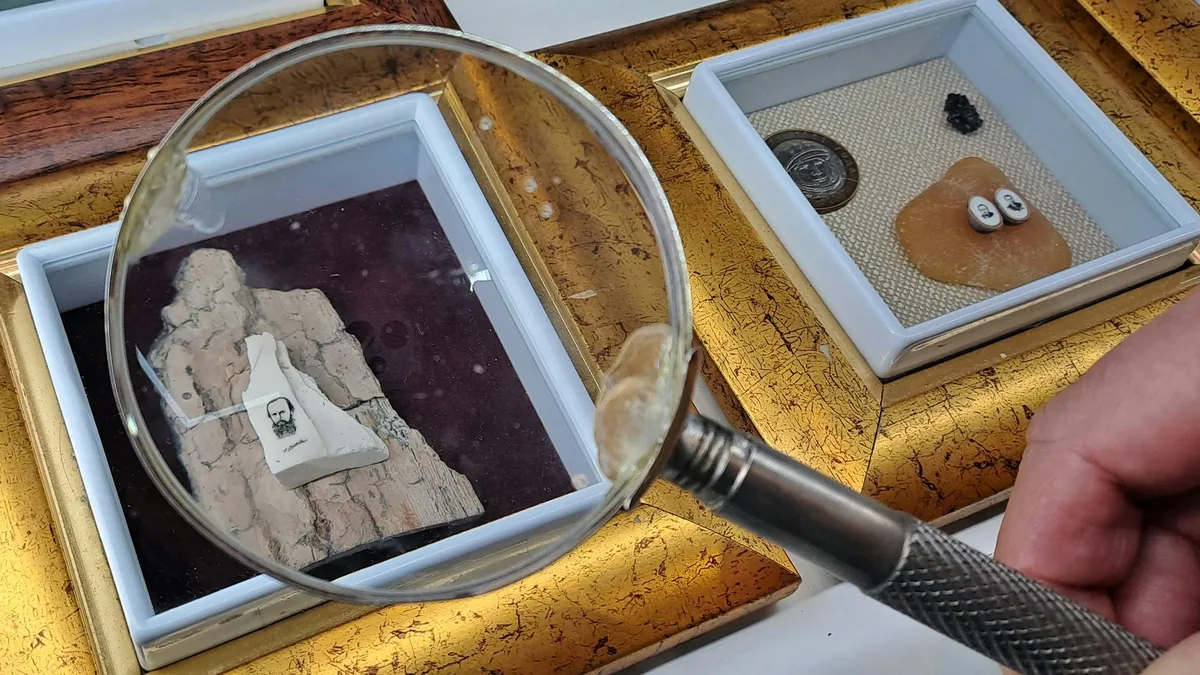
Researchers have re-examined a 1954 photograph of mud stoppers found at Saqqara using digital enhancement to clarify ancient inscriptions. The study applies new techniques to a decades-old image, reigniting debate over the political status of Meretneith, a woman from Egypt's First Dynasty over 5,000 years ago. Archaeologist William B. Emery found 13 mud stoppers around a tomb shaft at Saqqara in the 1940s and published a black-and-white photograph of one in 1954. The poor quality of that image left many scholars unconvinced of his interpretations.
Kelly and Miller used complex digital enhancement techniques on the old photo to elucidate details of the serekhs. They isolated the signs in the scanned photograph, inverted the image, and converted the forms into a scalable digital graphic. This digital process, developed with Crystal Miller, a digital technician at Macquarie University, produced clearer signs than the original photograph. The enhanced image shows four royal serekhs. Researchers compared the signs with other known examples of Meretneith’s name.
Reinterpreting Meretneith’s royal symbols
The enhanced image shows four serekhs, with researchers arguing two belong to Meretneith, linking her directly to the royal serekh as a marker of sovereign power. Each mud stopper contained a series of four serekhs. Emery had identified the first and fourth as belonging to King Djer, an early First Dynasty king. He proposed the second and third serekhs named Meretneith. A serekh was a key royal sign in early Egypt, combining a royal building, a patron deity and the name of a ruler. The researchers argue this links her directly with the royal serekh, the main marker of rulers during this period. The finding adds weight to evidence for Meretneith’s royal power.
Debate over the evidence
While the study claims the signs support Meretneith’s royal status, a Berlin-based historian contends the enhancements reveal only the name of King Djer. Kelly stated that the signs in the second and third serekhs are consistent with the main sign used to write Meretneith's name. Eva-Maria Engel of Humboldt University of Berlin examined the enhanced photograph and argued the serekhs show only Djer’s name. Engel disputes the study's findings, stating from the enhancements that the seal only mentions King Djer and not Meretneith. Her view does not remove the other evidence for Meretneith’s high political status.
Broader context of Meretneith’s power
Beyond the serekhs, multiple lines of evidence suggest Meretneith held significant political and administrative authority, possibly as co-ruler, regent, or queen mother. Inscriptions indicate Meretneith acted on behalf of her son King Den when he was too young to rule. She is described as being in charge of important departments such as the treasury. Meretneith had a large royal tomb and funerary enclosure at Abydos. Seal impressions from later royal contexts describe Meretneith as 'king’s mother,' linking her with Den.
Her exact position has long been debated. Researchers have suggested she served as a co-regent with Djer, ruled as regent for her son Den, or held more than one of these roles during her career. The study argues her political career changed over time. She first appears to have held co-regent status with Djer. Later evidence points to her role as a regent and royal mother. The researchers suggest she ruled again for a period after Den’s death. This pattern would have given Meretneith several forms of political authority. Her position within the royal family allowed her to take different roles as circumstances changed.
Missing artifacts and future research
The original mud stoppers and glass plate from Emery’s excavations are lost, but ongoing work at her Abydos tomb may yield further insights. All 13 mud stoppers and the original glass plate of the photograph have gone missing since the excavations. Their whereabouts are unknown. Excavations from 2023 suggest Meretneith was given a tomb of similar size and construction to that of a ruler. Engel notes that Meretneith had a tomb among earlier and later kings. Further results from renewed work at her Abydos tomb could provide more evidence about how she ruled Egypt.