Forensic Study Confirms Retainer Sacrifice in Egypt's First Dynasty
A re-analysis of 5,000-year-old skulls from royal tombs at Abydos has found fatal blunt-force trauma in 18 individuals.
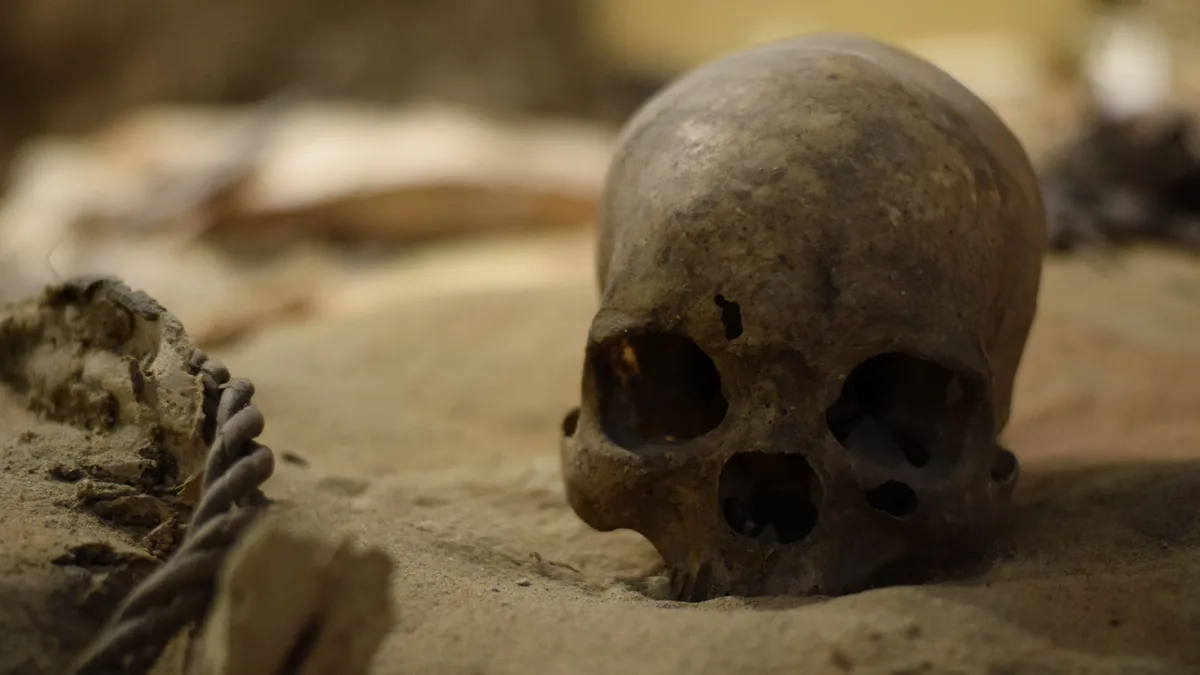
A new forensic study has confirmed the practice of retainer sacrifice in Egypt's First Dynasty. Researchers found fatal skull trauma in 18 of 46 excavated individuals buried near royal tombs at Abydos around 5,000 years ago.
Led by Dr. Roselyn Campbell, an Egyptologist and anthropology researcher at Purdue University, the re-examination used modern forensic techniques on skulls originally excavated over a century ago. The analysis revealed severe, fatal head wounds inflicted around the time of death, settling a long-standing archaeological debate.
Petrie’s early suspicions validated by modern analysis
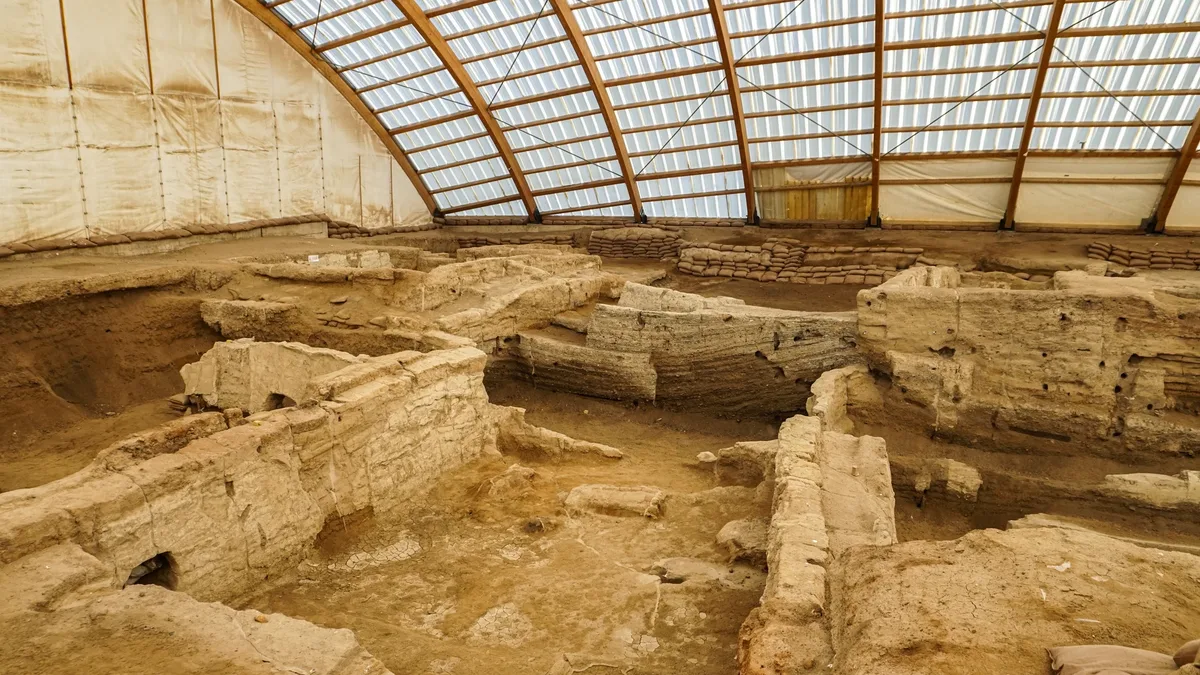
The royal burial site at Abydos was first excavated in the early 20th century by Flinders Petrie. He postulated that the satellite graves contained victims of ritual sacrifice who would serve the king in the afterlife. Petrie could not, however, identify evidence of fatal skeletal trauma with the methods of his time, leaving his theory controversial.
Petrie reburied most of the human remains but retained 46 skulls for future study. These are now preserved in the Duckworth Collections at the University of Cambridge. Campbell’s team built upon Petrie's work, discovering that many skulls exhibited linear fractures which Petrie had mistaken for post-burial damage.
Nature of injuries points to specific blunt-force weapons
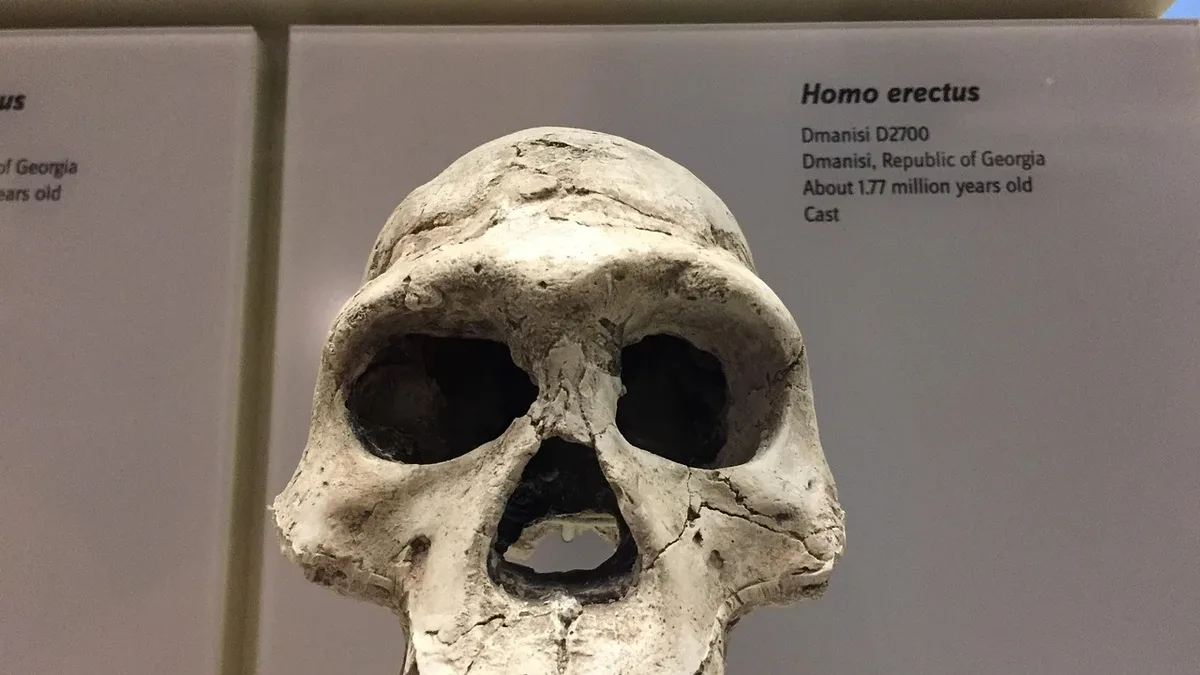
The injuries indicate a consistent method of execution. The 18 skulls bore signs of blunt force trauma, generally appearing as linear fractures. These occur when the cranium is struck by a relatively large object with low overall force, dispersing impact across the cranial vault.
While not always immediately lethal, such fractures can cause intracranial hemorrhage leading to rapid loss of consciousness and death without intervention. One victim had a distinct chopping injury near the eye. Campbell stated it is difficult to identify the exact weapon, but comparative studies suggest the implement was likely flat, light, and made of wood rather than stone. Maces would cause different fracture patterns than the linear wounds observed.
Context and implications for understanding early Egyptian kingship
The sacrifices occurred during Egypt's First Dynasty, which began around 5,000 years ago after the unification of Upper and Lower Egypt. The study focused on individuals buried near the tombs of King Djer, King Djet, and Queen Meretneith at the sacred city of Abydos.
The sacrificed individuals were buried in long rows of simple brick-lined graves surrounding the main royal monuments. Many graves were marked with names and official titles, indicating the occupants were lower- or mid-level officials, artisans, guards, or domestic workers from the royal household.
Campbell noted that the practice of retainer sacrifice likely ended with the close of the First Dynasty, spanning roughly from 3150 BC to 2890 BC-a period of about two centuries or possibly less. She suggested some royal attendants may have accepted sacrifice willingly for eternal life or honour, while others were likely chosen or forced.
External expert affirms significance amid prior controversy
The findings have been welcomed by experts familiar with the long-running debate. Jacobus van Dijk, an Egyptologist at Groningen University in the Netherlands not involved in the study, supported the conclusions. He expressed surprise at the method of execution, noting that artistic depictions from the period, such as those on wooden labels, show victims being stabbed in the chest with a knife.
Campbell now aims to locate and analyze the full skeletons of these individuals if resources allow. Her goal is to study the subordinates’ identities and their perceptions of their role in both life and death.