Model Simulates Agrivoltaic Farming Benefits
A new computational model from researchers Hosseini et al. simulates the complex interactions in agrivoltaic systems, finding benefits for crop health
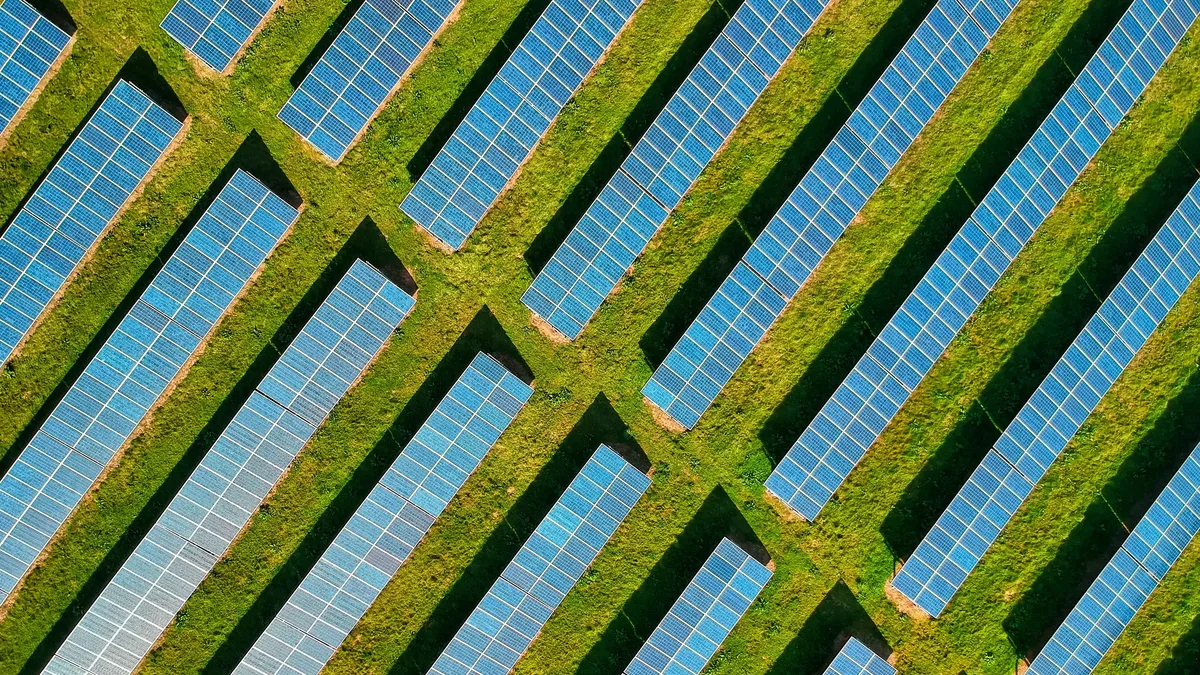
A new computational model simulates the microclimates beneath solar panels in agricultural settings, aiming to solve the land-use conflict between photovoltaic technology and crop production for a burgeoning population. The research, led by Hosseini et al., addresses the nuanced interactions between panels, crops, soil, air, water movement, and carbon dioxide uptake by tracking how energy, momentum, and mass move through the entire agrivoltaic system.
Agrivoltaics combines solar energy production with crop cultivation on the same land. Previous studies have shown solar panels can provide shade, protect certain crops, and increase soil moisture. This new model provides a more holistic view, validated using real-world data from agrivoltaic sites. This included leaf temperature measurements from Davis, California, and soil temperature data from Chicago City, Minnesota.
Simulated Benefits for Tomato Cultivation
Researchers applied the model to a hypothetical tomato farm using weather data from a hot, humid day in Princeton, New Jersey-a representative location for the densely populated mid-Atlantic region where food and energy are both in high demand. They compared results against tomatoes grown in a traditional open field.
Tomatoes under the solar panels had cooler leaf temperatures. They were 1.84°C cooler on average during the day and up to 7.56°C cooler during the peak afternoon heat. This reduced water loss through evapotranspiration by 22.4%. Despite receiving 47% less sunlight, the crops' carbon uptake declined by only 31%. The researchers suggest the more temperate conditions lowered heat stress and partially offset the effects of increased shade.
System-Wide Performance Gains
The simulation revealed advantages beyond crop health. The solar panels themselves operated at lower temperatures when installed over vegetation.
| Component | Condition | Temperature Change | Efficiency Impact |
|---|---|---|---|
| Solar Panels | Over crops vs. bare soil | 5.6°C cooler during day | ~15% recovery of heat-loss efficiency |
| Human Workers | In agrivoltaic system vs. open field | Perceived temp 4.46°C lower during work hours | Occupational health and safety benefit |
The cooler panels recovered approximately 15% of the efficiency typically lost during hotter temperatures. The model also indicated significant benefits for farmworkers, with average perceived temperatures during working hours decreasing by 4.46°C, implying important occupational health and safety benefits.
A Tool for Future Planning
Hosseini et al. propose their model as a planning tool. It can be used to examine potential benefits for various climate regions and crop combinations beyond the tomato scenario. The study demonstrates how integrated modeling can address competing demands for land, food, and energy. For more detailed analysis on environmental impacts and resource use, our stats and standings pages offer further insights into related data trends.