Paranthropus boisei footprints show group travel
A 1.4-million-year-old footprint trail in Kenya reveals eight adult Paranthropus boisei individuals traveling together.
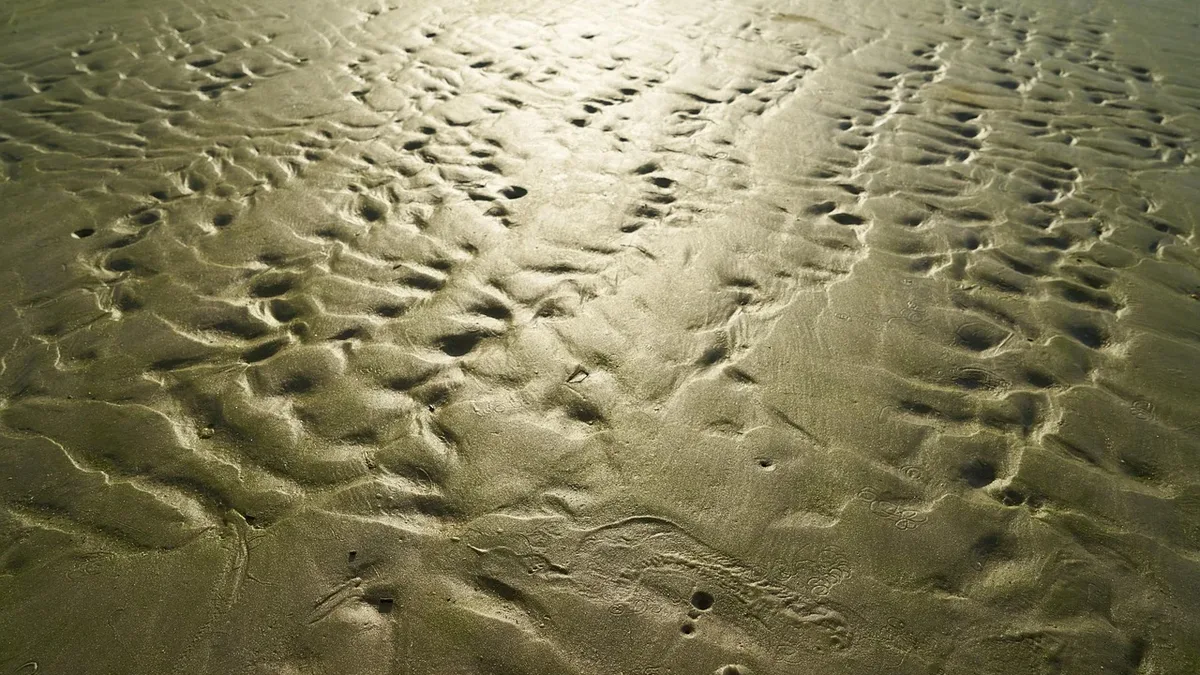
A set of 1.4-million-year-old fossil footprints from northern Kenya shows eight adult Paranthropus boisei individuals traveling together. The tracks, analyzed by an international team, indicate some individuals were surprisingly large, reaching human-like body sizes.
According to the Max Planck Institute for Evolutionary Anthropology, the footprints were preserved near an ancient lakeshore. Researchers describe them as a snapshot of "fossil behavior," capturing a brief moment unlike bones that can accumulate over long periods.
Footprint Size Challenges Previous Estimates
The research team used analytical techniques developed in 2024 to identify the trackmakers as Paranthropus boisei. The classification relied on clues from foot anatomy and movement patterns. The size of the tracks was unexpected.
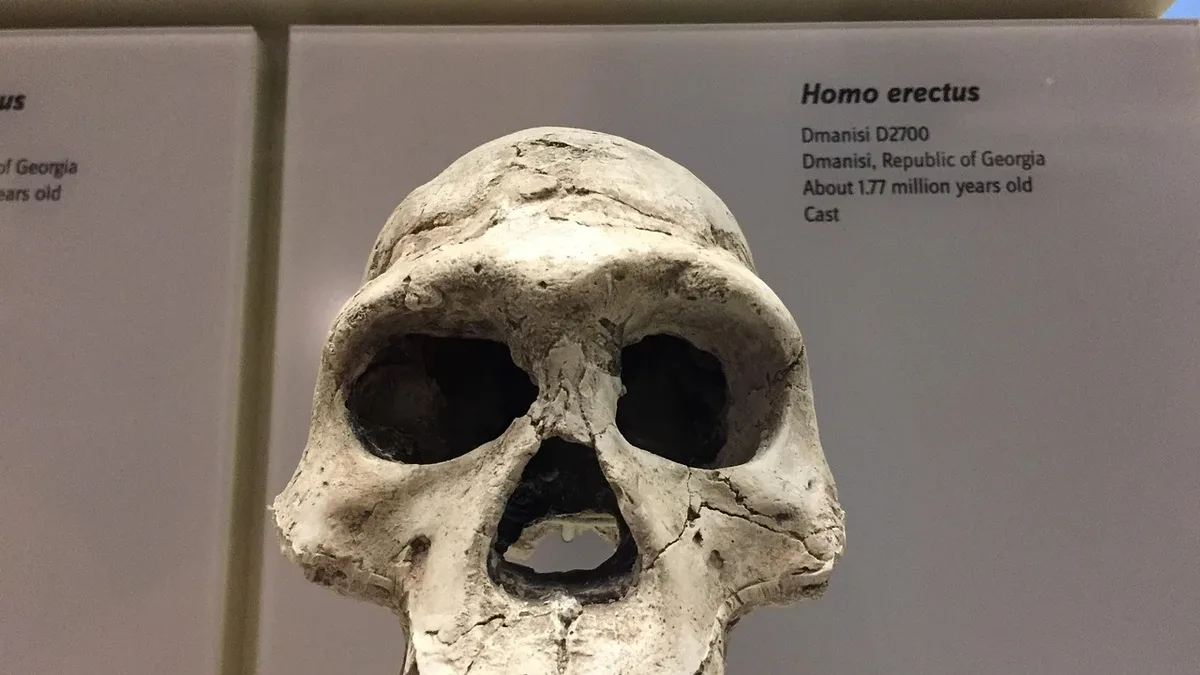
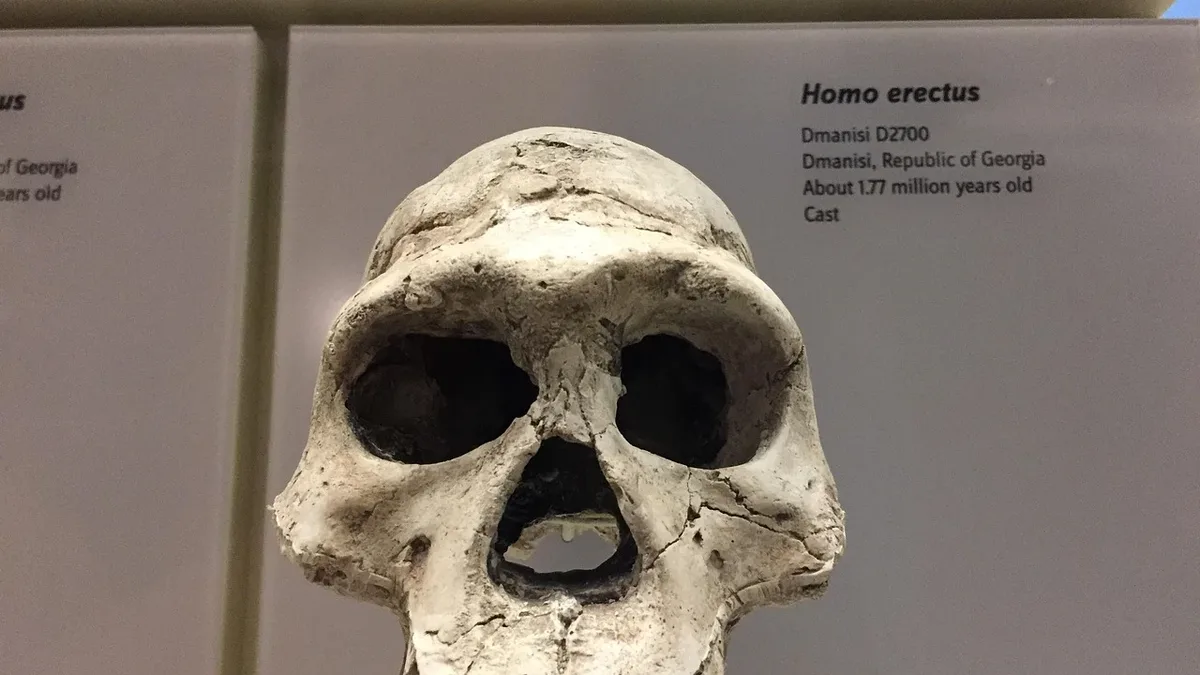
Lead author Kevin Hatala of Chatham University stated, "The sizes of the footprints indicate human-like body sizes - up to 1.8 meters tall and around 75 kilograms." For decades, most known fossils of this species were skulls with large jaws and teeth, leaving the body below the neck poorly understood. These new tracks challenge earlier research that suggested Paranthropus boisei was substantially smaller than the contemporaneous hominin Homo erectus.
A Glimpse of Social Structure
Fossil tracks can provide direct evidence about movement, group size, and social interactions because they form over a very short time. In this case, the eight individuals appear to have been traveling together. Most were likely adult males, with no obvious evidence of females or children.
Co-author Neil Roach of Harvard University said, "The fact that eight, mostly adult male, Paranthropus boisei individuals seemingly traveled together as a group, without females or children, hints at a complex social structure in this species." He suggested they may have lived in large groups where males competed for mates but also tolerated each other for safety. This adds a new dimension to understanding a species that shared its world with early Homo but followed a different evolutionary path.
Lakeshore Habitats and Preservation
The discovery is part of a larger collection of hominin footprints found in ancient lakeshore environments around Lake Turkana. This pattern suggests these areas were important habitats that drew extinct human relatives back repeatedly.
Co-author Kay Behrensmeyer of the Smithsonian Institution noted the amazement of having the same kind of lake margin deposits in two areas of East Turkana that are 40 kilometers apart, at about the same age. Researchers have documented hundreds of hominin footprints at more than a half-dozen sites across the region.
Behrensmeyer predicts that understanding the geological conditions that allowed preservation could explain why hominins returned to the lake shore over more than 100,000 years.
The research team plans to return to Kenya this year to continue investigating the fossil footprint sites. Each newly documented surface can preserve a different moment from the distant past, providing evidence about anatomy, walking behavior, social interactions, and environmental conditions.
Kevin Hatala said, "Each site represents a snapshot of our past, and we are quickly building a photo album with several different windows to hominin anatomy, locomotion, behavior, and environments during the Early Pleistocene." Co-author Purity Kiura of the National Museums of Kenya added that the discovery reinforces the Lake Turkana region's global importance for understanding human evolution and strengthens Kenya's position as a leading paleoanthropological landscape.
By combining new methods with well-preserved sites, researchers gain access to details bones alone often cannot provide. These ancient tracks reveal how extinct human relatives were built, how they moved, where they spent their time, and how they may have interacted.