Oldest Shipwreck Found Off Turkey's Kekova Island
A 4,500-year-old shipwreck discovered off Turkey's Kekova Island in 2024 is now the world's oldest known wreck.
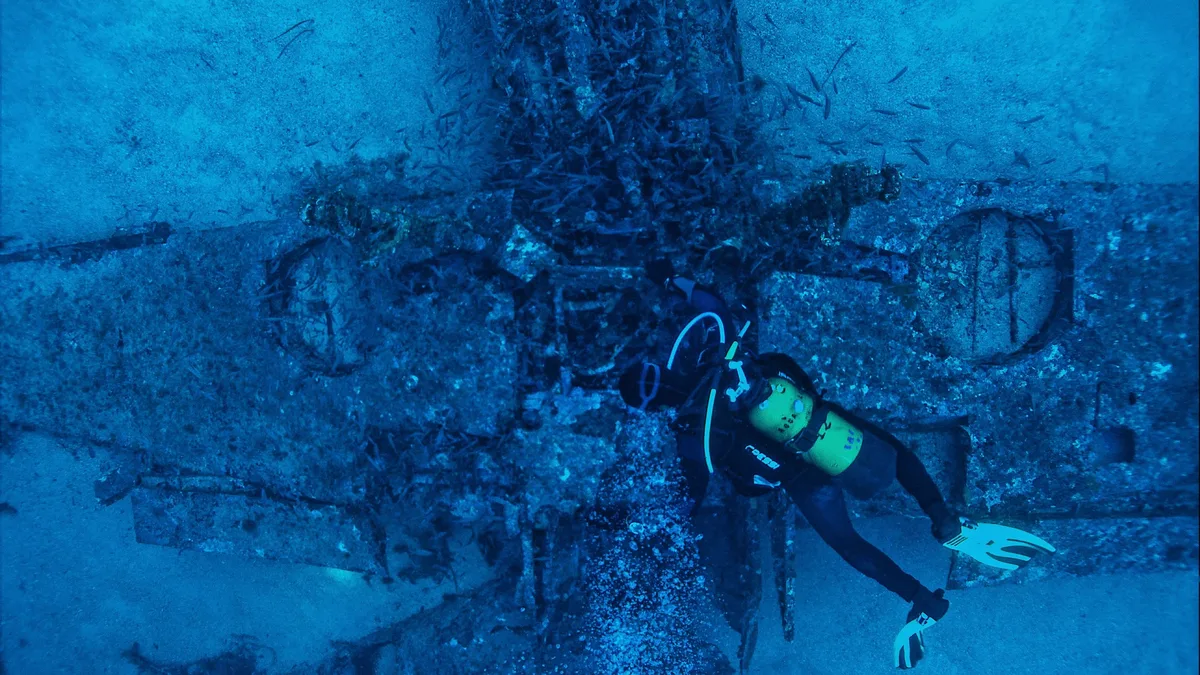
A 4,500-year-old shipwreck discovered off Turkey's Kekova Island in 2024 has been confirmed as the world's oldest known shipwreck. It surpasses the previous record held by a 4,200-year-old wreck off Greece's Dokos island. The discovery was made by Associate Professor Hakan Öniz of Akdeniz University in Antalya, who has worked along the Turkish coastline for decades. The wreck dates to approximately 2700-2400 BCE, placing it in the Early Bronze Age.
Shipwreck Details and Cargo
The ship's wooden structure has vanished due to underwater exposure, but its pottery cargo remains. Over 30 ceramic storage vessels, or amphorae, were found on a rocky underwater slope. These pots feature two handles, a flat base, and a distinctive raised horizontal clay 'belt' around their widest part. The ceramics match styles associated with 4,400 to 4,700-year-old artifacts from Egypt and the Middle East. The shipwreck belongs to the Turkish Ministry of Culture.
| Feature | Description |
|---|---|
| Age of Wreck | 4,400-4,700 years old (c. 2700-2400 BCE) |
| Previous Oldest Wreck | 4,200 years old, off Dokos, Greece |
| Number of Amphorae Found | Over 30 |
| Key Amphorae Features | Two handles, flat base, raised clay 'belt' |
Discovery Process and Significance
Divers worked for four months to extract the barnacle-encrusted pottery from the site. Associate Professor Hakan Öniz said, "Acting on clues from local seafarers, Öniz found a shipwreck in shallow waters off Kekova, west of Antalya in Turkey, in 2024." With no ship wood remaining for radiocarbon dating, researchers determined the age by analyzing the amphorae styles. The ship likely sought refuge in lee waters during a storm before crashing against rocks. Dr. Karin Sowada of Macquarie University examined the amphorae and noted visible residue inside. Some of the pottery may have originated in the Central Jordan Valley.
Historical Impact
The discovery transforms understanding of ancient Mediterranean connections during the Early Bronze Age, a period contemporaneous with the construction of the Great Pyramid of Giza. The cargo, which may have contained olive oil, wine, or tree resin, suggests the ship originated from the eastern Mediterranean coast. It likely transported goods to destinations like Troy or the Minoan people in Crete. Three large stone anchors were discovered alongside the ceramic pots. The artifacts will be displayed in the new Mediterranean Underwater Archaeology Museum in Antalya city upon its opening.