Maya Mercury Contamination Poisoned Yucatán Waterways
New sediment core analysis reveals extreme mercury pollution in ancient Maya water sources, linked to their use of imported cinnabar pigment.
Sediment cores from Cobá Lake and Cenote Xcach in the Yucatán reveal mercury poisoning persisted at Cenote Xcach until the Maya collapse. Mercury levels at Cobá Lake fell to background levels of about 20 parts per billion by A.D. 520, while Cenote Xcach showed continued contamination. The study analyzed cores spanning more than 2,000 years, covering the Preclassic and Classic periods from A.D. 40 to 820. The most polluted sediment layers reached 2.3 parts per million of mercury.
Cinnabar importation and use in Maya society
Cinnabar, a mercury-sulfide mineral, does not occur naturally in the Yucatán Peninsula. The Maya imported it, likely from Honduras. For centuries, they used this mineral to make a vivid vermilion red paint.
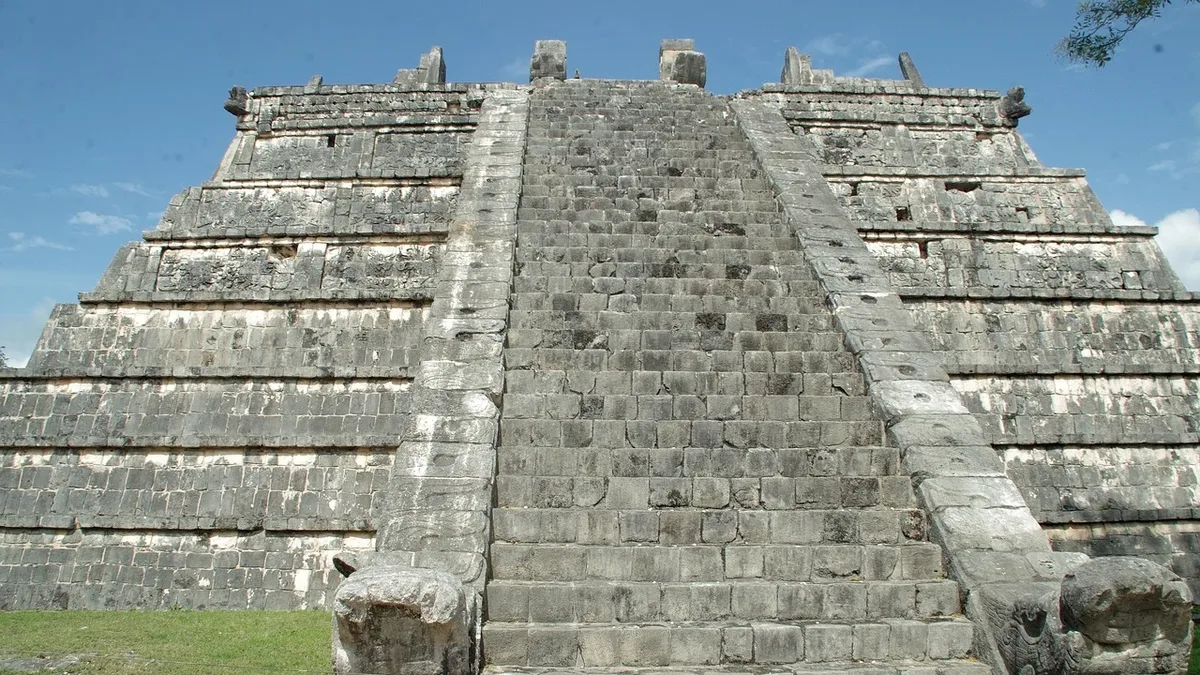
This pigment was applied extensively to sculptures, monuments, walls, and plazas. It decorated pottery and was used in ceremonial body painting. The widespread use of this toxic substance is the source of the mercury found in the sediment.
Chronology of mercury poisoning
Mercury contamination from cinnabar runoff occurred between A.D. 40 and 820. This period spans the Preclassic and Classic eras of Maya civilization. The pollution timeline shows a persistent environmental impact.
The sediment record provides a clear chronology. It shows when contamination began and how it persisted in different locations.
Health impacts and ecological consequences
The mercury levels discovered far exceed modern safety thresholds. The ecological damage was severe. Sediment cores from the Maya sites show a telling absence: a lack of freshwater shellfish fossils.
This indicates mercury poisoning killed aquatic life. The Maya relied heavily on freshwater fisheries for protein. The disappearance of these resources would have been a significant blow.
Human health was also at grave risk. Severe mercury poisoning in humans occurs at blood levels exceeding 100 parts per billion. It causes lung damage, brain damage, and death. Contamination would have spread through water and food sources.
Modern safety standards highlight the extreme danger of the ancient levels. The U.S. Environmental Protection Agency considers drinking water unsafe above 2 parts per billion of mercury. Its limit for fish is 1 part per million.
The ancient sediment contained more than double the fish safety limit. Matthew Waters, a researcher involved in the study, described the likely scene. "They would have seen a strange color change in the water … and a drop in its productivity, such as fish for protein."
The study's publication in Science Advances on November 4, 2023, confirms the documented Yucatán contamination and extends prior findings to this region.