Mercury Contamination Found in Maya Cities Coba and Xcach
A study reveals centuries of mercury pollution exceeding modern safety standards at two Maya cities on Mexico's Yucatán Peninsula, linked to the ceremonial use of cinnabar pigment.
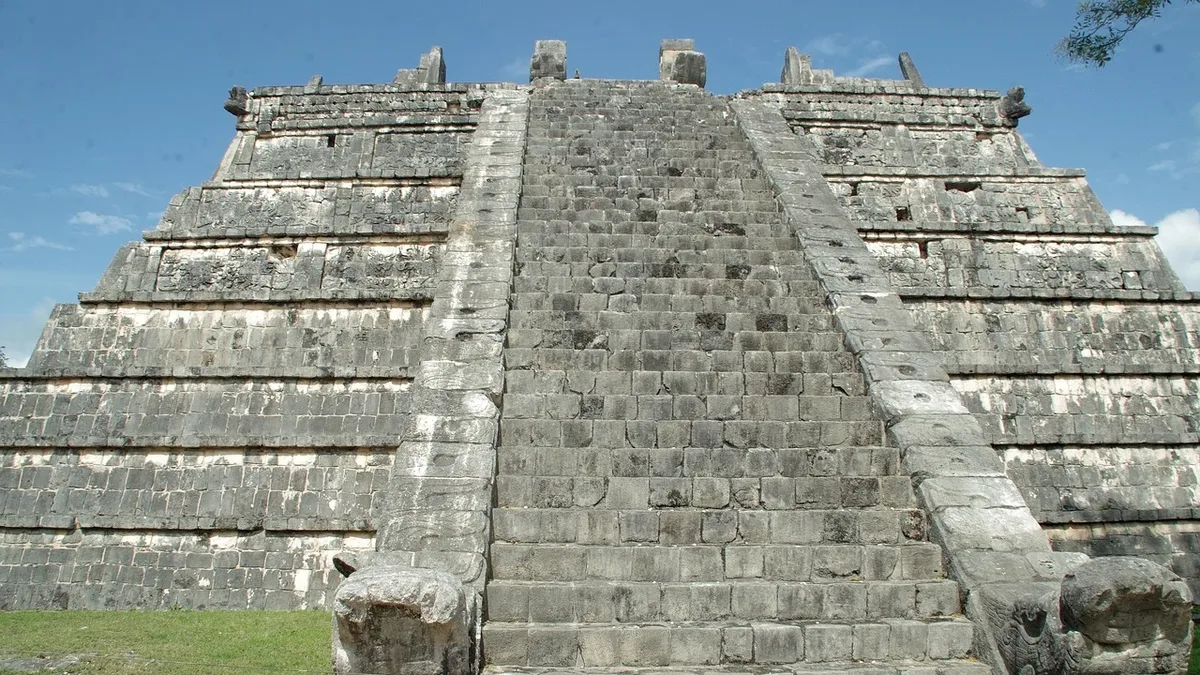
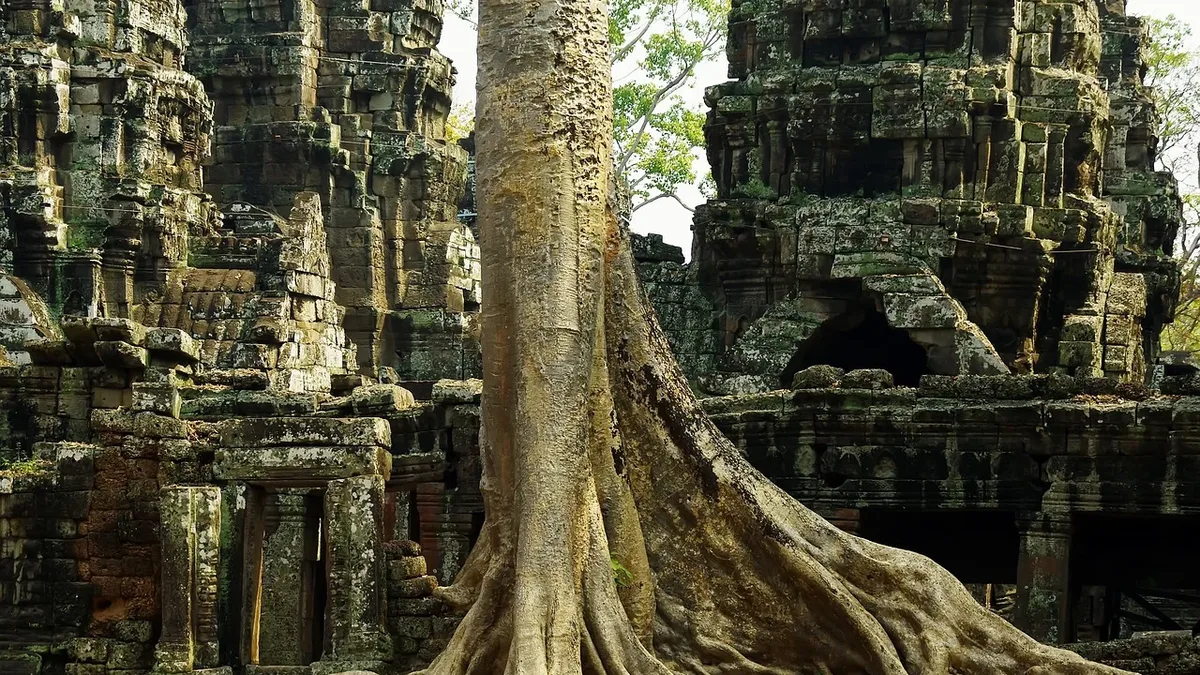
Researchers have discovered long-term mercury contamination in the area of two ancient Maya cities, Coba and Xcach, on Mexico’s Yucatán Peninsula. The highest pollution levels around these sites exceeded modern toxicological and contamination standards for centuries.
The study, published in Science Advances, documented this mercury contamination in the northern Maya lowlands, a region with previously little data. The samples contained some of the highest mercury concentrations recorded for the Maya era. Matt Waters of Auburn University and Savanna Wooten of the Jones Center at Ichauway conducted the research.
Timeline of contamination events
Mercury spikes occurred in distinct periods across both cities. In Coba, a sharp increase in mercury levels began around 250 CE and lasted for about 150 years, at the beginning of the Classic period of Maya civilization.
At Xcach, researchers recorded three mercury periods. Spikes occurred approximately from 125 to 200 CE, another around the time of the Coba increase, and from about 535 to 820 CE.
Source and spread of contamination
Contamination likely entered ecosystems through water and fish, affecting multiple trophic levels. Biological markers for bacteria, algae, cyanobacteria, shelled organisms, and insect midges decreased or vanished in the affected lakes' sediments. This indicates mercury entered and disrupted multiple levels of the local food chain.
Cinnabar connection and trade implications
The Maya widely used bright red cinnabar, a mercury sulfide pigment, in ceremonies, funerary rites, murals, and temple decoration. Scientists suggest that in Coba and Xcach, where cinnabar does not occur naturally in significant quantities, it may have been an important trade commodity imported from distant sources.
Matt Waters summarized the scale of the pollution. "Our study shows that modern toxicology and pollution regulations were far exceeded at the most toxic levels for centuries around Coba and Xcach," he said.
This finding adds to a growing picture of ancient mercury use in Mesoamerica. A previous study confirmed mercury contamination at Tikal in Guatemala, and a rare liquid mercury pool was found beneath a pyramid in Teotihuacan. Co-author Savannah Wooten noted that the data do not establish a direct link between mercury and the decline of Maya cities during the Classic period. The study points to mercury contamination as another possible factor among the environmental and climatic stresses affecting the Classic period Maya, highlighting the need for further research into its role.