Giant Prehistoric Rodent Discovered in Thai Coal Mine
A 66-pound rodent fossil from 34 million years ago, found in a Thai coal mine, reveals giant rodents evolved in Southeast Asia earlier than known.
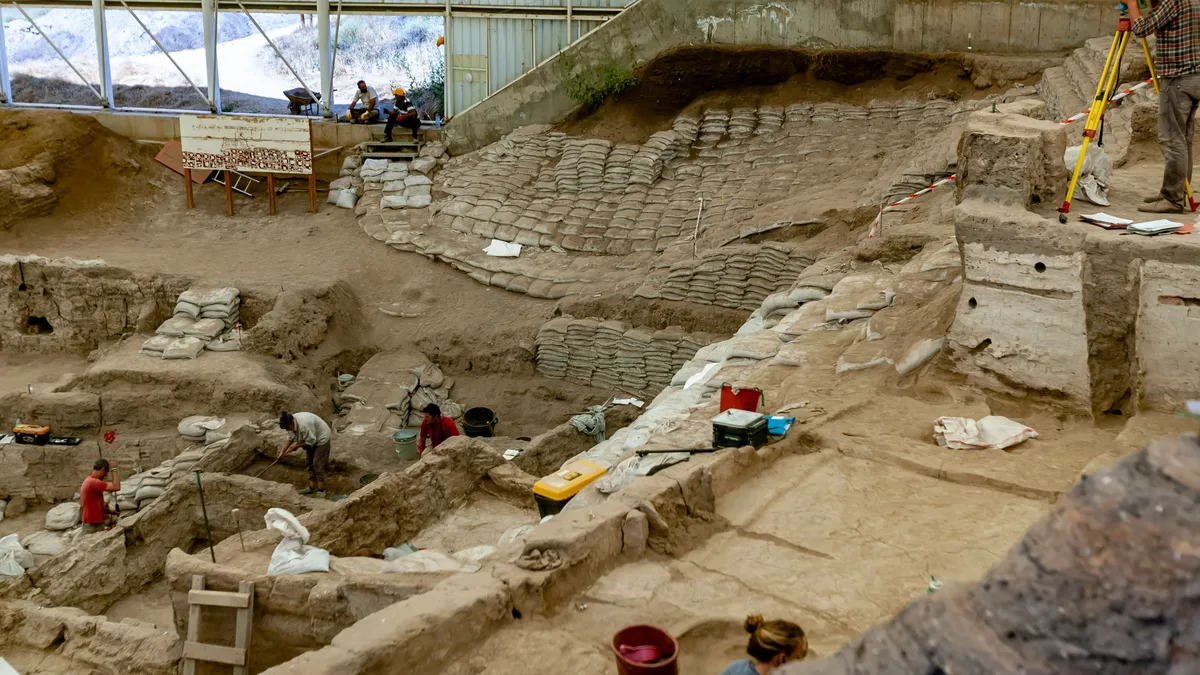
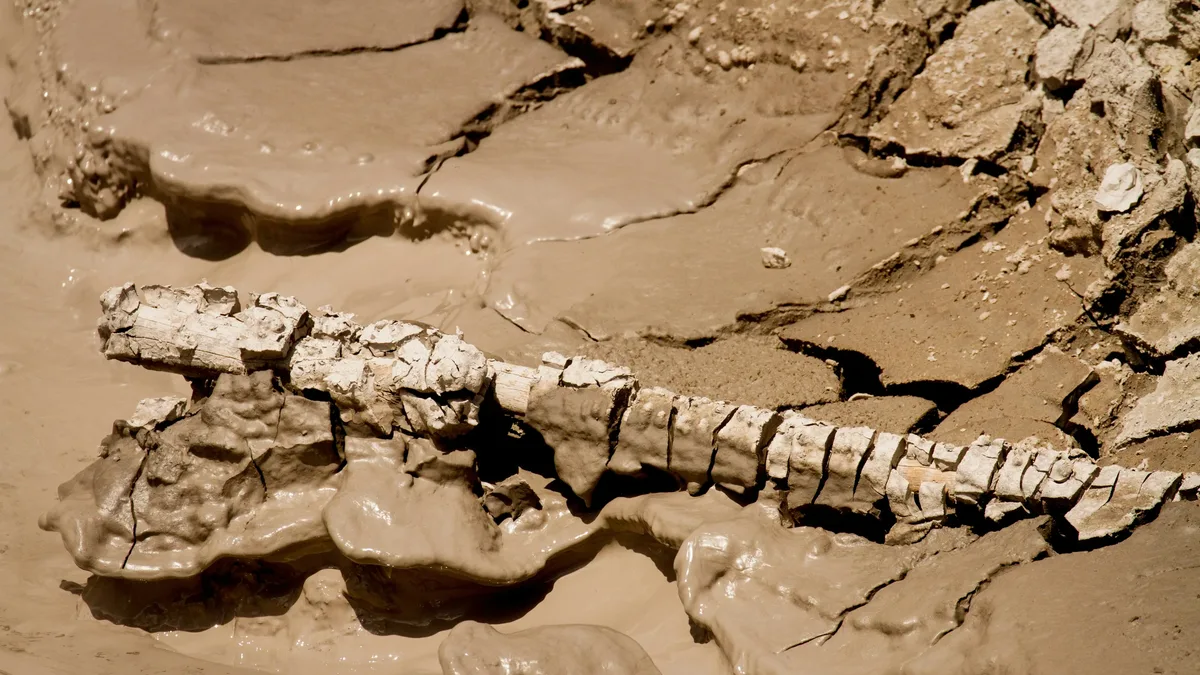
Geologist Pannipa Tian discovered a cream-colored fossil in the Bang Mark Pit coal mine in Thailand's Krabi province in 2004. The find, a roughly two-inch incisor fragment and a large dark molar, was initially mistaken for a bone before her supervisor identified it as a giant rat's tooth.
Species Description and Naming
Scientific analysis confirmed the fossils belong to a previously unknown species, Yakamys sirindhornae. The rodent was a member of the extinct Ischyromyidae family and weighed approximately 66 pounds (30 kilograms). Researchers used seven tooth-based methods to estimate its mass.
The species name honors Princess Maha Chakri Sirindhorn. This animal was twice as heavy as other known rodents from the same period and about half the weight of a large modern capybara.
| Feature | Detail |
|---|---|
| Weight | 66 pounds (30 kilograms) |
| Comparative Size | Twice as heavy as contemporary relatives; half the size of a large capybara |
| Fossil Elements | Lower second molar and a lower incisor |
| Age | 33 to 35 million years ago (Late Eocene) |
Scientific Context and Significance
The discovery France, and Canada, challenges long-held views. Giant rodents were known to have evolved repeatedly in South America, but Yakamys sirindhornae shows they also emerged in Southeast Asia. The Asian fossil record for rodents is sparse and dominated by small-bodied species, making this find particularly significant.
Researchers from the Thai-French Paleontological Expedition on Fossil Mammals in Thailand suggest large rodents may have evolved in Asia before diversifying globally. The spread of ancient rodents to other regions may have begun in what is now Thailand. The research received support from multiple institutions including CNRS, Université de Poitiers, and McGill University.
Virginie Millien noted, "Today, the largest living rodent is the capybara, but very large rodents are not restricted to recent ecosystems."
Uncertainty and Future Research
The fossil evidence is limited to just two teeth, making weight estimates uncertain. Researchers do not know what the animal looked like, what it ate, or how it behaved. An unpublished isolated rodent incisor from Myanmar's Pondaung Formation may belong to a comparable species, hinting at a wider distribution.
The Electricity Generating Authority of Thailand granted access to the Krabi coal mine, a site where researchers have previously uncovered extinct primates and other ancient species. Further fossil discoveries in Thailand and neighboring regions are needed to understand this rodent's evolution and ecology.