Ancient Scythian tomb yields oldest evidence of psychoactive cannabis use
Chemical traces in human hair and over 1,000 seeds from a 2,800-year-old Siberian burial provide the oldest directly dated proof that Scythians used cannabis for its intoxicating effects.
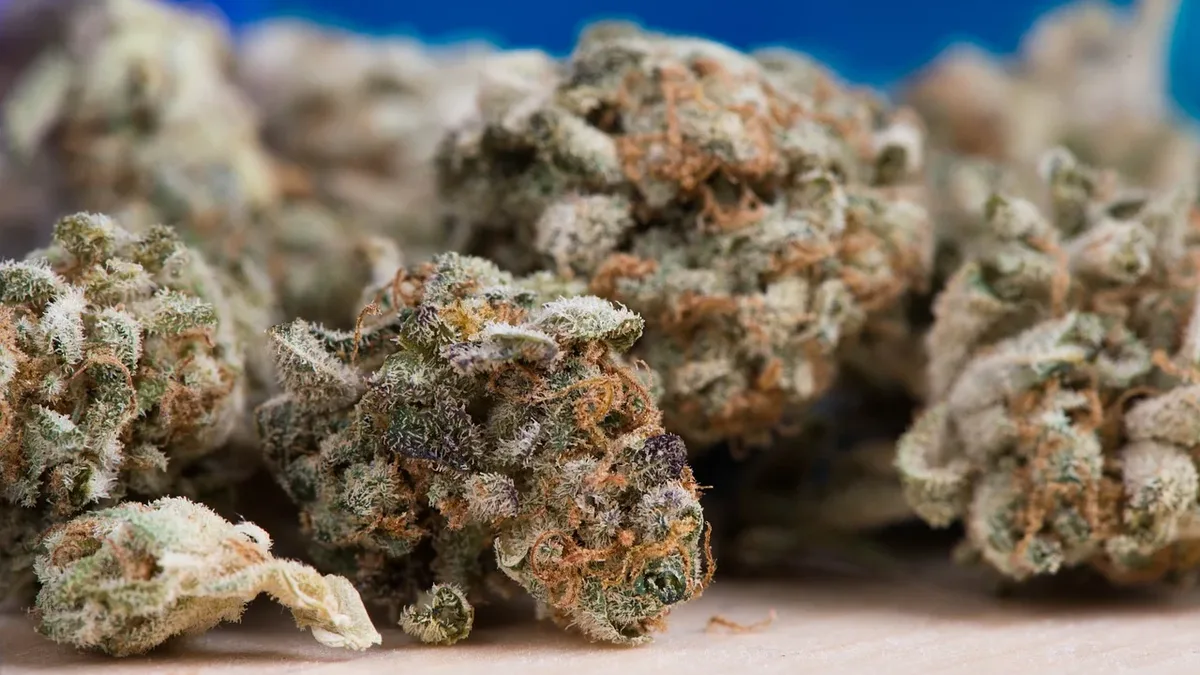
Scientists have discovered the oldest directly dated evidence of psychoactive cannabis use in a 2,800-year-old Siberian tomb. An international team led by Dr. Gino Caspari of the University of Bern and the Max Planck Institute of Geoanthropology recovered roughly 1,000 cannabis seeds and chemical traces in human hair from an elite Scythian burial mound. The findings, published Thursday in the journal Science, reshape understanding of ancient ritual drug use.
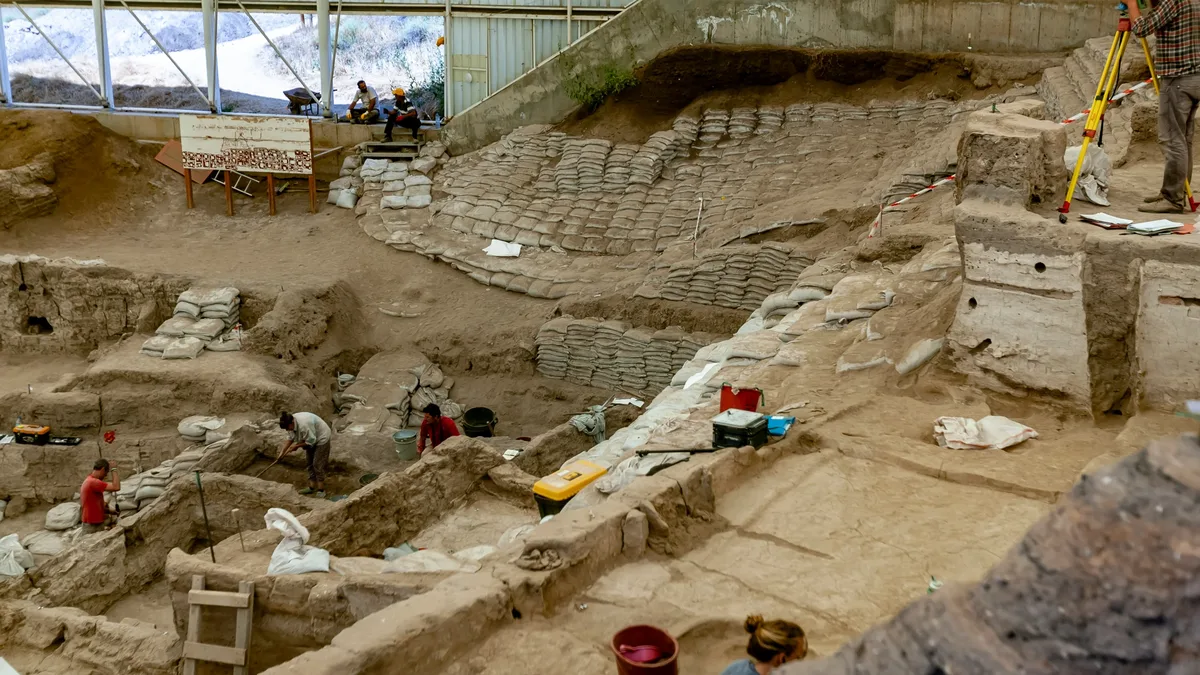
Researchers excavated the large kurgan, known as Tunnug 1, in the Uyuk Valley of southern Siberia's Republic of Tyva. The dig began in 2017. This site represents one of the earliest monumental tombs showing Scythian material culture. Combined dating evidence places the burial in the early eighth century B.C.
Dating and context
Radiocarbon dating of six individual seeds confirmed the early eighth century B.C. date. The tomb belonged to prominent members of the Scythian culture, nomadic horseback riders who inhabited the Eurasian steppe. The burial was elaborate. It contained rich grave goods and the remains of dozens of sacrificed horses.
Earlier work identified 18 deliberately placed horse remains. Continued excavations have since uncovered evidence of several dozen more. Scattered human bones were also found. "In this princely tomb, the burials were accompanied by extensive horse sacrifices and, most likely, human sacrifices as well," says Gino Caspari.
Chemical evidence of consumption
The key link came from analyzing preserved human hair from the central chamber. Using high-resolution mass spectrometry, the team identified clear chemical signals matching cannabinol (CBN) in every hair sample tested. CBN forms when THC, the primary intoxicating compound in cannabis, oxidizes. Researchers also detected much weaker signals consistent with THC itself.
This chemical evidence provides a direct connection between the plant remains and the people buried with them. The seeds likely came from wild cannabis plants. Whether they were cultivated for psychoactive properties remains unknown.
Ritual significance
The combination of physical seeds and molecular traces in human tissue is exceptionally rare. It strongly suggests ritualistic use. "The seeds show that cannabis played an important role in the rituals surrounding the burial," says Caspari. The evidence positions this find as the oldest directly dated archaeological proof of cannabis use associated with intoxication.
Many questions persist. The exact method of consumption-whether by inhalation or ingestion-is not clear. The potency of the ancient plants and whether Scythians selected for higher THC varieties also remain mysteries.
Future research
To investigate these questions, the team is now studying genetic material from the ancient seeds. The DNA preservation is excellent. This will help us learn more about the history of the domestication and spread of this crop soon, Caspari stated. This genetic work could illuminate how humans domesticated cannabis and how it moved across regions over millennia.