Archaeologists Uncover SS Dog Kennels at Dachau Concentration Camp
Excavations ahead of a memorial redesign have exposed 35 Nazi attack dog kennels and human bone fragments beside the Dachau crematorium, revealing a closely linked SS terror complex.

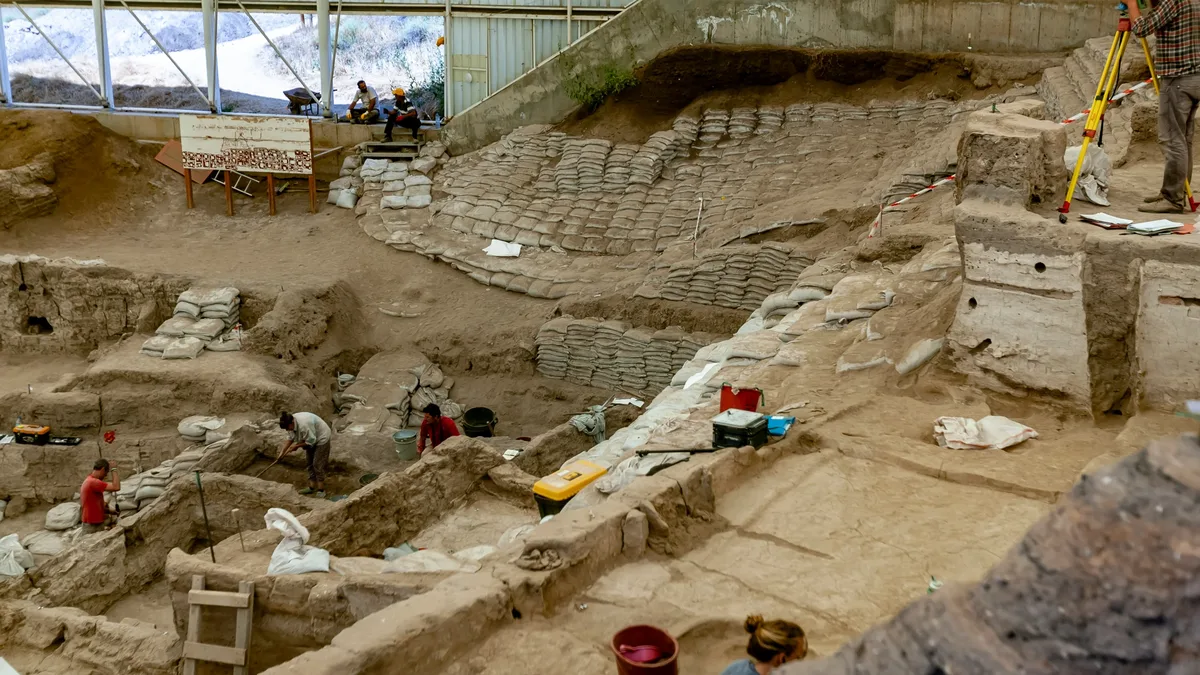
Archaeologists have uncovered 35 SS attack dog kennels at the Dachau concentration camp in southern Germany. The discovery, made during excavations for a memorial site redesign, reveals the physical integration of canine terror with the camp's killing machinery.
Teams from the Freising State Construction Office, guided by the Bavarian State Office for the Preservation of Monuments, exposed the well-preserved foundations of a vast SS dog-handling facility. This complex had remained hidden for decades, positioned directly adjacent to the grounds of the former crematorium. Dachau was the first permanent Nazi concentration camp, established near Munich in March 1933. Over 200,000 prisoners from across Europe were incarcerated there during the Nazi regime's 12-year reign.
Kennels found alongside crematorium remains
The archaeological work placed the kennels in immediate proximity to the crematorium area. In several spots, researchers hit a layer of ash mixed with slag and bone fragments believed to be human remains from the ovens. The working assumption is this material consists of human remains from the crematorium. Archaeologists also found the foundations of the crematorium's administrative offices, where SS personnel coordinated and documented the incineration and disposal of bodies. More than 41,500 people were killed at Dachau through starvation, disease, torture, and murder.
SS integrated dogs into camp terror system
The Nazi Schutzstaffel established a dedicated canine unit at Dachau in 1942, housing the animals just yards from the cremation facilities. They trained hyper-aggressive breeds such as German shepherds, Dobermanns, and Boxers to attack inmates. The dogs were used to round up prisoners attempting to escape and to accompany forced labour details made up of malnourished inmates. The SS used the animals as living weapons to launch savage attacks, a fact documented in many written and pictured accounts left by former inmates.
Physical evidence links dog area to crematorium
The disturbing findings show the crematorium and dog-handler area were one closely connected place of terror. Gabriele Hammermann, director of the Dachau Concentration Camp Memorial Site, said, "The crematorium area and the dog-handler area formed a closely connected functional unit as places of terror." Mathias Pfeil, Conservator General of the Bavarian State Office for the Preservation of Monuments, stated the soil at the camp is "the last and incorruptible witness to Nazi crimes." He added that the finds demonstrate the growing importance of archaeology as Holocaust survivors disappear.
The discoveries have prompted the memorial site to engage in close discussions with organisations representing victims and survivors. These talks concern the careful handling and preservation of the suspected human remains and associated artefacts. A second research and teaching excavation, commissioned by the memorial site, was carried out by a University of Münster team. The memorial will continue discussions with remembrance communities about the future of these finds.