Chemical evidence of dinosaur blood found in 115-million-year-old fossil
Chemical signatures of heme and microscopic structures resembling red blood cells were identified in a 115-million-year-old Brazilian dinosaur bone, representing the oldest direct molecular evidence of dinosaur blood compounds.
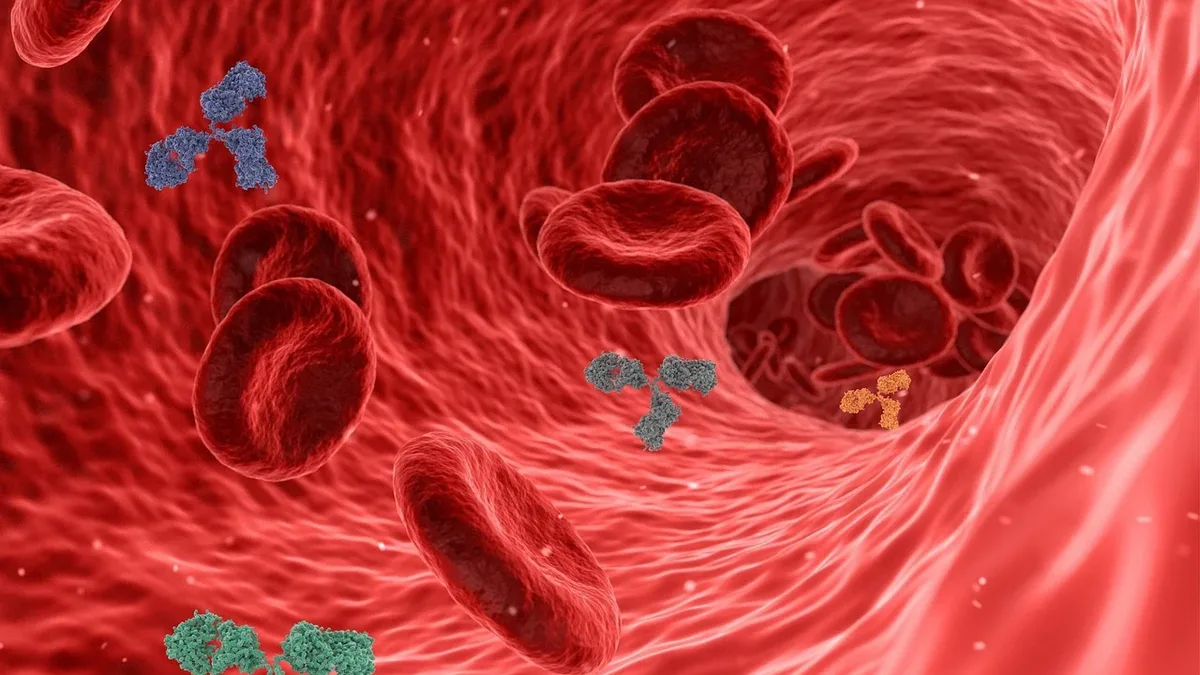
Scientists have identified chemical signatures of heme and microscopic structures resembling red blood cells in a 115-million-year-old dinosaur fossil from Brazil. The research provides the first direct chemical evidence of dinosaur blood compounds, surpassing previous finds by tens of millions of years.
The fossil, a partial hind limb, belongs to Aratasaurus museunacionali, a roughly 10-foot-long theropod from the Early Cretaceous period. It was recovered from a mine in Brazil's Romualdo Formation in 2008 and was housed at Brazil’s National Museum for study. An international team from institutions in Brazil, Japan, the United States, and Australia, led by scientists at Curtin University, conducted the analysis.
The team used microscopy, mineralogical analyses, and molecular geochemistry to examine the bone. Electron microscope images revealed small, round, ellipsoidal structures exclusively within the fossil's vascular canals, where blood vessels once ran. Chemical tests on these areas identified the presence of heme B-the organic compound that allows haemoglobin to carry oxygen-alongside iron, carbon, and nitrogen. Preserved amino acids associated with collagen were also detected. The sediment surrounding the fossil lacked these signatures, and no evidence of fungal or microbial contamination was found.
Kliti Grice, a professor at Curtin University and study co-author, noted that exceptionally preserved fossils may contain molecular traces of the original organism. "That opens the possibility of asking questions about ancient biology that skeletal anatomy alone cannot answer," Grice said.
Preservation conditions and mineral stabilization
The exceptional preservation is attributed to the fossil's burial environment. The dinosaur was buried in shallow, oxygen-starved waters containing microbial mats, which likely helped protect the vascular structures. A key factor appears to be the mineral hausmannite (Mn₃O₄), a manganese oxide that mineralized the red-blood-cell-like structures. Researchers suggest this mineralization may have stabilized the organic molecules, including heme, for over a hundred million years.
Scientific debate on structure identification
Not all experts are convinced by the findings. Some researchers question whether the observed microstructures match the expected morphology of red blood cells in nonmammalian animals, noting they are smaller and lack a distinctive nuclear bulge. Mary Schweitzer, a molecular paleontologist at North Carolina State University not involved in the study, expressed skepticism. "I am not convinced that the images they figure are remnant RBCs for several reasons," Schweitzer said, noting the structures appear concave rather than having the expected shape.
Grice emphasized that her team's work does not imply large biological molecules like proteins or DNA survive in such ancient fossils. She stated that any extraordinary claim needs extraordinary analytical evidence and that the aim is to determine how much genuine molecular information deep time can preserve, not to find Jurassic Park DNA.
First direct molecular evidence in dinosaur fossils
This study marks a methodological advance as the first to use chemical processes to identify heme-based signatures in dinosaur bones. The 115-million-year-old fossil now is the oldest known example of possible dinosaur blood cells, surpassing previous finds of up to 80 million years. The red blood cell-like structures were notably larger and more rounded than those of modern birds and crocodilians.
The research team, which includes authors Renan Bantim, Antônio Saraiva, and Jasmina Wiemann, has called for replication and further testing on additional fossils from different geological settings. They suggest that extraordinary molecular information may already be present in museum collections worldwide, waiting to be studied with new analytical techniques.