Oldest North African Defensive Complex Found in Morocco
Archaeologists have dated a Moroccan ditch-and-rampart structure to 3,500-4,000 years old, making it the oldest known defensive work in Africa outside
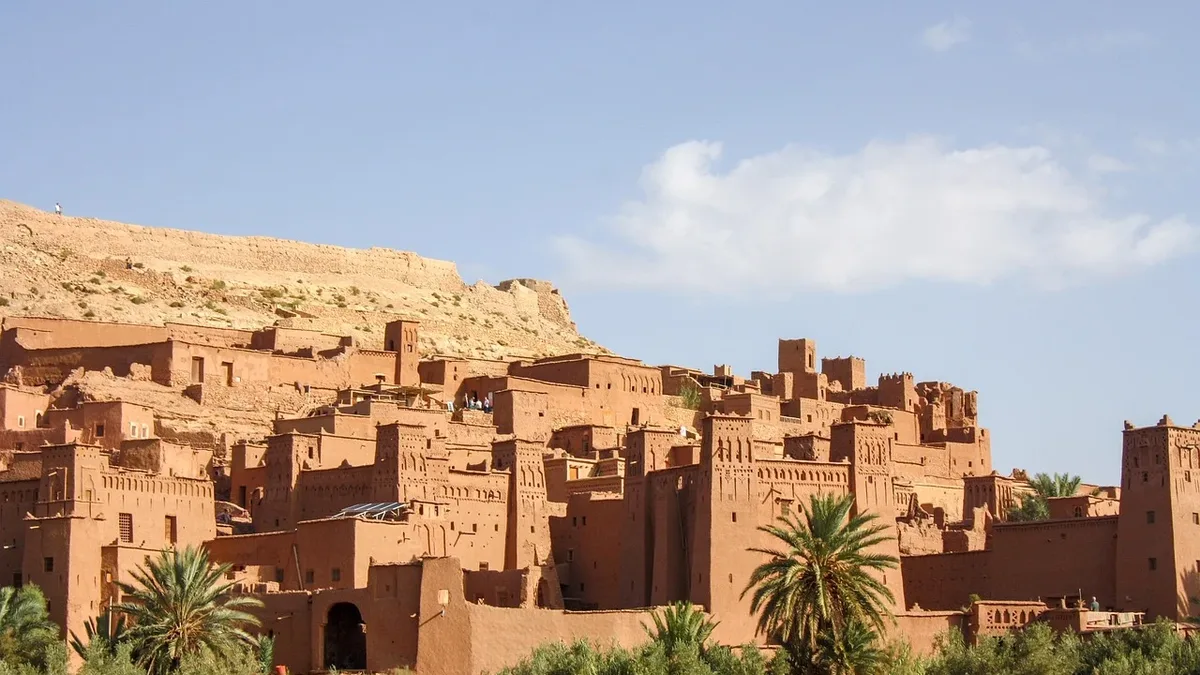
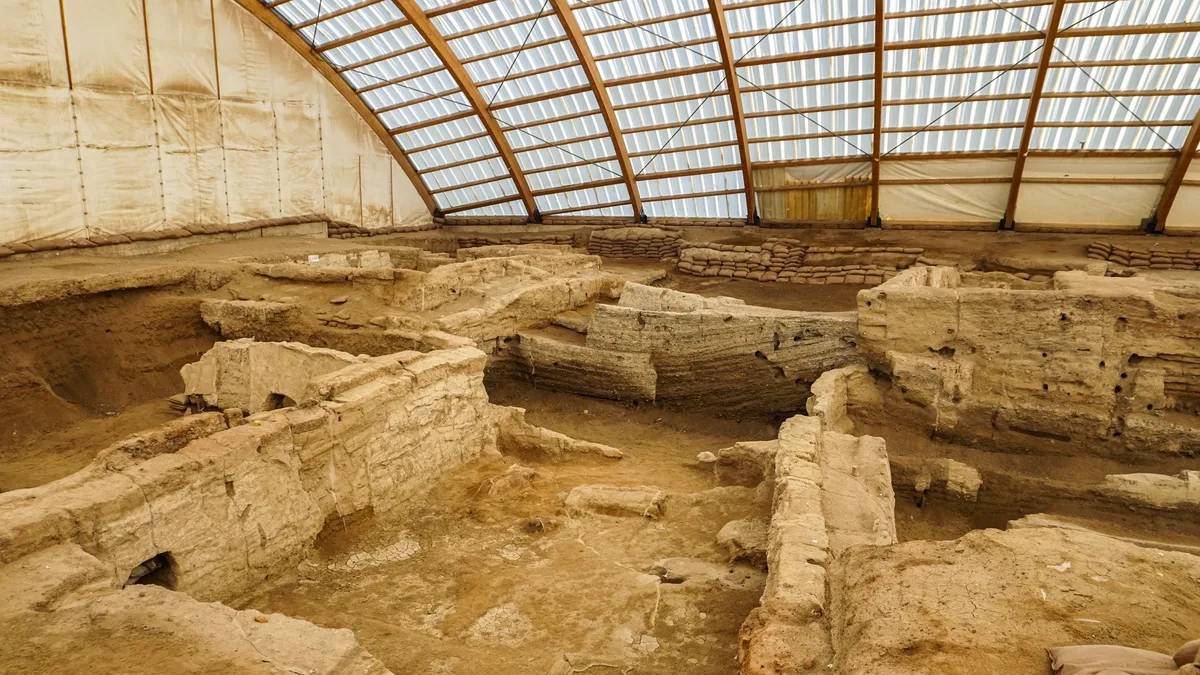
An international team has identified the oldest defensive structure in Africa beyond the Nile Valley. The 3,500- to 4,000-year-old complex is located at the Oued Beht site in Morocco, roughly 60 miles from the Atlantic coast.
According to a statement from Italy's National Research Council (CNR), the recent study successfully dated the enclosure to the early-to-mid second millennium B.C. While first noted in the 1930s, its age and significance were only now confirmed. The same research group previously revealed that Oued Beht was home to the largest late Neolithic farming community in Africa at the time, outside of Egypt.
A Formidable Barrier
The defensive system consists of a ditch and rampart. It blocked access to the southern end of the ancient settlement. Researchers say the builders cleverly used the natural topography of a ridge to make the area more defensible.
CNR archaeologist Giulio Lucarini emphasized the scale of the work. "The communities of the north-western Maghreb in the second millennium B.C." he said.
Purpose Remains Unclear
The exact reason for building the complex is not yet known. The source report presents several possibilities considered by the researchers. It may have been constructed to repel invaders. Alternatively, it could have served to control movement through the local landscape. Another theory suggests it was a response to increased competition for land as the community grew.
The discovery reshapes understanding of social organization in the region during this period. The ability to organize labor for such a large project indicates a complex, coordinated society.
Site Context and Publication
The Oued Beht site continues to yield important insights into North African prehistory. The findings on the defensive structure are detailed in the journal Libyan Studies. Further information on other discoveries from the location can be found under "Around the World: Morocco" in archaeological publications.
The identification of this complex adds a new dimension to the story of Oued Beht. It moves beyond evidence of agricultural prosperity to signs of potential conflict or territorial control. This marks a significant step in documenting the capabilities of early North African societies outside the well-studied context of ancient Egypt.