Rare monumental Roman inscription found at Fortuna thermal baths
A fragment of a monumental Roman inscription, possibly from the Augustan era, has been discovered at the thermal baths of Fortuna, Spain.
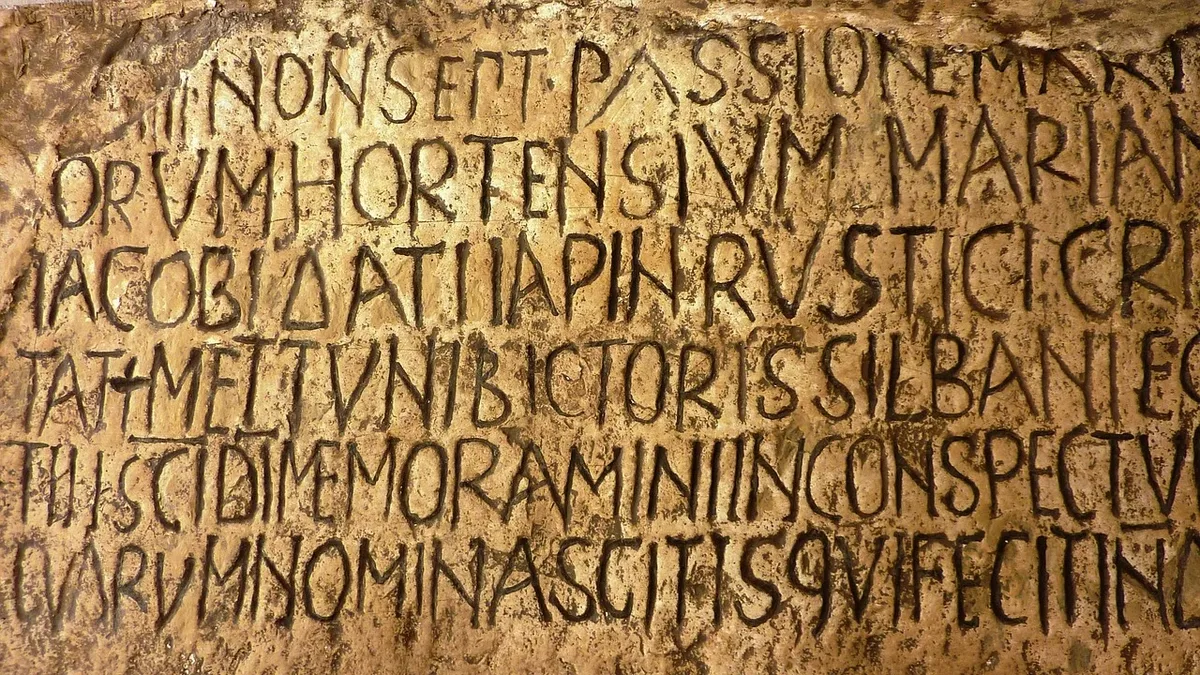
Archaeologists have uncovered a monumental stone inscription at the Roman thermal complex in Fortuna, Spain. The find may date to the reign of Augustus and offers new insights into Roman imperial presence in the region.
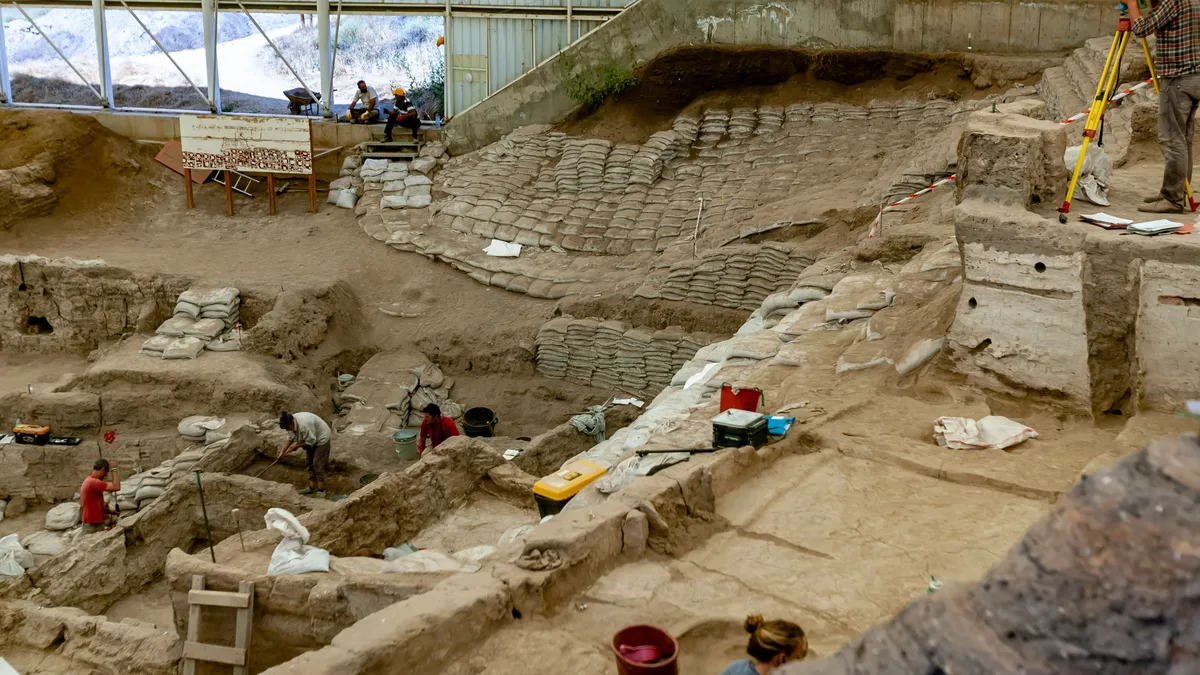
The discovery occurred during excavations directed by historian Gonzalo Matilla of the University of Murcia. The team found the ashlar block, nearly 1.2 meters long, reused in a later wall in the northern part of the baths. Its current position does not indicate its original location. The Roman Baths of Fortuna are one of the most important thermal sites in Roman Murcia and have been protected as a Bien de Interés Cultural since 2016. The current excavation project is funded by the regional government of Murcia, which allocated €150,000 to excavate, document, and recover the ancient structures.
Fortuna Mayor Catalina Herrero visited the excavation alongside Murcia’s Director General of Cultural Heritage, Patricio Sánchez, and Culture Councillor Juan Manuel Soler. Sánchez described the find as significant both for its dimensions and for the historical information it could provide.
Physical Characteristics and Dimensions
The surviving fragment of the inscription is 23 centimeters high. Archaeologists estimate the original inscription extended at least 4.8 meters in length. The stone block itself measures approximately 90 centimeters.
The inscription features lettering in two distinct sizes.
| Feature | Measurement |
|---|---|
| Surviving letter height | 23 cm |
| Estimated original length | 4.8 m |
| Stone block length | 90 cm |
| Smaller lettering size | 13 cm |
Experts suggest the scale points to a major public monument. "It may have been a commemorative inscription related to a monumental architectural work, although its exact function still needs to be determined," they said.
Historical Context and Significance
The inscription dates from the end of the 1st century BC to the 1st century AD, possibly during the period of Augustus, who ruled from 27 BC to AD 14. It is one of only three comparable monumental inscriptions known in the Region of Murcia. The other two are located in Carthago Nova, modern Cartagena.
This rarity shows the find's importance for understanding monumental architecture and epigraphic practice in Roman southeastern Spain. The ashlar's reuse as building material in antiquity indicates it was part of a larger phase of construction at the baths. Archaeologists from the University of Murcia have been studying the thermal complex for years.
The ashlar has been transferred to the Archaeological Museum of Murcia for study, documentation, and conservation.