Kikai-Akahoya eruption reshaped prehistoric Japan's population
A new study reveals the 7,300-year-old Kikai-Akahoya volcanic catastrophe triggered complex and varied population responses across Japan.
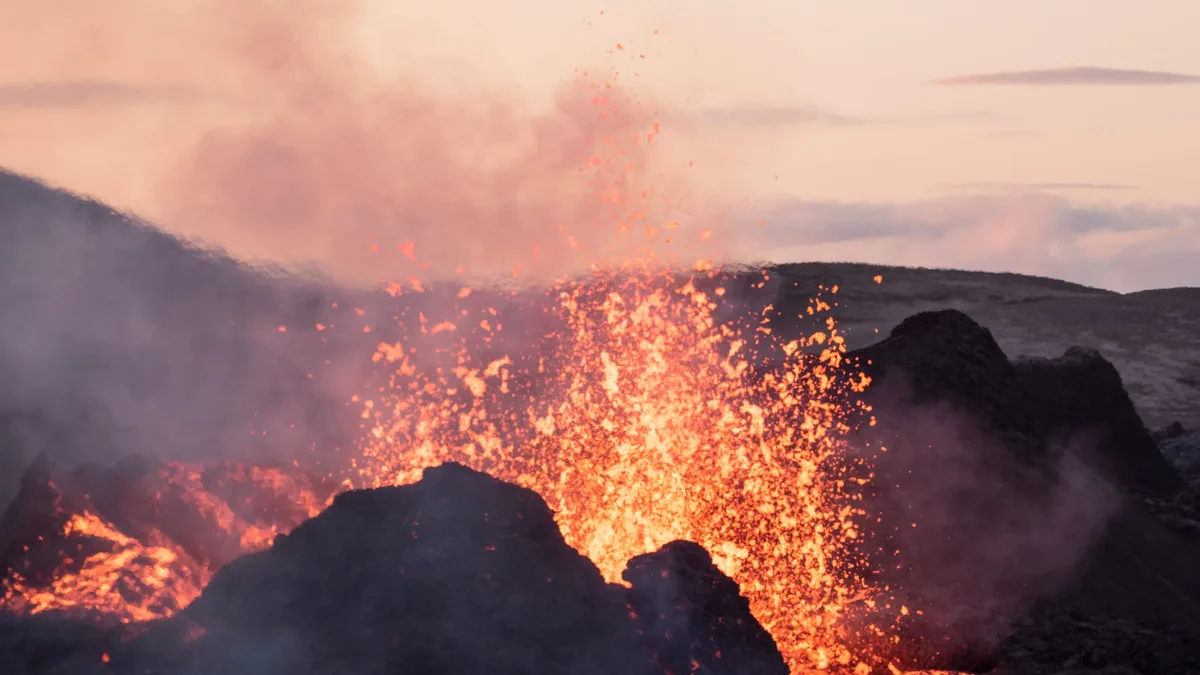
The massive Kikai-Akahoya eruption 7,300 years ago triggered complex population changes across Japan. New research shows some Jomon hunter-gatherer communities collapsed while others, particularly in northern Kyushu, grew significantly in the aftermath. The study, published in Science Advances in 2026 by a team including Enrico Crema of Cambridge University and Peter Jordan of Lund University, challenges simplistic narratives of disaster impact.
The colossal eruption, one of the largest in the last 11,700 years, occurred beneath the sea. It devastated southern Kyushu with powerful earthquakes, huge tsunamis, and a landscape buried under meters of volcanic ash. Ecosystems were severely damaged, rendering some regions uninhabitable. Southern Kyushu experienced a population collapse, though the Jomon population there was already shrinking before the catastrophe. The event may have caused short-term climate change and impacted human health, while ash-covered ground led to severe tooth wear in deer and wild boar, reducing food availability.
Differential regional responses and population trajectories
While southern Kyushu suffered, other areas saw different outcomes. Survivors migrated from severely affected regions to less impacted zones, including the northern coast of Kyushu. Marine ecosystems in these northern coastal areas recovered quickly, providing abundant food resources that supported sustained population growth. Northern Kyushu saw continued growth through and after the eruption, likely fueled by this influx of refugees.
In contrast, distant parts of Japan that had been growing experienced stalled or reversed population trends after the eruption. Researchers suggest possible causes include climate disruptions triggered by the event and the reduced availability of game, as evidenced by the tooth wear found in deer and boar populations far from the volcano.
Human adaptation and social innovation
The disaster prompted major loss of life and survivor migration, but also spurred innovation. Lead author Enrico Crema states the catastrophe forced survivors to forge new social relations and develop new kinds of economy. This demonstrates that human communities can respond in diverse ways to catastrophic events. The research used statistical models to track population changes across the Japanese archipelago before and after the eruption, accounting for long-term trends.
The study fundamentally challenges the old view of the Kikai-Akahoya eruption as a single event that uniformly changed Japanese prehistory. It reveals a mosaic of regional responses. Senior author Peter Jordan, an archaeology professor at Lund University, notes the aftermath was unpredictable, hinging on human choice and adaptation. The research concludes that the varied regional outcomes following the Kikai-Akahoya eruption demonstrate the diverse potential of human community responses to catastrophe.