Neanderthal Shoulder Blade Reveals 75,000-Year-Old Spear Wound
A 75,000-year-old Neanderthal fossil from Shanidar Cave shows a fatal spear wound, offering the oldest evidence of lethal interpersonal violence with a wooden weapon. The same individual had survived a severe facial injury years earlier, indicating long-term care from their group.
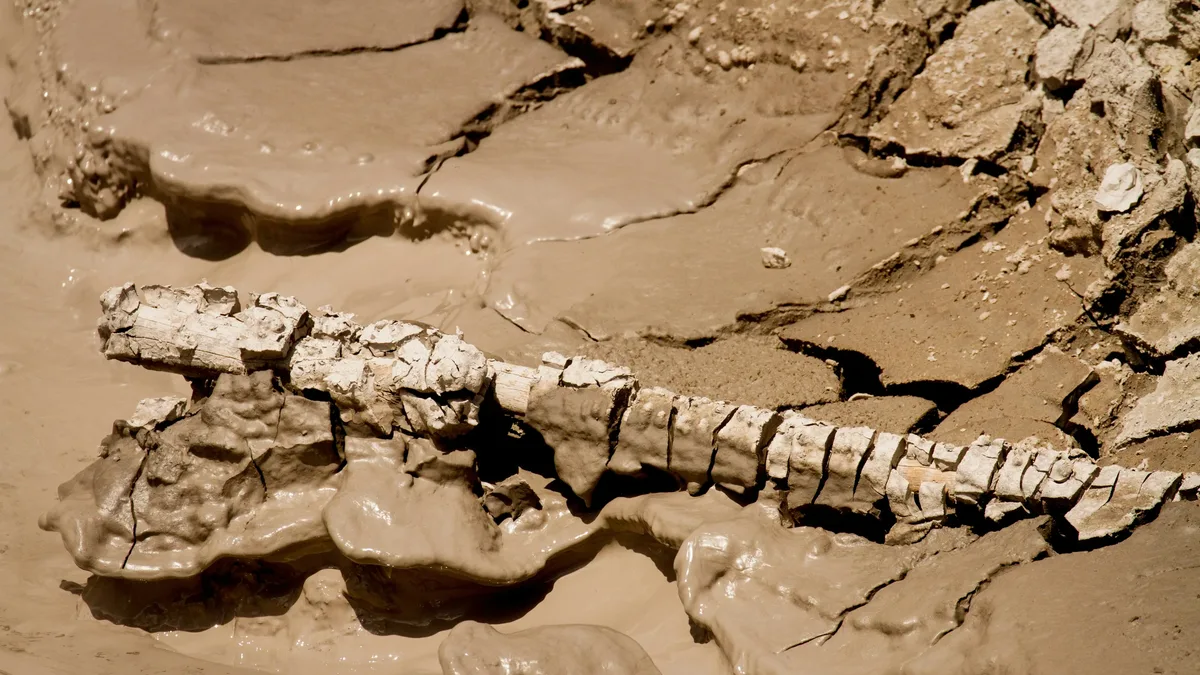
A 75,000-year-old Neanderthal shoulder blade from Shanidar Cave in Iraqi Kurdistan bears a 15mm circular hole consistent with a wooden spear wound. Archaeologists believe the weapon pierced the chest and caused a rapidly fatal injury.
The remains, named Shanidar A, belonged to an adult Neanderthal who was about 45 years old at the time of death. Researchers from the University of Cambridge examined the nearly complete left shoulder blade. The round hole's characteristics differ from damage expected from stone or flint tips. The weapon entered the front of the left side of the chest, passed through the lung and probably major blood vessels, and then pierced the shoulder blade from behind. Bevelled edges and displaced small bone fragments indicate it was likely an exit wound from a downward strike.
A survivor of earlier trauma
The same individual, Shanidar A, had survived a severe facial injury years before death. One lower incisor was split vertically, and neighbouring teeth had shifted inward from a powerful blow. A substantial layer of tartar had formed on the exposed root canal of the broken tooth. This indicates the Neanderthal lived for at least a year after the trauma, and possibly longer. Scientists believe the pain and difficulties with eating and communication meant Shanidar A may have needed support from other group members, including access to softer food.
Context and interpretation
The spear wound's position and force are interpreted as hallmarks of a deliberate strike aimed at the heart. Researchers state that violence between Neanderthals is the simplest explanation consistent with the evidence. If correct, this may be the oldest known evidence of fatal interpersonal violence involving a wooden spear. They allow for the possibility of an accident while hunting large animals. Scientists cannot determine the exact circumstances of the death or who inflicted the blow.
Burial practices at Shanidar Cave
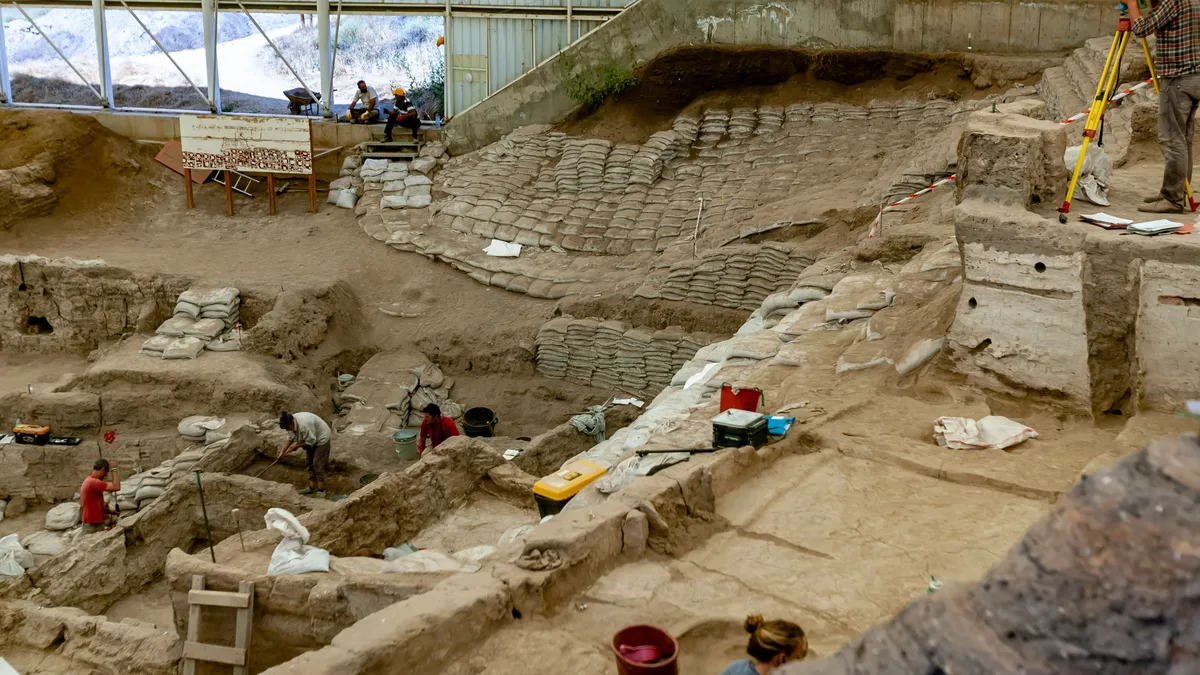
Shanidar A was discovered in 2020 within a cluster of remains of five Neanderthals-four adults and an infant. The cluster was found in a confined space behind a large vertical boulder, measuring approximately 1.5 meters long, one meter wide, and one meter deep. Shanidar A was at the greatest depth and may have been the first individual placed there, positioned on its back with the head pointing east. Thin layers of sediment between the remains indicate the bodies were placed there at different times. The discovery suggests Neanderthals returned to the same location to bury their dead, possibly within years or decades.
The findings, which also include an almost complete right hand, ribs, and seven teeth alongside the shoulder blade, were published in Scientific Reports in 2026. The research was led by Dr. Emma Pomeroy from Cambridge's Department of Archaeology, with excavations at Shanidar Cave led by Prof Graeme Barker. These discoveries reshape our understanding of Neanderthal social complexity, juxtaposing evidence of lethal violence with clear signs of compassionate, long-term care.