COVID-19 reactivates dormant viruses, study shows
A large study shows that severe COVID-19 can wake dormant viruses such as EBV, CMV, HSV and anelloviruses, with reactivation linked to long-COVID disability. The research followed 1,154 hospitalized patients for a year and found that 550 had at least one virus flare. The findings suggest that viral reactivation may add to inflammation and raise urgency for antiviral research.
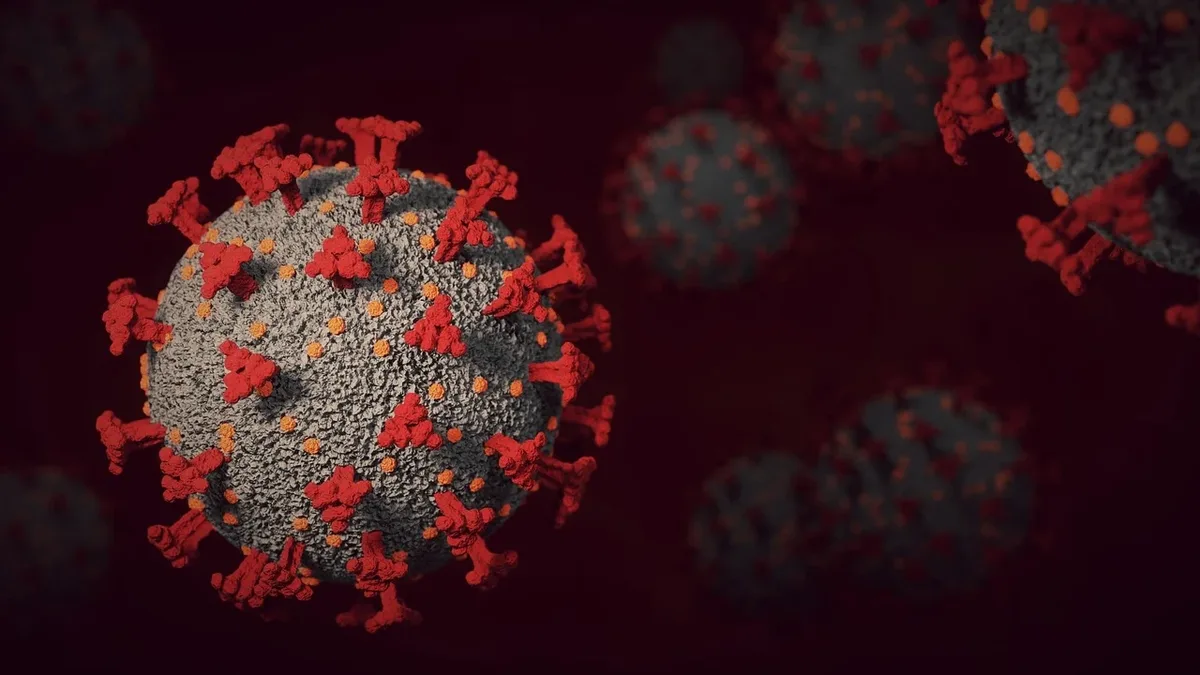
A recent study published in Nature reports that severe COVID-19 can awaken dormant viruses in the body, even in people with otherwise healthy immune systems. The research followed 1,154 adults who had been hospitalized with COVID-19 for a full year, collecting blood, nasal swabs and, for ventilated patients, lung fluid at six points during the first month and then at 3, 6, 9 and 12 months. The study was reported on Aug. 5 by Live Science, written by Clarissa Brincat.
The team tested for viral RNA, a sign that a virus is active, and found that many dormant viruses re-emerged during the acute infection. The viruses that re-activated included Epstein-Barr virus (EBV), cytomegalovirus (CMV), herpes simplex virus (HSV) and anelloviruses. Anelloviruses are found in the vast majority of people but have never been definitively linked to disease. In this study, reactivation of anelloviruses was associated with persistent physical disability from long COVID.
Viral Reactivation Patterns
The study documented that nearly half of the patients-550 out of 1,148-had at least one virus flare. Each virus followed its own timeline. EBV and anelloviruses appeared early in the course of infection, while CMV and HSV appeared later. The researchers also replicated their main findings in a separate group of patients whose blood samples were included in a Mount Sinai biobank.
The data suggest that severe COVID-19 can cause a widespread viral reactivation that occurs even when the immune system is not weakened.
Implications for Long COVID
After the acute infection passed, a subset of patients developed debilitating long-COVID symptoms such as fatigue and reduced ability to perform everyday tasks. In these patients, anelloviruses were more likely to remain active after the acute phase. The study’s authors note that the link between virus reactivation and worse clinical outcomes is a correlation, not proof of causation. Dr. Esther Melamed, a neuroimmunologist at the University of Texas at Austin and co-author of the paper, said that the next step is to conduct prospective interventional trials to test whether antiviral medications for these reactivating viruses could improve outcomes for people with severe COVID-19 and long COVID.
The idea that herpesviruses can reactivate in healthy people is not new. Astronauts and Antarctic researchers-who are rigorously screened and generally healthy-have been shown to shed multiple herpesviruses during periods of acute physical and psychological stress. According to Dr. Cliffe, a microbiology professor at the University of Virginia who was not involved in the study, viral reactivation may happen when the immune system redirects its attention to a huge stressor such as a severe infection. When the immune guard steps away, dormant viruses can wake and replicate.
How Stress Triggers Reactivation
Dr. Melamed explains that viruses hide in different cells across the body, and the immune system normally keeps them in check. When the body encounters a large stressor, the immune system must focus elsewhere, giving viruses an opportunity to reactivate. Dr. Cliffe added that inflammatory signals produced during illness can directly wake HSV-1 from latency in neurons. Her lab found that the cytokine IL-1 triggers HSV-1 activation by making neurons super-excitable, while other studies have shown that IL-6 can have a similar effect in animal models.
The study’s authors also addressed a key limitation: detecting viral RNA shows that a viral gene is active but does not prove the presence of infectious particles. To strengthen their evidence, they found both RNA of EBV and antibodies against it, as well as higher numbers of specific immune cells that EBV is known to hide in.
The next step, as Melamed said, is to test whether antiviral treatments for these reactivating viruses could help improve outcomes for people with severe COVID-19 and long COVID. The study’s findings underscore the urgency of better understanding anelloviruses and developing antivirals for them.