Odyssey Fragment Found in Dutch Library Collection
A researcher has identified a 1,700-year-old parchment fragment from Homer's Odyssey within a Dutch university's collection of Egyptian manuscripts.
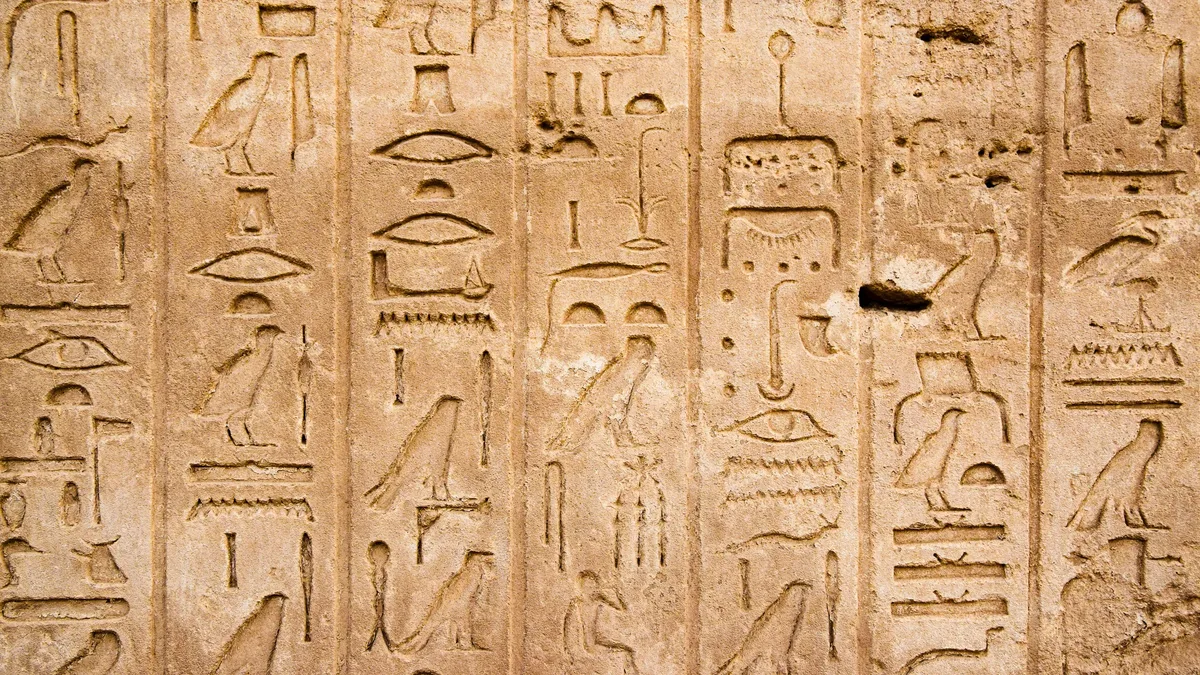
A 1,700-year-old fragment of Homer's Odyssey has been identified in a Dutch library. Mark de Kreij, a professor of Greek literature at Radboud University, found the parchment while studying early Christian manuscripts purchased by Utrecht University in the mid-20th century.
De Kreij recognized the text among a collection of Egyptian and Greek materials. The fragment measures about 2.6 by 3 inches (6.6 by 7.7 centimeters). It dates to around A.D. 300 and is believed to be from a pocket-sized codex produced in Egypt's Fayum oasis.
The Discovery in Context
This marks the second such find this year. Archaeologists in Egypt discovered papyrus fragments of Homer's Iliad inside a Roman-era mummy this past spring. Both epics were composed in the late eighth or early seventh century B.C. Only about 30 similar Odyssey fragments from this period are known to exist.
The fragment survived, de Kreij suggested to Dutch News, possibly because it came from the middle of the book and was protected by other pages. It is unclear how the piece ended up in the larger collection of Egyptian texts. De Kreij's full study of the university's Greco-Roman texts from Egypt will be published soon in a book.
The Text on the Fragment
The parchment contains verses from Book 12 of the Odyssey. These lines describe a key moment: the sun god Helios discovering that Odysseus' men have killed and eaten his sacred cattle. Odysseus had been warned by the goddess Circe to avoid Thrinacia, Helios's island. His crew landed there after surviving the monsters Scylla and Charybdis.
After a month of storms and dwindling supplies, the men, led by Eurylochus, slaughtered the immortal cattle. Helios then asked the gods for vengeance. Zeus destroyed their ship, killing all but Odysseus. "There are so many boring parts in the Odyssey," de Kreij told RTV Utrecht. "This happens to be a really fun passage."
Archaeological Significance
The find highlights the ongoing discovery of classical texts in unexpected contexts. The fragment's origin in a third or fourth-century A.D. Egyptian codex provides evidence for the continued circulation and study of Homeric epic in the late Roman period. Its survival among a collection of Egyptian texts shows the mixed cultural and literary landscape of the era.
The identification was made public in a September 14 statement from Utrecht University. De Kreij first discovered the fragment in 2024 while conducting his research.