Genetic Data Challenges Traditional Views of Women's Roles in Prehistory
New genetic data is upending the long-held assumption that women in prehistory wielded no power, revealing a more complex pattern of gender roles in the past.
The field of archaeology is undergoing a revolution as the science of ancient genomics is integrated into the study of humanity. For over 150 years, leading archaeologists have assumed that women of the past never assumed roles of power. However, new genetic data is challenging this traditional view, revealing that women may have played a more significant role in prehistoric societies than previously thought.
The Misidentification of Women's Roles
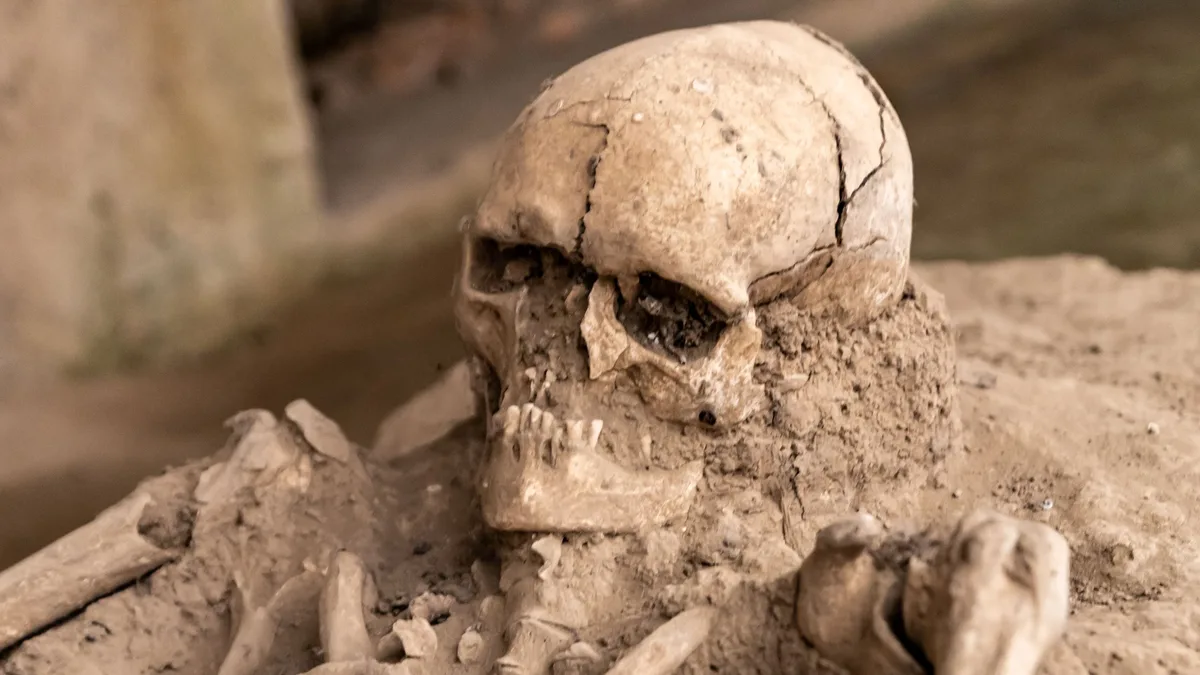
The misidentification of women's roles in the past is not a new phenomenon. In 1801, a 4,000-year-old grave near Stonehenge was excavated, and the remains inside were identified as those of a man. It wasn't until ancient-DNA analysis was conducted that it was revealed that the skilled goldsmith was actually a woman. This discovery is just one example of how DNA science is revealing a more complex pattern of gender roles in our prehistoric past.
Challenging Traditional Views
Traditional views of women's roles in prehistory are hard to shed. In 2017, when analyses revealed that a Viking warrior leader was a woman, some challenged the science, while others questioned the interpretation of the findings. The assumption that past societies were typically male-dominated only emerged in the late 19th century. However, ancient historians of the 1860s recognized numerous accounts of political and war-waging women in classical texts, proposing that patriarchal societies became more typical around the time of the ancient Greeks.
New Evidence and Perspectives
New evidence from genetic data is challenging traditional perspectives on women's roles in prehistory. In 2025, a team of scientists revealed evidence for female lineages at Neolithic Çatalhöyük, suggesting that inheritance worked through the female line. This discovery was a surprise, but perhaps it shouldn't have been. The evidence for female lineages at Çatalhöyük opens up the possibility that the Neolithic agricultural revolution may have been linked to female land rights.
The picture of prehistoric societies is becoming clearer, with evidence of both male-focused and female-focused societies. The challenge is to remain objective and expect the unexpected. As the science of ancient genetics continues to evolve, our understanding of women's roles in prehistory will likely become even more nuanced.
| Site | Date | Evidence of Women's Roles |
|---|---|---|
| Stonehenge | 2000 BC | Female goldsmith |
| Birka, Sweden | 10th century AD | Female Viking warrior leader |
| Neolithic Çatalhöyük | 7000-6000 BC | Female lineages and inheritance |
| Hazleton North long barrow | 3700-3600 BC | Neolithic polygyny |
| Orkney | Bronze Age | Descent traced through male line |
| Late Iron Age Dorset | 1st century BC | Matrilocality and matrilineal descent |
| Yorkshire | 3rd century BC | 13 generations of matrilineal descent |