Roman gold coin hoard in Luxembourg dated to 395 A.D
A study of a 141-coin Roman gold hoard found in Luxembourg dates its burial to 395 A.D. and reveals an unusual concentration of coins minted in Anatolia.
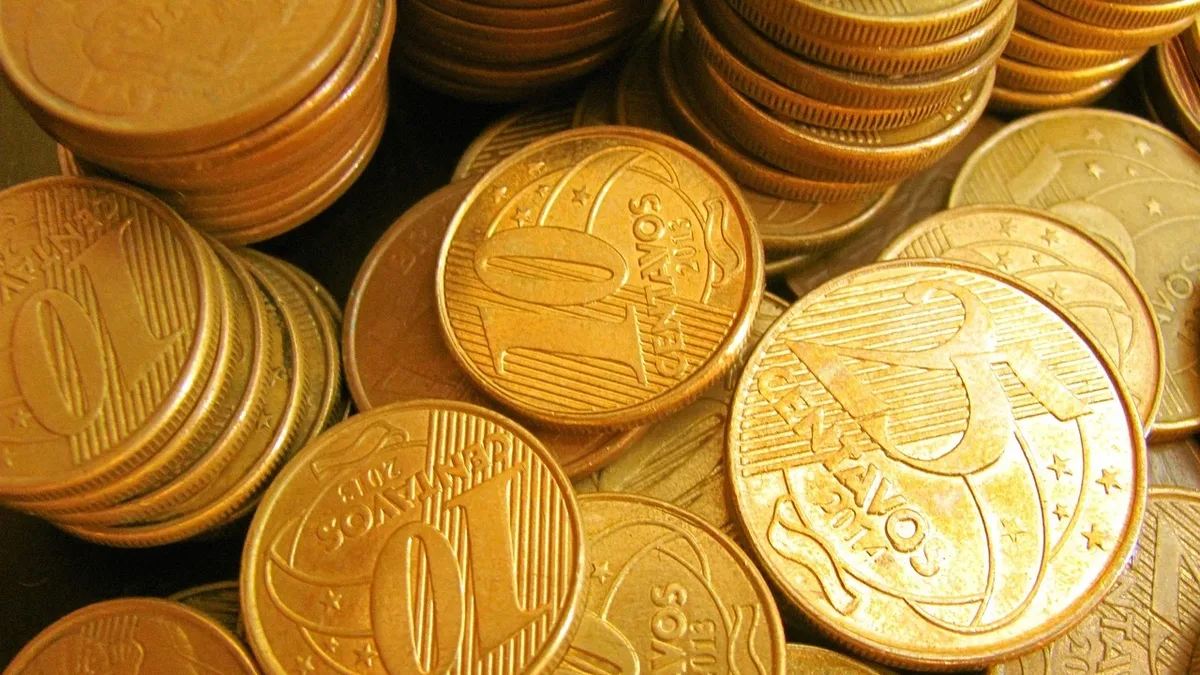
A detailed study of a unique hoard of 141 Late Antiquity gold coins, discovered in Holzthum, Luxembourg, in 2019, has pinpointed its likely burial date to 395 A.D. The analysis, published in Schweizer Münzblätter, highlights an unusually large proportion of coins originating from the Roman mint in Nicomedia, Anatolia.
Metal detectorists first located 39 of the coins and reported them without excavation. The National Institute for Archaeological Research (INRA) of Luxembourg then led a four-year excavation of the site. The work proceeded slowly because the field was littered with unexploded ordnance from World War II, requiring archaeologists to work alongside explosives experts from the Luxembourg Army Mine Action Service (SEDAL).
Coin Composition and Eastern Origins
Conservation and documentation concluded at the end of 2024, allowing for numismatic comparison with other regional hoards from the Benelux countries and western Germany. The study focused on 139 regular coins, excluding two fragmentary plated pieces.
Seventeen coins, representing 12.2 percent of the regular hoard, were struck in Nicomedia between AD 364 and 367. Researchers David Wigg-Wolf, David Weis, and Lynn Stoffel state this concentration is exceptional. According to their analysis, the Coin Hoards of the Roman Empire database contains no comparable regional hoard with such strong representation from that Anatolian mint.
Tracing Imperial Movement
The researchers propose a connection to Emperor Valentinian I, who was proclaimed Augustus at Ancyra (modern Ankara) in AD 364. They suggest eastern solidi could have travelled west with Valentinian and his army as they moved toward Italy and later into Gaul. The Holzthum coins may therefore be a material trace of money moving thousands of kilometres with the Roman state's machinery.
Coins minted in Constantinople between 383 and 388 A.D., and at Sirmium between 394 and 395 A.D., might also have moved west with Roman troops. This movement could be linked to events following Theodosius I's defeat of the usurper Eugenius at the Battle of the Frigidus in 394 A.D. The hoard contains three very rare coins of Eugenius, who ruled the Western Roman Empire for only two years.
Investigating Irregular Coins
The two excluded plated coins were also examined. Both are of the RESTITVTOR REIPVBLICAE type. Based on portrait style, one is probably an ancient imitation. The other has an unusually dark surface, suggesting it may contain substantial quantities of silver or tin instead of fine gold. Researchers note that metal analysis is required to confirm its composition.
The study provides a clear snapshot of currency in motion at the end of the fourth century. The mix of mints and the proposed military connections illustrate the long-distance movement of wealth and personnel in the late Roman Empire.