Rare 4,000-year-old stone cist grave excavated in Halden, Norway
A rare 4,000-year-old stone cist grave has been professionally excavated in Halden, Norway, one of only about 20 known in the country.
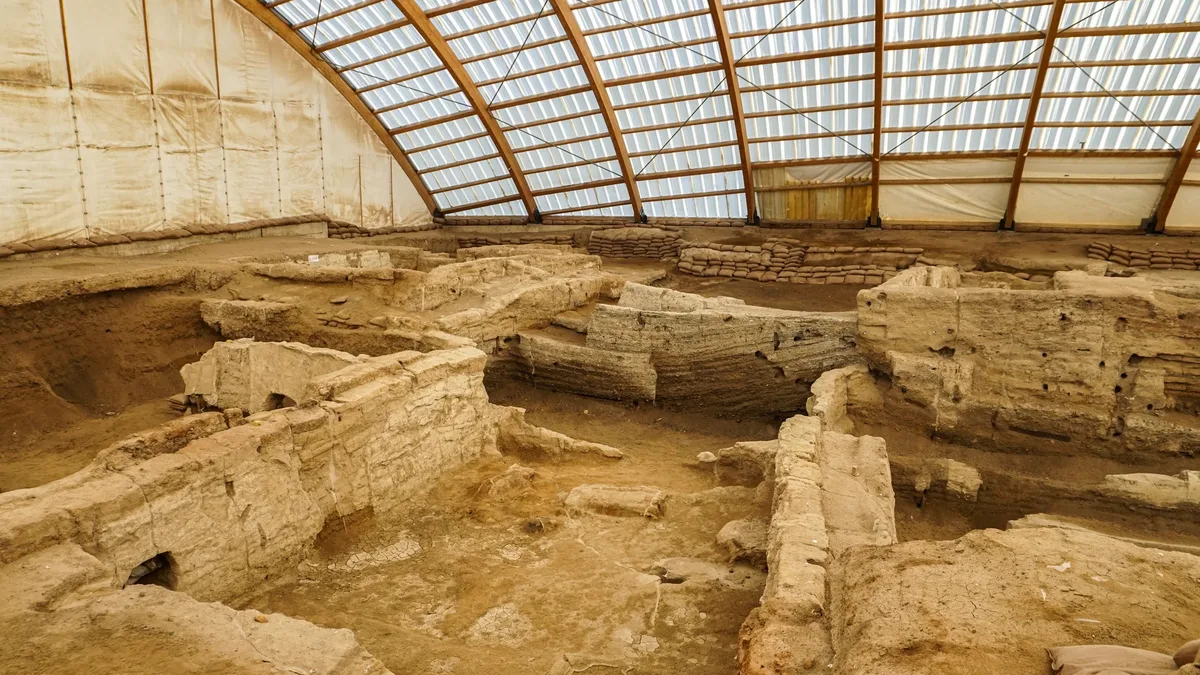
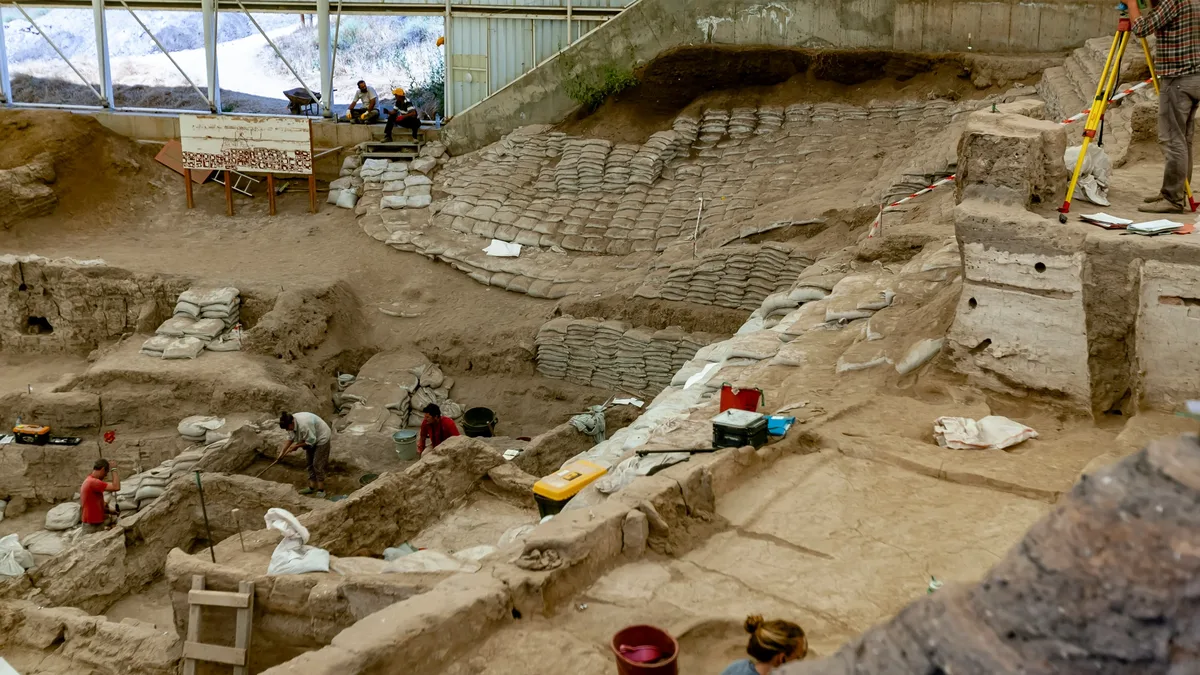
Archaeologists have uncovered a stone cist grave on the Svinesund plateau in Halden, Norway, during excavations ahead of industrial development. The tomb was discovered just a few miles from the Swedish border in an area slated for a new industrial park. "It was only when they removed some of the stones that they saw the stone slab sides of a cist grave."
Age and construction
Researchers believe the tomb could be approximately 4,000 years old, placing it around the end of the Stone Age or beginning of the Bronze Age. This estimate is based on comparisons with similar discoveries; scientific dating analyses are not yet complete.
The Halden tomb, known in Norwegian as a hellekiste, was constructed using large stone slabs weighing hundreds of pounds. These slabs were neatly placed and carefully wedged for stability, creating an in-ground coffin. Smaller, smooth stones were arranged to form a floor inside the tomb.
Contents and comparison
The grave contained an amber bead, an arrowhead, and a fragment of cord-marked pottery. No traces of human remains were found inside. Notably, the cist contained no flint dagger. Flint daggers have been found in every such grave from the same periods in Norway. Archaeologists believe the deceased was likely a local resident, possibly a farmer.
Comparable cist graves in the region have contained skeletal remains of young men, some with battle injuries, buried with daggers and arrowheads. The Halden find, with its arrowhead but no dagger, presents a different picture. A small amount of charcoal was also found, which may help determine age and burial practices. This charcoal could originate from the time of construction or indicate a later cremation, leading archaeologists to consider if the grave represents a combination of ordinary burial and cremation.
Significance and rarity
This is the first stone cist grave in Norway to be excavated by professional archaeologists. Such finds are exceptionally rare in the country. Only around 20 stone cists have been found in Norway, a stark contrast to the thousands known in neighboring regions.
| Country | Approximate Number of Known Stone Cists |
|---|---|
| Sweden | About 2,000 |
| Norway | About 20 |
| Denmark | About 150 |
Gallery graves were used from the end of the Stone Age to the beginning of the Early Bronze Age. The discovery on the Svinesund plateau was made in an area where such finds might be expected, yet their scarcity in Norway makes each one critically important.
Future analysis and fate
With no biological material recovered, archaeologists are extracting DNA from soil samples collected during the excavation. "The body has decomposed, but the soil it decomposed into is still there and still retains traces of DNA." This analysis could provide clues about the deceased's identity and burial context. Burned bone remains, if present, could also provide a precise date for any cremation event.
The Cultural History Museum is now discussing the fate of the cist with Østfold County Council. The debate centers on whether to leave the structure in situ for public visitation or to recover and reconstruct it inside a museum. Several university projects are currently examining skeletal remains from other gallery graves to obtain more definitive answers about this burial tradition. Archaeologists are extracting DNA from soil samples to investigate the deceased’s identity and burial context.