Tomb of the Stone Chamber discovered at Vulci with high-status grave goods
Archaeologists have confirmed the discovery of a monumental 7th-century BCE Etruscan tomb at Vulci, Italy.
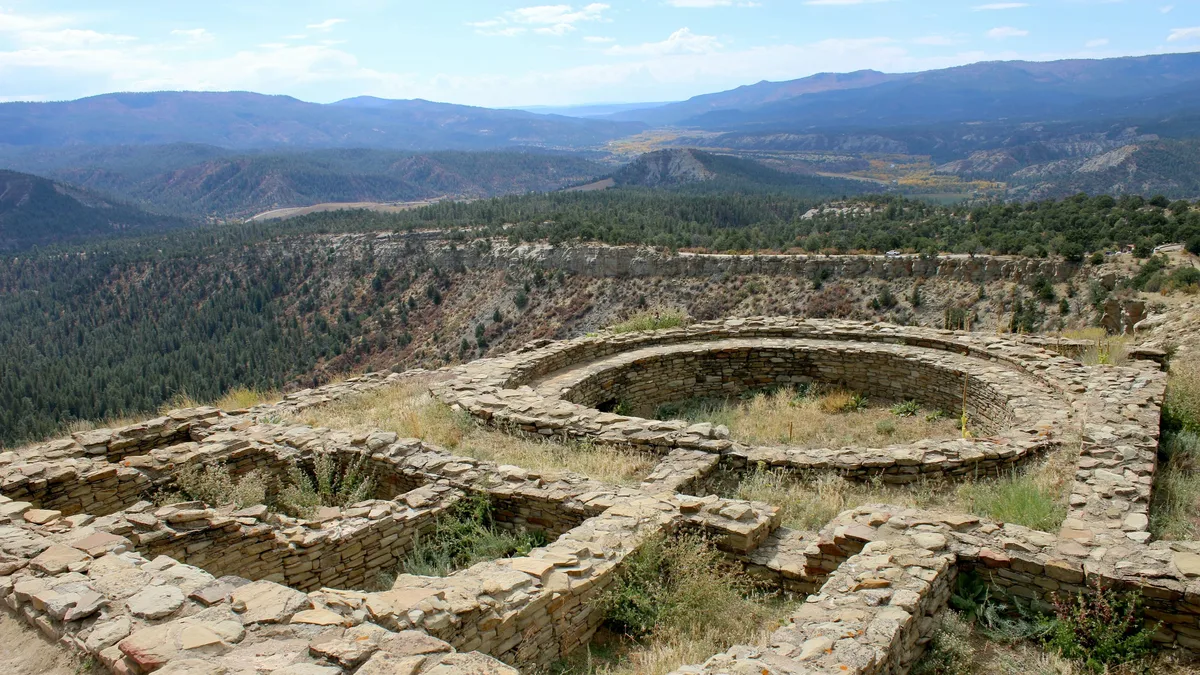
The Return to Vulci project has identified the long-sought burial chamber within the Gsell tumulus at the Polledrara necropolis. The team uncovered the Tomb of the Stone Chamber during its 2026 excavation campaign at the ancient Etruscan city north of Rome. This discovery confirms the target of 19th-century French archaeologist Stéphane Gsell, who in 1889 identified the large circular burial mound and reconstructed its perimeter but stopped excavating due to a lack of time and funding.
The tomb dates to the late seventh century BCE, making it approximately 2,700 years old. It lies within the monumental Gsell Tumulus. Christian Mazet, an archaeologist at the British Museum and co-director of the Return to Vulci project, stated the team is absolutely certain they have found the burial chamber. "This is the burial. We are absolutely certain of it," Mazet said. The tomb and mound have been covered to preserve them, with research planned to continue in 2027.
Exceptional preservation reveals elite funerary practices
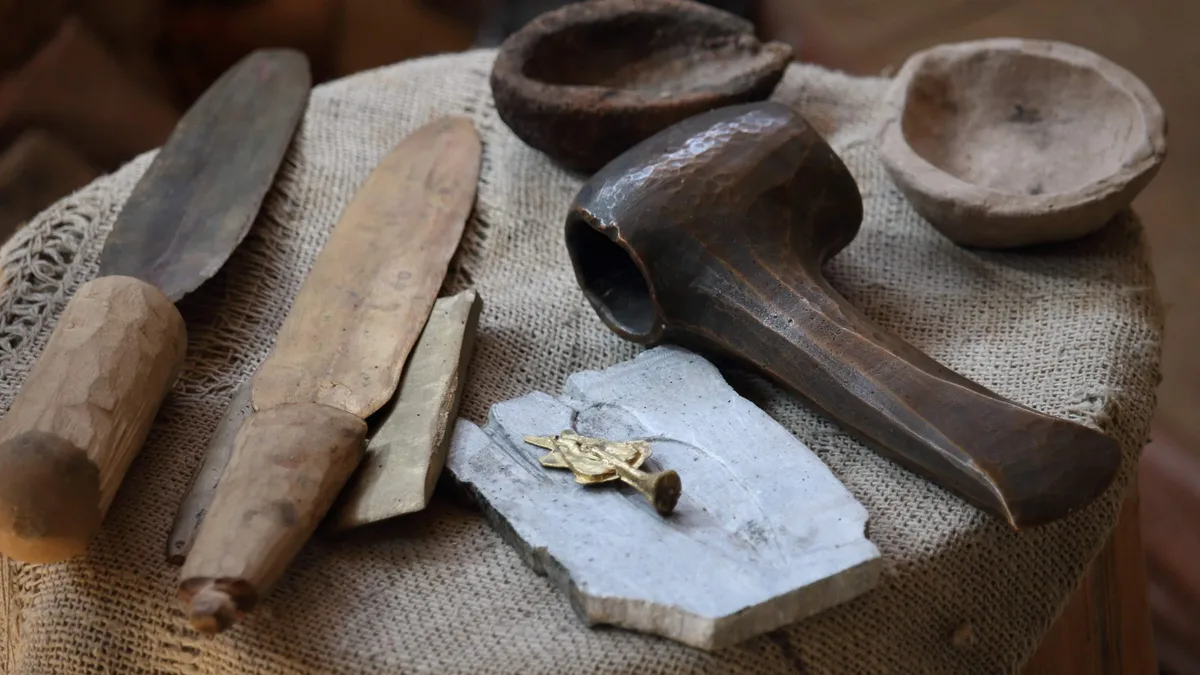
Despite repeated looting attempts over centuries, the tomb retained a significant collection of funerary items. The burial contained weapons, chariot fittings, gold and bronze objects, bone and ivory artefacts, and high-quality ceramics. A rare pair of women's shoes was also found. An almost complete banquet set was discovered, with some vessels still in their original positions after centuries underground.
The side chambers contained an important banquet service made from Polledrara Ware, a rare local polychrome pottery used by Vulci's leading families. This service included dinoi for mixing wine and water, cups, other vessels for holding liquids, and a grater associated with wine preparation. A large polychrome ceremonial cup in the Ionian Wild Goat Style was recovered. The tomb also contained Corinthian pottery and bucchero wares. A bronze tripod, made on the Greek island of Rhodes, was found associated with a lamp made of alabaster gypsum, probably of Aegean origin.
Tomb ranks among Vulci’s most significant burials
Based on the quality and quantity of grave goods, experts describe the tomb as of the very highest rank. Christian Mazet stated that the weapons, chariot parts, gold items, and high-quality ceramics indicate the highest status of the burial. He described the tomb as one of the most monumental at Vulci. The official Italian Superintendency described the discovery as particularly important for understanding the aristocracy of Vulci at the end of the seventh century BCE.
The tomb's architecture and contents indicate exceptional status within Vulci's society. The cup has very close parallels among grave goods from the Tomb of Isis, a famous burial discovered in 1839 now associated with the British Museum. Similarities between the two tombs could help investigators study funerary rituals, artistic production, and exchange networks among Vulci's elites.
Discovery fits Vulci’s peak era and ongoing research
The discovery dates to a period when Vulci was experiencing one of its most prosperous phases and maintaining intense Mediterranean connections. The Etruscan cemetery at Vulci is known for thousands of wealthy tombs discovered in the 19th century. Indigenous Etruscans ruled central Italy for several centuries before declining in the fourth century B.C. Due to the rise of Roman civilization. Their language is only partly understood today.
The tomb has three burial chambers with preserved artifacts beneath collapsed roofs. The walls of the main chamber are built from large blocks of nenfro set into natural deposits associated with the ancient course of the Fiora River. Initial calculations by the Return to Vulci project suggest the Tomb of the Stone Chamber may be similar in size to Vulci’s largest burial mound, the Cuccumella, or possibly larger. A comparison of the estimated tumulus sizes is below.
| Tumulus | Estimated Diameter |
|---|---|
| Gsell Tumulus (Tomb of the Stone Chamber) | Approximately 31 meters (102 feet) |
| Cuccumella | Approximately 70 meters (230 feet) |
Gsell estimated the tumulus diameter at around 102 feet, calling it a 'new Cuccumella'. Preliminary calculations by the team suggest the tomb may be considerably larger than previously believed, though full dimensions require further work. Research is planned to continue in 2027 to fully assess the tomb’s dimensions and significance.