American Cultural Resources Association
| Focus | Cultural resource management |
|---|---|
| Scope | Professional association |
| Membership | Practitioners and firms |
| Services | Advocacy and standards |
| Activities | Conferences and training |
| Key issues | Legislation and ethics |
Overview
Its membership primarily consists of firms and individuals engaged in the identification, evaluation, and management of archaeological and historical resources. The association operates as a central advocate for the business and regulatory interests of the private-sector CRM community. It focuses on issues related to federal and state historic preservation laws, contracting practices, and professional standards. The organization provides a collective voice for consultants who work on projects subject to compliance with legislation like the National Historic Preservation Act. Its activities are fundamentally tied to the regulatory framework that requires archaeological and historical investigation prior to ground-disturbing projects.
History
The formation of the association was driven by the growth of the cultural resource management field as a distinct profession following key federal legislation. Its establishment marks the point at which private consulting in archaeology and history became a standardized industry with shared business concerns. The organization was created to address the specific needs of private CRM firms that differ from those of academic or governmental archaeologists. Its historical development parallels the increasing complexity of environmental review and compliance processes across the nation. The association's evolution reflects ongoing debates within the profession about standardization, ethics, and the role of commerce in heritage preservation. Its archives would document shifting priorities in heritage law and the professionalization of contract archaeology over several decades.
How it works today
The association functions as a trade group, conducting advocacy, networking, and information dissemination for its member firms and professionals. A primary mechanism is monitoring legislative and regulatory changes that affect cultural resource management practice at the federal and state levels. It organizes regular meetings and conferences where members discuss technical standards, business challenges, and regulatory interpretations. The organization often develops and disseminates model contracts and guidelines intended to standardize and professionalize business dealings in the CRM sector. It may issue position statements or provide testimony on proposed rules that impact the practice of historic preservation compliance. The internal structure typically involves committees focused on specific areas such as government affairs, academic relations, and ethics, driven by volunteer participation from member representatives.
Why it matters
Its advocacy shapes the practical application of preservation laws, influencing how compliance is achieved on thousands of projects annually. The organization plays a critical role in defining business norms and ethical standards for a field that operates at the intersection of commerce, regulation, and science. It provides a necessary counterpoint and collaborative partner to government agencies and academic institutions in shaping preservation policy. The collective expertise of its members informs best practices for mitigating construction impacts on cultural heritage. Its existence underscores that cultural resource management is a significant industry with economic and professional dimensions beyond pure academic research.
Common misconceptions
A common misconception is that the association is a scholarly or academic society focused primarily on archaeological research questions. In reality, its central mission revolves around business, regulatory, and practice management issues pertinent to CRM firms. Another misunderstanding is that it sets enforceable professional standards or licensing requirements for archaeologists, which it does not possess the authority to do. Some outside the industry may believe the organization opposes historic preservation regulations, whereas its work generally seeks to shape and clarify these regulations for its members' operational efficiency. It is also not a government agency or oversight body, but rather a private trade association representing the interests of its dues-paying members. Finally, its membership should not be conflated with the entire discipline of archaeology, as it specifically represents the for-profit consulting sector within that broader field.
Latest American Cultural Resources Association news
Latest reporting
Unique Saka gold bear ornament discovered in Almaty burial mound
Archaeologists in Kazakhstan have found a unique 4th-3rd century B.C. gold bear figurine in a looted Saka-era burial mound, offering new insights...
Earliest North American dwelling reveals dog domestication clues
Archaeologists have uncovered the oldest known dwelling in the Western Hemisphere at a 13,800-year-old site in Alaska, with evidence suggesting early...
Punín-2 Facial Reconstruction Reveals 3,000-Year-Old Andean Man
A digital facial reconstruction of the Punín-2 skull, from Ecuador's Andes, depicts an Indigenous American man who lived roughly 3,000 years ago.
Punin-2 Facial Reconstruction Reveals Indigenous American Features
A forensic facial reconstruction of the 3,000-year-old Punin-2 skull from Ecuador, created with local community input, shows clear Indigenous...
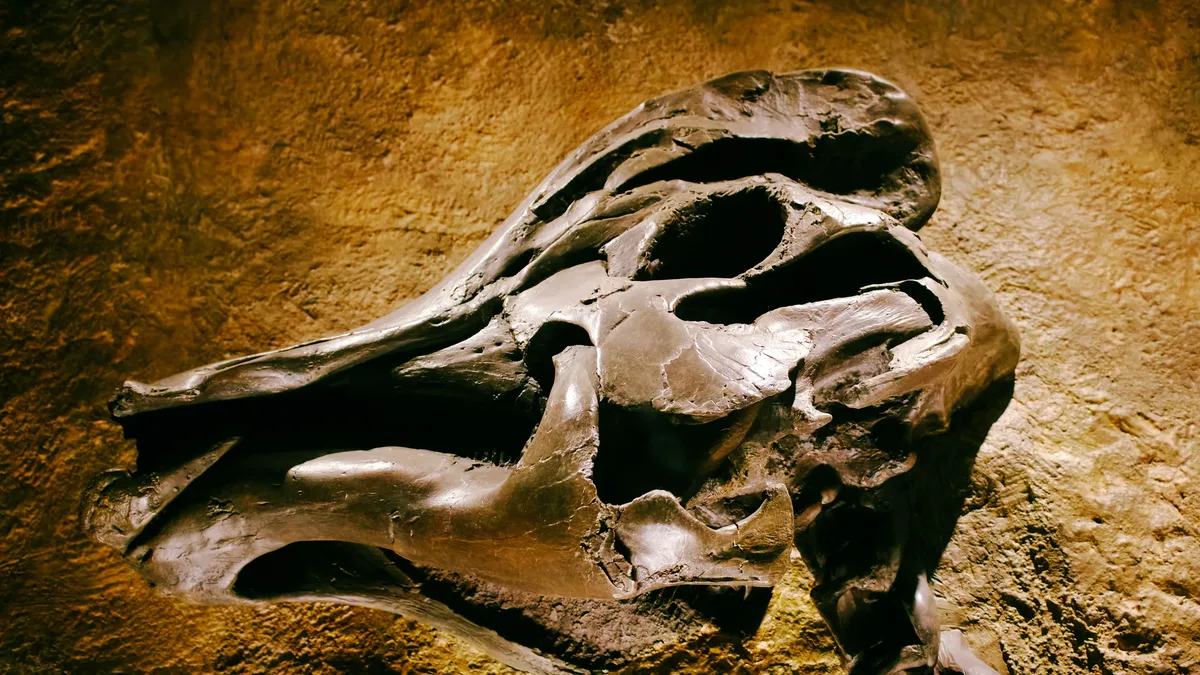
Dinodontosaurus isiyavamanda fossil links African and South American rocks
A 240-million-year-old dicynodont fossil from Tanzania, stored in London for over 60 years, is a new species that links African and South American...
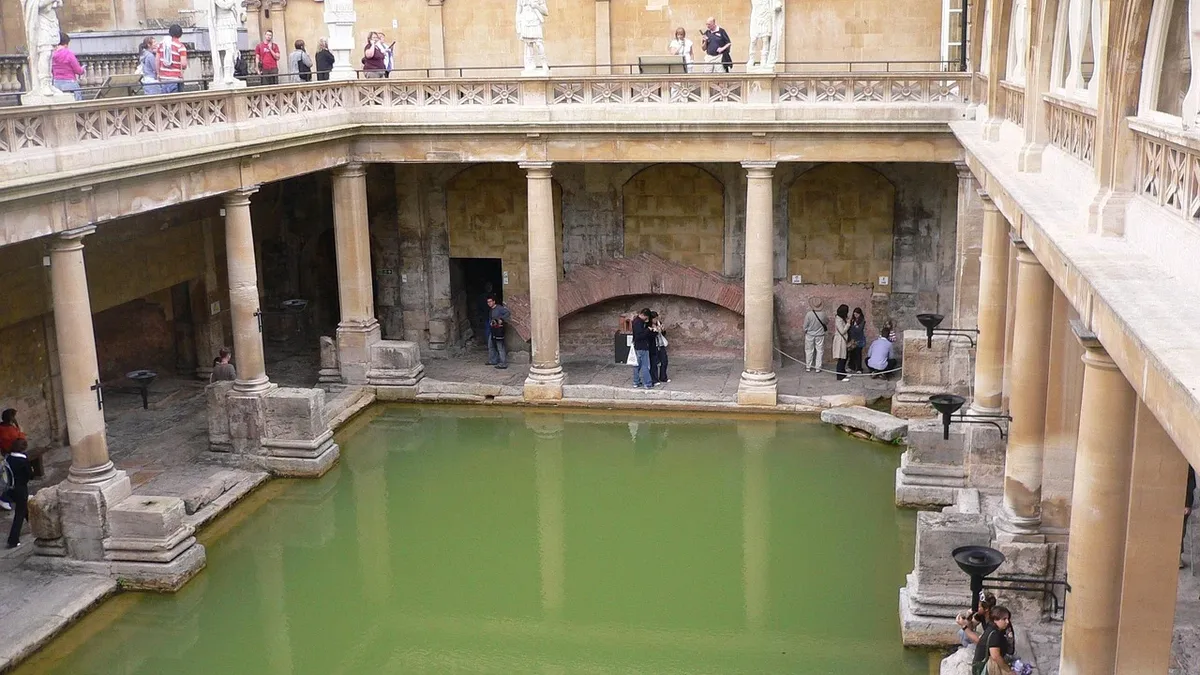
ACHP Rule Changes Threaten U.S. Cultural Heritage Protections
The Advisory Council on Historic Preservation voted in July to advance new regulations that would weaken Section 106 of the National Historic...