American Museum Of Natural History
| Site | American Museum of Natural History |
|---|---|
| First opened | 1869 |
| Location | New York City, New York, United States |
| Collection size | Over 34 million specimens and artifacts |
| Original use | Scientific research, education, and public exhibition |
| Primary building material | Granite and brick |
| Architectural style | Romanesque Revival and others |
| Notable permanent hall | Fossil Halls |
Origin and history
The American Museum of Natural History is a scientific and educational institution founded in the United States in the late nineteenth century. Its establishment was formally proposed in 1869, with significant early patronage from figures like philanthropist Theodore Roosevelt Sr., father of the future president. The museum's first building in Manhattan's Upper West Side was opened to the public in the 1870s, beginning its life as a collection housed within the Arsenal building in Central Park. Its growth was propelled by the era's spirit of scientific discovery and the desire to collect and catalog the natural world. The museum's iconic complex facing Central Park West was constructed over subsequent decades, with its distinctive Romanesque Revival buildings designed by architects like Calvert Vaux and J. W. Mould. The institution's history is deeply intertwined with the history of American scientific exploration, including numerous landmark expeditions for paleontology, anthropology, and zoology throughout the twentieth century.
What it is for
The American Museum of Natural History is a repository for over 34 million specimens and cultural artifacts, serving the core functions of scientific research, collection preservation, and public education. Its primary purpose is to create and disseminate scientific knowledge across disciplines including paleontology, anthropology, astrophysics, and biodiversity conservation. The museum's extensive collections provide the essential empirical data for researchers worldwide to study evolutionary biology, planetary science, and human cultures. A major function is the public presentation of this science through permanent exhibition halls, which range from dinosaur fossil reconstructions to cultural displays and a planetarium. It actively conducts field research across the globe, with scientists embarking on digs and expeditions that continually add to the collections and the understanding of natural history. The institution also develops extensive educational programming for students and teachers, aiming to foster scientific literacy and an evidence-based understanding of the natural world.
Pros and cons
A common con is the sheer size and layout of the complex, which can be overwhelming and logistically challenging for visitors to navigate efficiently in a single day, often leading to fatigue and missed highlights. Some cultural anthropology displays, particularly older ones, have been criticized for historical presentation styles that may reflect outdated perspectives, though the museum actively engages in reevaluating and updating these narratives. The popularity of the museum, especially during weekends and holidays, frequently results in crowded galleries and long lines, which can detract from the contemplative experience of the exhibits. Visitors who come expecting a highly interactive, theme-park-like environment may regret their choice, as the educational model is primarily one of observation and reading, with fewer hands-on activities than some science centers.
Who it suits
It is ideal for visitors with a genuine curiosity about the natural world who are prepared to engage with detailed explanatory text and are comfortable with a self-paced, exploratory visit. The museum is a strong match for paleontology enthusiasts due to its world-renowned fossil halls, as well as for those interested in astronomy, given the Rose Center for Earth and Space and its planetarium shows. It appeals to tourists interested in a major cultural institution that represents a significant chapter in the history of American science and exploration. The scale and content make it less suitable for very young children without careful planning, or for visitors seeking primarily light entertainment or short, high-stimulation attractions. It is a valuable resource for educators and professionals in related scientific fields who utilize its collections and publications for academic and instructional purposes.
Latest American Museum Of Natural History news
Latest reporting
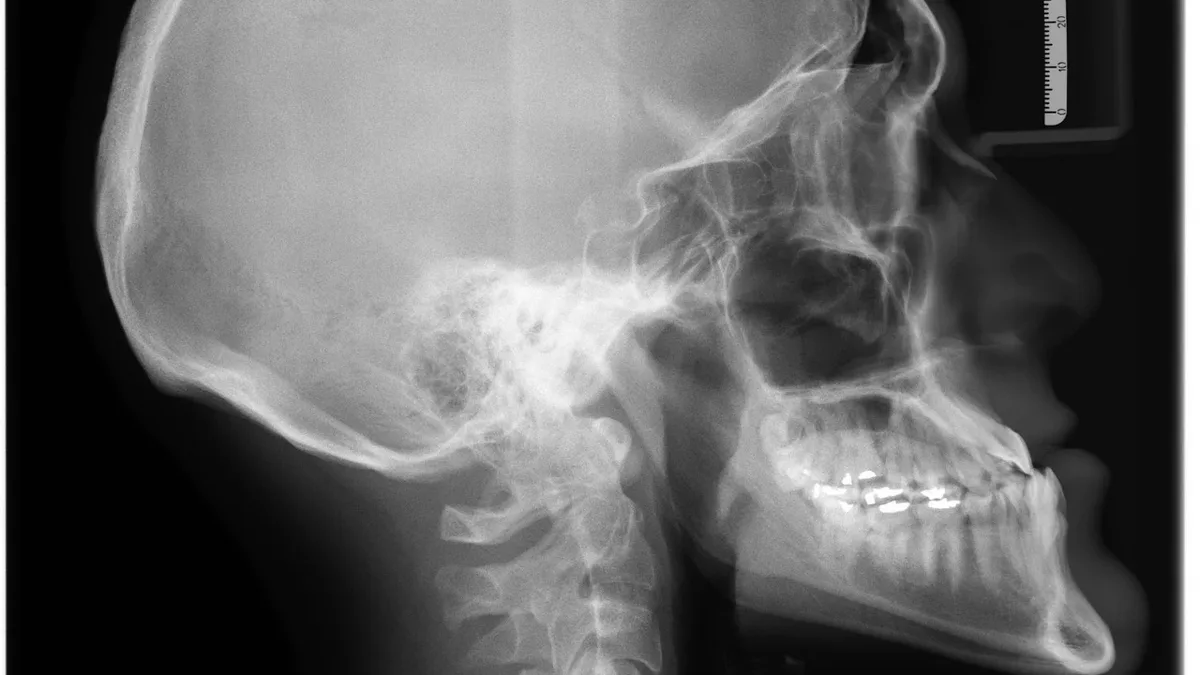
Punín-2 Facial Reconstruction Reveals 3,000-Year-Old Andean Man
A digital facial reconstruction of the Punín-2 skull, from Ecuador's Andes, depicts an Indigenous American man who lived roughly 3,000 years ago.
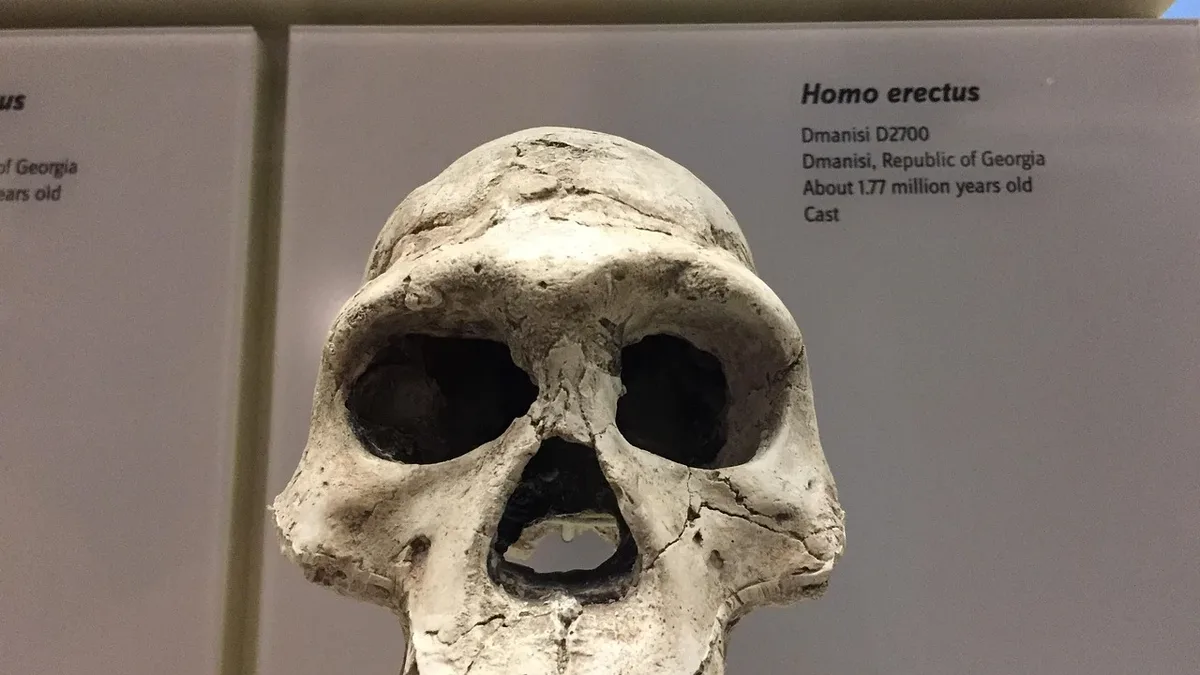
Punin-2 Facial Reconstruction Reveals Indigenous American Features
A forensic facial reconstruction of the 3,000-year-old Punin-2 skull from Ecuador, created with local community input, shows clear Indigenous...
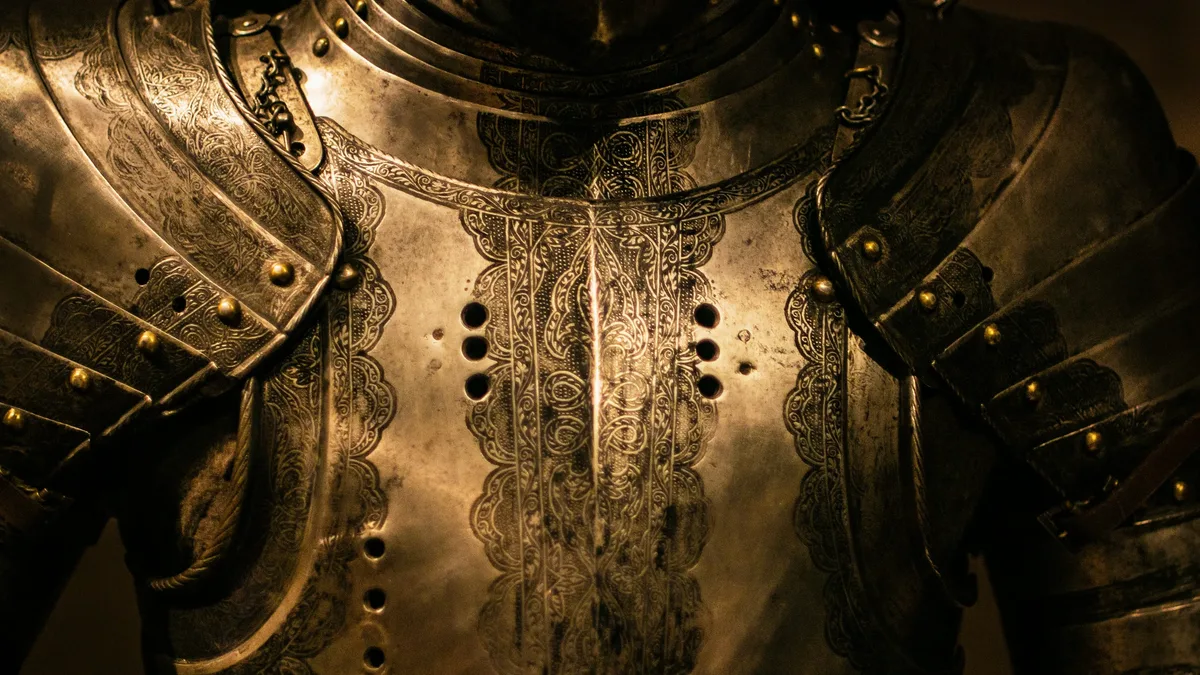
Battersea Shield's ritual use revealed by British Museum
Recent analysis of the 2,000-year-old Battersea Shield suggests it was a ritual offering, not a battle shield.
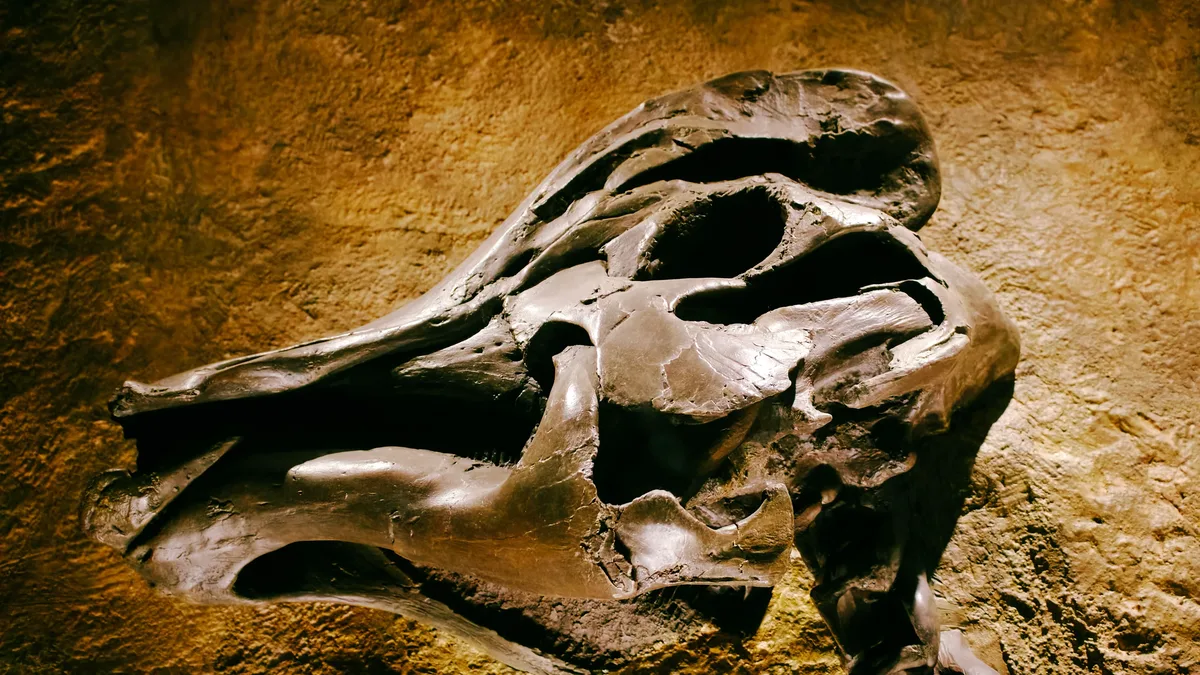
Dinodontosaurus isiyavamanda fossil links African and South American rocks
A 240-million-year-old dicynodont fossil from Tanzania, stored in London for over 60 years, is a new species that links African and South American...
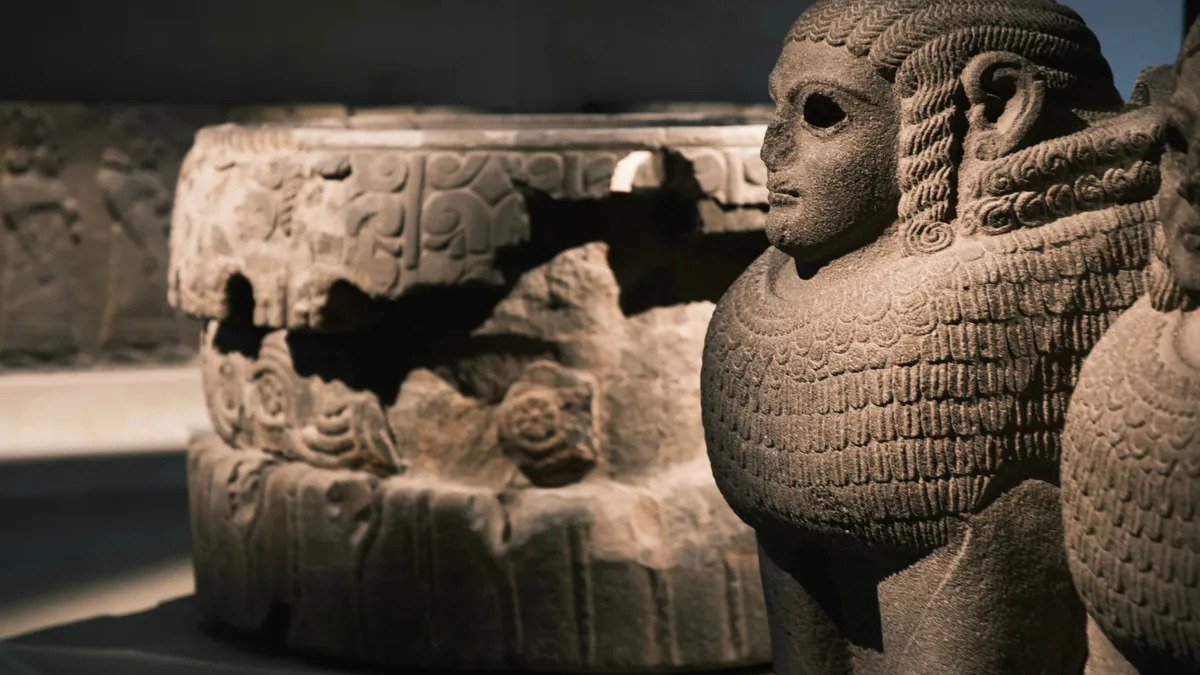
Cleveland Museum holds 500-year-old looted Benin brass head
A 16th-century brass commemorative head of a Benin king, looted by the British in 1897, is held by the Cleveland Museum of Art.
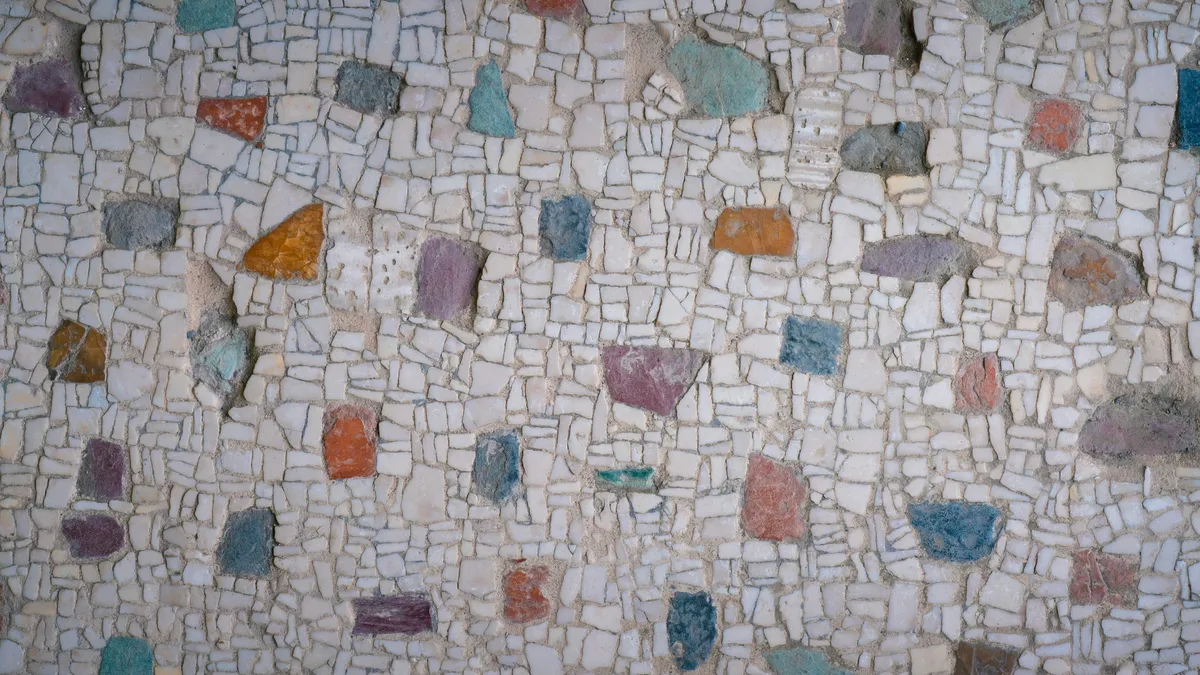
Rome's Largest Roman Wall Mosaic Opens to Public
A 160-square-meter wall mosaic, the largest known from the Roman world, is now on public view at the new Museum of the Baths of Trajan.