Chemical proof of dinosaur blood molecules preserved for 115 million years
Scientists have chemically confirmed heme B molecules, a component of hemoglobin, inside 115-million-year-old fossilized dinosaur red blood cells, a landmark discovery that challenges assumptions about molecular preservation.
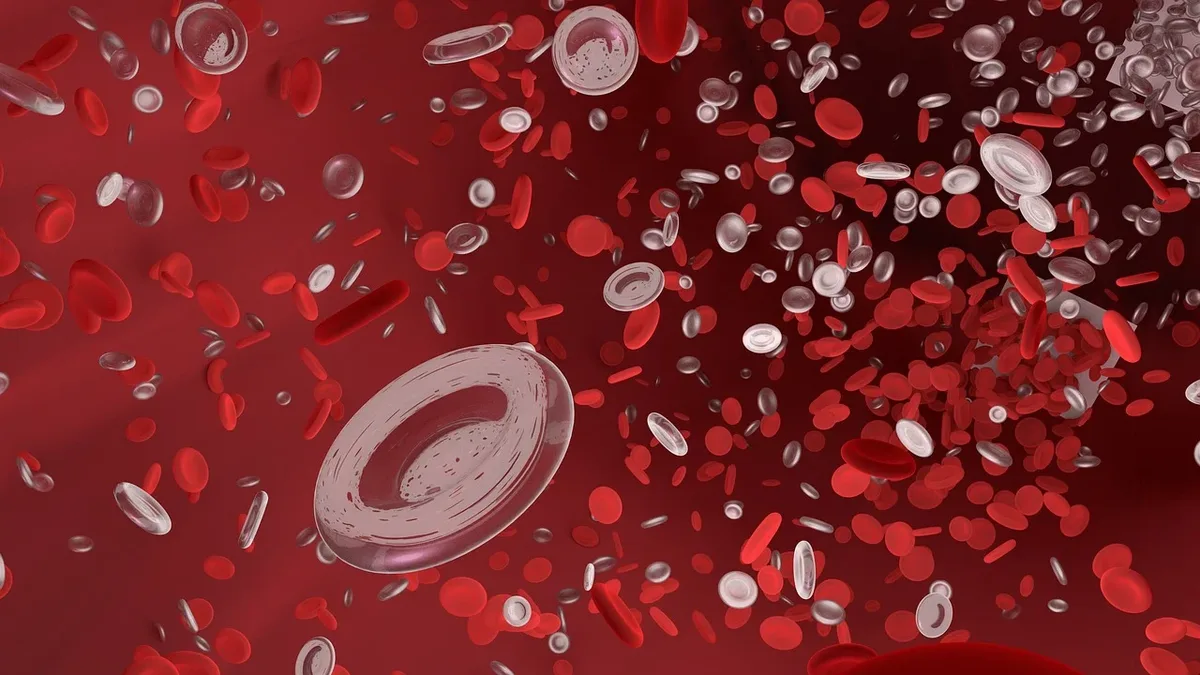
Scientists have discovered chemically confirmed traces of ancient blood inside 115-million-year-old dinosaur bones. This provides the first definitive chemical evidence of heme B molecules, a blood cell component, preserved in fossilized red blood cells. The study, titled 'Heme signatures in mineralized red blood cells within vascular canals of a 115-million-year-old dinosaur bone,' was published in the Proceedings of the National Academy of Sciences.
Chemical analysis confirmed the presence of heme B, a blood cell compound, distinct from surrounding rock signatures. This detection provides stronger evidence for original blood cell preservation than morphology alone. It is the first study to chemically prove the presence of haemoglobin-derived molecules in dinosaur fossils. Earlier research had identified structures resembling blood cells, but scientists had not conclusively demonstrated these particular molecular remains.
Discovery in Aratasaurus museonacionali fossil
Chemically confirmed traces of ancient blood were found in the fossilized remains of Aratasaurus museonacionali. This meat-eating theropod dinosaur was discovered in northeastern Brazil. The fossil, from the dinosaur's right leg, was found in 2008. Researchers identified numerous mineralized red blood cells inside vascular canals of the limb bones. Microscopic examination revealed cell-like ellipsoidal microstructures within those canals.
Elemental mapping showed iron, carbon, and nitrogen correlated with the cell-like structures, suggesting heme composition. The surrounding bone contained phosphorus, calcium, fluorine, and carbon. High-performance liquid chromatography-mass spectrometry was used for the analysis. Heme B is a ring-shaped, iron-containing molecule and the most common of four major heme groups within haemoglobin.
Preservation conditions and mineral stabilization
Exceptional preservation resulted from rapid burial in low-oxygen, microbially rich environments. The dinosaur was likely quickly covered by sediment in an environment with little oxygen and abundant microbial activity. The fossil was preserved in a microbial mat in shallow, oxygen-starved waters. Manganese mineralization likely contributed to stabilizing the delicate structures during fossilization.
The mineral hausmannite helped stabilize the fossilized blood cells. It also preserved their molecular components, including amino acids of collagen. Chlorophyll and bacteriochlorophyll were detected in the surrounding rock.
Scientific significance and replication need
This landmark discovery challenges assumptions about how long biological molecules can survive. The fossil represents the oldest known possible dinosaur blood cells, surpassing previous finds dated to 80 million years at most. Dinosaurs faced extinction 66 million years ago. Professor Kliti Grice of Curtin University, the lead author, said: "To detect intact heme-derived molecules in 115-million-year-old red blood cells is astonishing: this really is a landmark discovery."
The team emphasized the need for replication and analysis of additional fossils and geological settings. Multiple prior claims of dinosaur protein and cell detections exist but were difficult to replicate. Professor Martin Van Kranendonk noted the collaborative effort, stating: "This study exemplifies how coordinated efforts across institutions, continents and scientific disciplines can unlock extraordinary insights into ancient life." The need for replication and analysis of additional fossils and geological settings remains a key next step.