Advisory Council On Historic Preservation
| Founded | 1966 |
|---|---|
| Headquarters | United States federal agency |
| Governing body | National Historic Preservation Act of 1966 |
| Mission | Promote the preservation of the nation's diverse historic resources |
| Key responsibility | Oversee the Section 106 review process |
| Members | 24 statutorily designated members |
| Chairman | Nominated by the President and confirmed by the Senate |
Overview
The Advisory Council on Historic Preservation (ACHP) is an independent federal agency of the United States government. It was created by the National Historic Preservation Act of 1966, which defines its core duties and authorities. The agency's primary statutory role is to administer the Section 106 review process, which requires federal agencies to consider the effects of their undertakings on historic properties. The ACHP provides a formal platform for consultation among federal agencies, State Historic Preservation Officers, Tribal Historic Preservation Officers, and other interested parties. Its mission is to promote the preservation, enhancement, and sustainable use of the nation's diverse historic resources. The council also advises the President and Congress on national historic preservation policy and broader issues affecting historic properties.
History
The Advisory Council on Historic Preservation was established by the United States Congress with the passage of the National Historic Preservation Act in 1966. This legislation marked a significant shift in federal policy, moving the government toward a role of stewardship over historic resources. The council's structure and responsibilities have been refined through subsequent amendments to the act and other related laws. Its early work focused on implementing the newly created Section 106 review process and establishing its regulatory framework. Over the decades, the ACHP's role has expanded to address the concerns of Native American tribes and Native Hawaiian organizations within the review process. The position of chairman became a presidentially appointed, Senate-confirmed role in the late 2010s, reflecting the increasing significance of the agency.
How it works today
The ACHP operates today through a council of 24 statutorily designated members, including federal agency heads, state and local officials, preservation experts, and members of the public. The council meets several times a year to address policy issues and direct program initiatives. Day-to-day operations are carried out by professional staff organized into several key offices. The Office of Federal Agency Programs manages the core Section 106 review process, providing guidance and technical assistance to federal agencies and other stakeholders. The Office of Native American Affairs offers specific expertise and outreach for government-to-government consultation with tribes. The Office of Preservation Initiatives handles policy analysis, special studies, and programs linking preservation to community and economic benefits. The agency promulgates and oversees compliance with the regulations found at 36 CFR Part 800, which govern the Section 106 process.
Why it matters
The ACHP matters because it provides the principal procedural safeguard for historic properties affected by federal actions, from highway construction to permitting for energy projects. Its Section 106 process ensures that preservation values are formally considered in federal planning and decision-making, preventing needless loss. The council's unique structure creates a mandatory forum for dialogue between project proponents, preservation officials, tribal nations, and the public, often leading to negotiated solutions. By advising the President and Congress, the ACHP helps shape national preservation policy beyond individual projects, influencing legislation and executive orders. Its work supports the economic and social vitality of communities by recognizing the value of historic places as assets. The agency's role in facilitating tribal consultation is a critical component of the federal government's trust responsibility and respect for indigenous heritage.
Common misconceptions
A common misconception is that the ACHP has the power to unilaterally stop or veto federal projects; in reality, its role is advisory, focusing on the process of consideration and consultation. Another misunderstanding is that the Section 106 process applies only to buildings listed on the National Register of Historic Places, when it actually applies to all properties that meet the Register's criteria for eligibility, regardless of formal listing. Some believe the process is solely about archaeological sites, but it encompasses the full range of historic resources, including structures, landscapes, and traditional cultural properties. It is also incorrect to assume the process always causes significant project delays; when integrated early into project planning, it can streamline approvals and identify solutions. The agency is sometimes mistakenly thought to be part of the Department of the Interior, but it is an independent federal agency. Finally, the ACHP does not directly manage or own historic properties; its function is regulatory and advisory in nature.
Latest Advisory Council On Historic Preservation news
Latest reporting
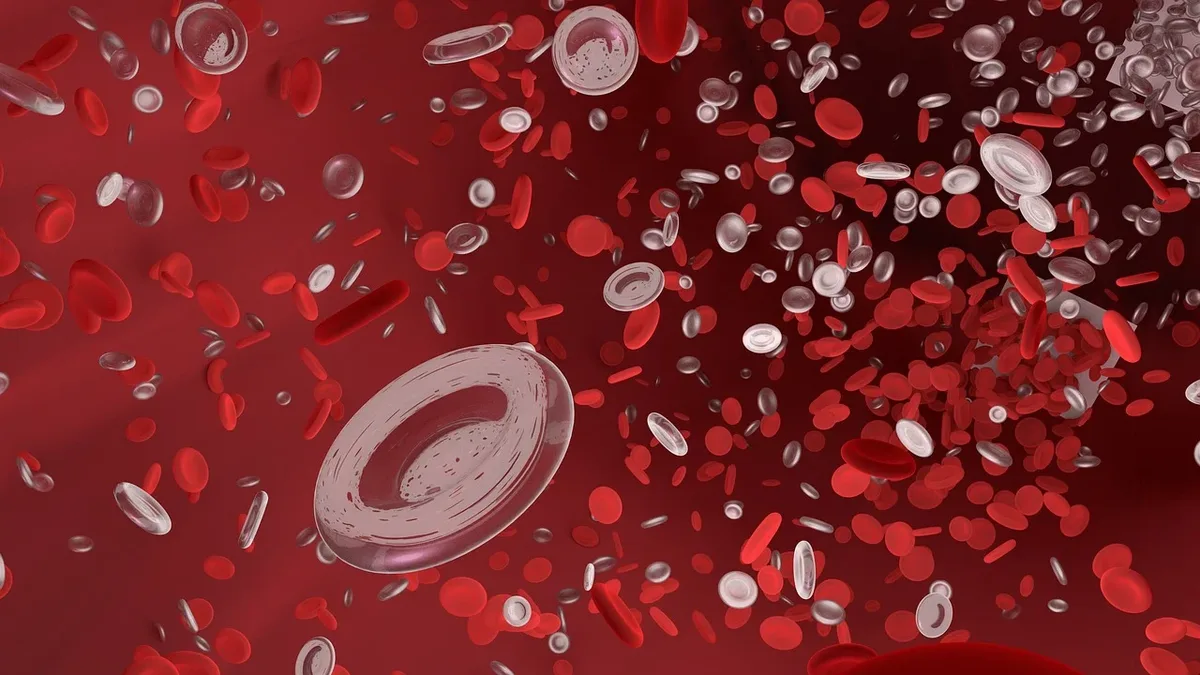
Chemical proof of dinosaur blood molecules preserved for 115 million years
Scientists have chemically confirmed heme B molecules, a component of hemoglobin, inside 115-million-year-old fossilized dinosaur red blood cells, a...
Ancient DNA from Montreal cemetery reveals limited Indigenous ancestry
A genetic study of 45 skeletons from Montreal's historic Notre-Dame Cemetery found exclusively French European ancestry, challenging narratives of...
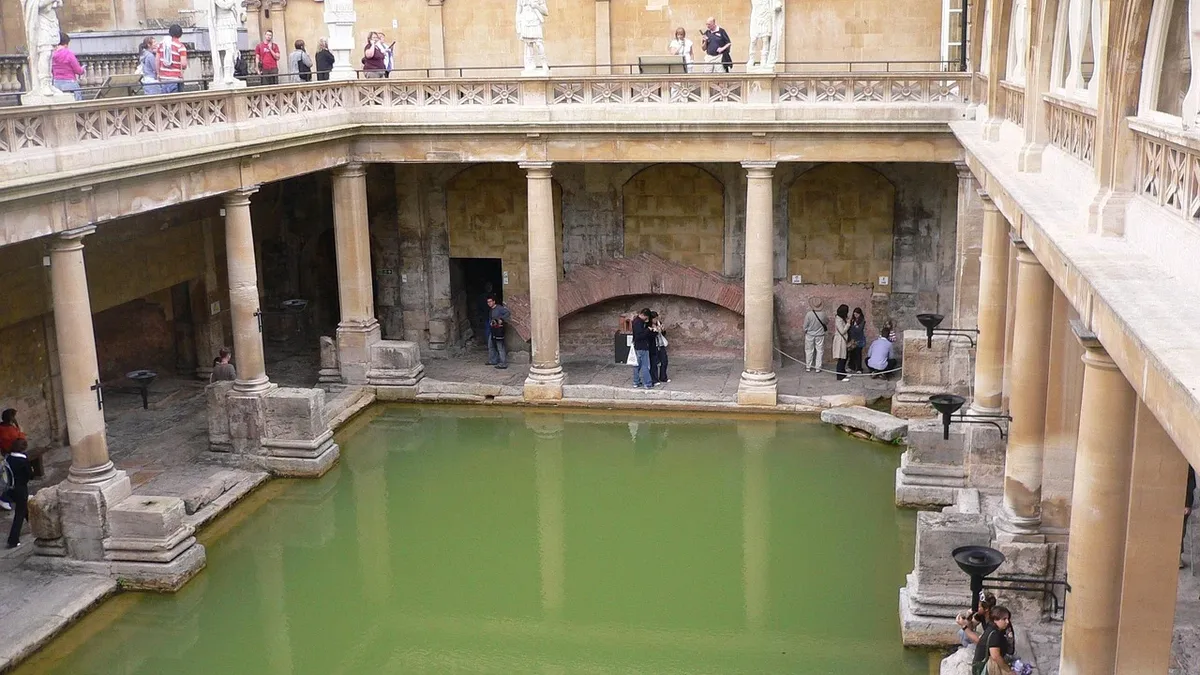
ACHP Rule Changes Threaten U.S. Cultural Heritage Protections
The Advisory Council on Historic Preservation voted in July to advance new regulations that would weaken Section 106 of the National Historic...
1,700-year-old church found under Turkish lake
Archaeologists in Turkey have uncovered a small church beneath a basilica at Lake İznik that may be the site of the 325 AD First Council of Nicaea.
Colonial-Era Hospital and Church Excavated in Lima
Archaeologists have uncovered the remains of a 16th-century hospital and church in Lima's historic district.