Ancient Dna Evidence And Indigenous Consent To Sampling
| Site | Ancient Dna Evidence And Indigenous Consent To Sampling |
|---|---|
| Dig season | Varies by specific project and location |
| Material culture shows | Physical artifacts and ecofacts from a site |
| Primary focus | Ethical frameworks and governance for ancient DNA research |
| Key stakeholders | Indigenous communities, researchers, institutions |
| Research stage | Pre-laboratory, concerning sampling permissions and protocols |
| Governance instrument | Community protocols, Memoranda of Understanding |
Origin and history
The concept of Ancient DNA Evidence and Indigenous Consent to Sampling emerged as a formalized ethical and scientific framework in the late 20th and early 21st centuries, primarily within North America, Europe, and Oceania. Its development is directly tied to the rapid advancement of paleogenomic technologies in the 1990s and 2000s, which allowed for the extraction of DNA from ancient human remains. This scientific capability collided with long-standing ethical concerns held by Indigenous communities regarding the disturbance and analysis of their ancestors' remains. High-profile disputes, such as those surrounding the Kennewick Man/The Ancient One in the United States in the 1990s, catalyzed the formalization of these principles. The framework was further shaped by the implementation of legal instruments like the Native American Graves Protection and Repatriation Act (NAGPRA) in the United States and similar repatriation policies globally. It represents a paradigm shift from a model of scientific entitlement to one of partnership, responding to a history of archaeological practices that often excluded descendant communities.
What it is for
This framework is designed to govern the ethical collection and use of genetic data from ancient human remains, particularly those with living descendant communities. Its primary purpose is to ensure that scientific research does not proceed without the free, prior, and informed consent of Indigenous groups who have a cultural or lineal connection to the remains. It serves to align scientific inquiry with Indigenous rights, values, and sovereignty, recognizing communities as stakeholders rather than merely subjects of study. The protocol establishes a process for consultation and negotiation before any destructive sampling occurs, determining the scope, goals, and potential benefits of the research. It is also for ensuring that research outcomes, including data and interpretations, are communicated back to and managed in partnership with the consenting communities. Ultimately, it functions to prevent harm, build trust, and foster collaborative research partnerships that are mutually beneficial and culturally respectful.
Overview
The framework operates on several interdependent pillars: ethical procurement, community partnership, and contextual interpretation. Ethically, it mandates that the research question itself must be of potential interest or benefit to the descendant community, not solely to the academic field. The process involves extensive, often lengthy, consultations where scientists explain technical methods, potential findings, and risks in accessible terms. A formal agreement, which may include moratoriums on certain types of analysis or stipulations on data management, is typically established before any physical sampling of skeletal or dental material. From a scientific standpoint, this approach enriches the research by incorporating traditional knowledge and oral histories that can provide crucial context for genetic data. The material culture and archaeological context of the remains are integral to this process, as they provide the cultural narrative that genetics alone cannot. This model is increasingly becoming a standard prerequisite for publication in major scientific journals and for obtaining research grants.
What to know
A key point is that consent is not a one-time signature but an ongoing, dynamic process that can be withdrawn by the community at any stage. Researchers must understand that Indigenous consent is often granted by collective governance bodies, such as tribal councils or heritage committees, not by individuals. The concept of "benefit" is broadly defined and can include capacity building, co-authorship on papers, control over future data use, and the answering of community-driven questions about history. It is critical to know that many Indigenous communities make a distinction between ancient remains that are truly "archaeological" and those that are recently buried ancestors, with the latter often being completely off-limits for any destructive analysis. The legal landscape varies significantly by country, with some nations having strong repatriation laws and others having minimal oversight, but the ethical framework often exceeds legal minimums. Furthermore, the long-term curation and potential future uses of genetic data sequences are a major component of modern consent agreements, addressing concerns about biopiracy and unauthorized secondary research.
Common questions
A common question is whether this framework hinders scientific progress by creating barriers to sampling important specimens. Proponents argue it ensures more sustainable, accurate, and socially relevant science by preventing community backlash and incorporating vital contextual knowledge. People often ask who has the authority to provide consent for remains that are thousands of years old, which leads to discussions about cultural affiliation, oral tradition, and geographical connection as recognized by communities themselves. Researchers frequently inquire about how to initiate contact, which requires identifying the correct governing bodies and approaching them respectfully, often through existing cultural heritage officers or networks. Communities commonly question what happens to the physical extracts and digital sequence data after the study concludes, necessitating clear plans for return, destruction, or restricted archiving. Another frequent question is how to handle disagreements within an Indigenous community about participation, which underscores the need for patience and for scientists to respect internal community decision-making processes without interference.
Pros and cons
A significant pro is that this framework leads to more robust and nuanced scientific interpretations, as genetic data is integrated with oral history and archaeological context provided by communities, reducing speculative narratives. It actively repairs historical mistrust between scientific institutions and Indigenous peoples, paving the way for long-term collaborative research partnerships. The cons include a substantially increased timeline and resource cost for research projects, requiring funding for community meetings, travel, and sometimes salaries for community-based co-researchers, which not all grants support. A genuine drawback is the potential for scientific regret when a community decides not to consent, leaving important research questions unanswered, though this is framed by the framework as a rightful exercise of sovereignty. A common mistake is for researchers to view consent as a bureaucratic hurdle to overcome rather than the foundation of the relationship, leading to superficial engagement and eventual partnership breakdown. Projects can also falter if the scientific team lacks continuity, damaging hard-earned trust when key personnel leave and relationships must be rebuilt from scratch.
Who it suits
This framework ideally suits research teams that are prepared for interdisciplinary work, combining genetics with anthropology, ethics, and community-based participatory research methods. It is essential for scientists who are flexible, patient, and willing to share authority over the research process, including potentially revising their core questions. It suits Indigenous communities and governing bodies who are seeking to explore their own histories through scientific tools while maintaining control over their ancestral heritage and biological data. The approach is well-suited for research on human remains from colonial or recent historical periods where descendant communities are clearly identifiable and where the potential for causing trauma is high. It is less suited, and often ethically inappropriate, for researchers who prioritize rapid publication and data generation above all else or who are unwilling to cede any aspect of project control. Ultimately, it is a necessary model for any contemporary paleogenomic study that aims to be scientifically rigorous, ethically sound, and socially responsible.
Latest Ancient Dna Evidence And Indigenous Consent To Sampling news
Latest reporting
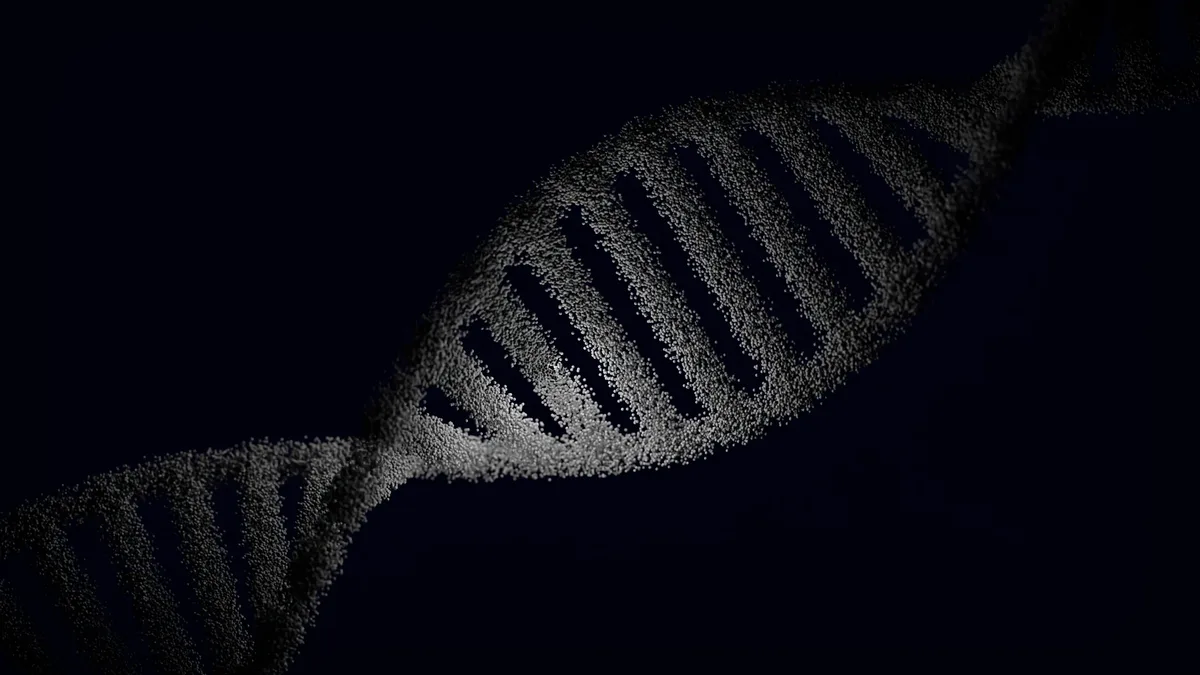
Ancient DNA from Montreal cemetery reveals limited Indigenous ancestry
A genetic study of 45 skeletons from Montreal's historic Notre-Dame Cemetery found exclusively French European ancestry, challenging narratives of...

Rare Saint Olaf Penny Found in Norway's Largest Viking Hoard
A unique silver penny issued by King Olaf Haraldsson has been identified within Norway's vast Mørstad Hoard, offering new evidence of how Viking...
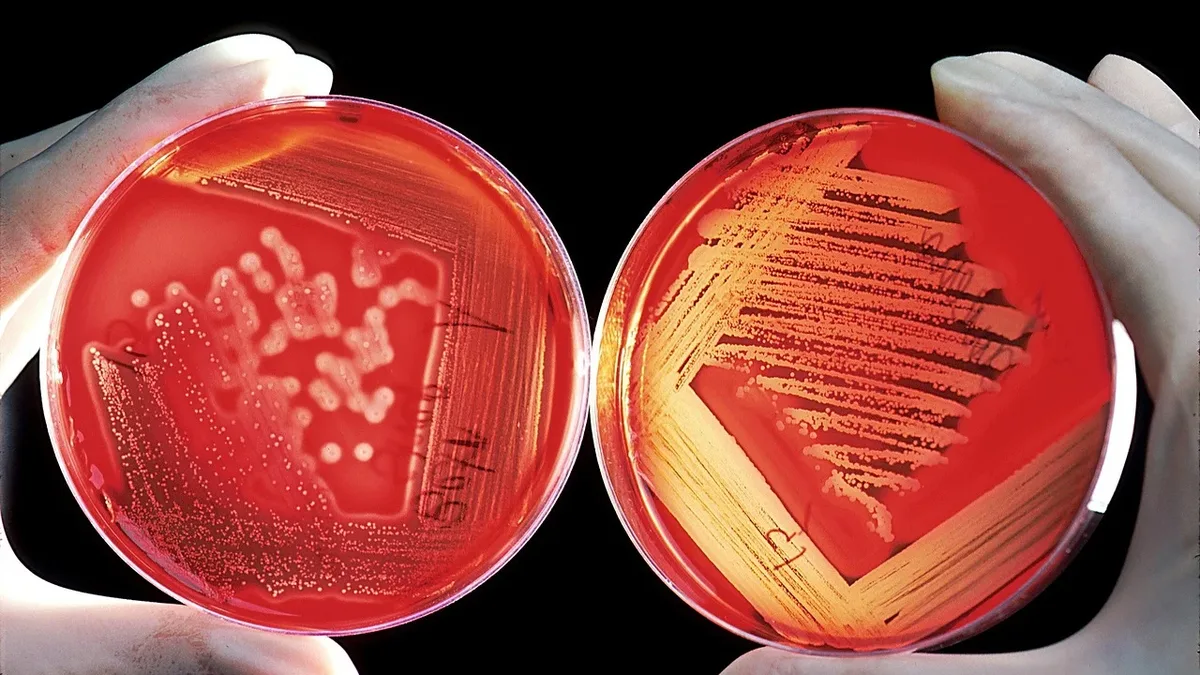
Hadza and Tsimané Share Ancient Gut Microbiome Heritage
A deep genetic study reveals the hunter-gatherer Hadza and forager-farmer Tsimané share over 1,200 gut bacterial species, a core microbial heritage...

Astronaut Photo Mosaic Captures Lake Powell Sunglint
A 2016 astronaut photo mosaic reveals a rare sunglint effect across Lake Powell's entire length, as drought-driven water level declines expose...
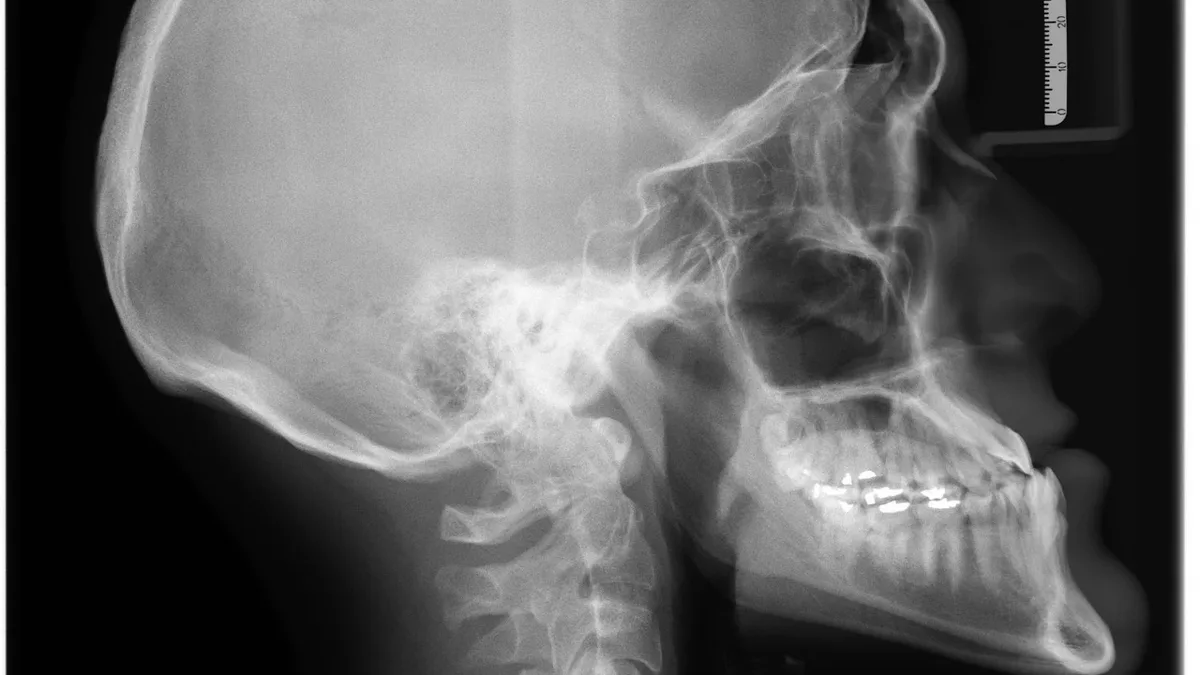
Punín-2 Facial Reconstruction Reveals 3,000-Year-Old Andean Man
A digital facial reconstruction of the Punín-2 skull, from Ecuador's Andes, depicts an Indigenous American man who lived roughly 3,000 years ago.
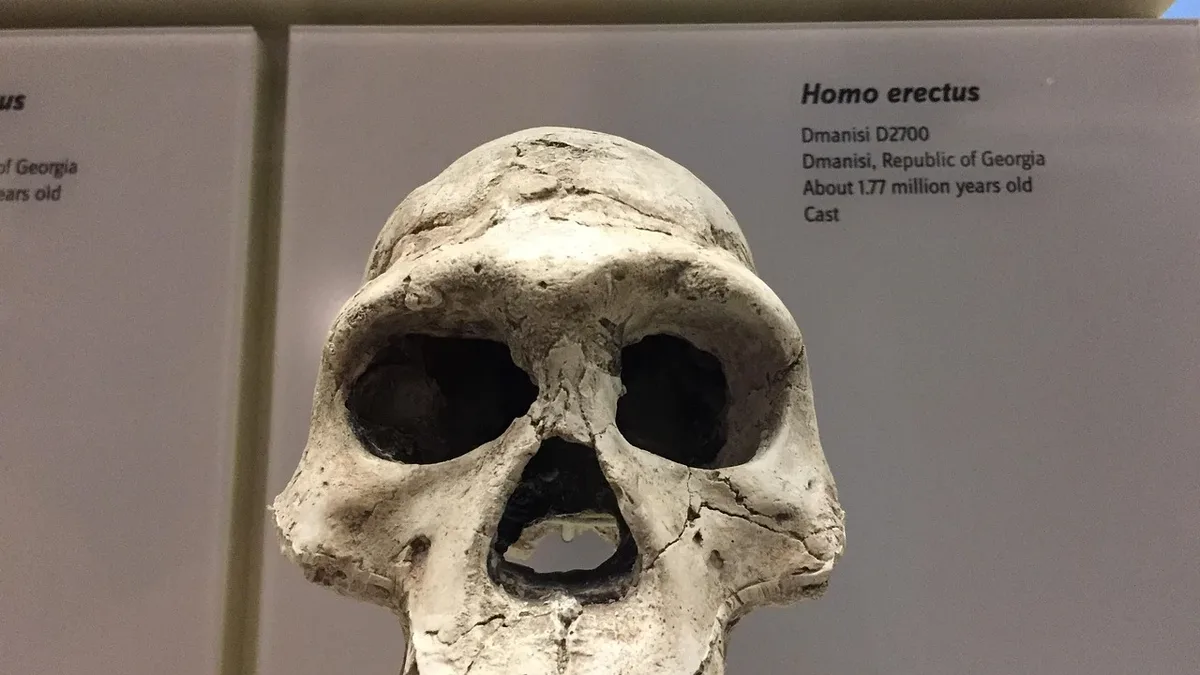
Punin-2 Facial Reconstruction Reveals Indigenous American Features
A forensic facial reconstruction of the 3,000-year-old Punin-2 skull from Ecuador, created with local community input, shows clear Indigenous...