St. Victor Petroglyph Site Dates 2,100 Years
Radiocarbon dating of bone samples from pits beneath the St. Victor petroglyph cliff in Saskatchewan yields dates of A.D. 900 and 120 B.C., indicating site use as far back as 2,100 years ago.
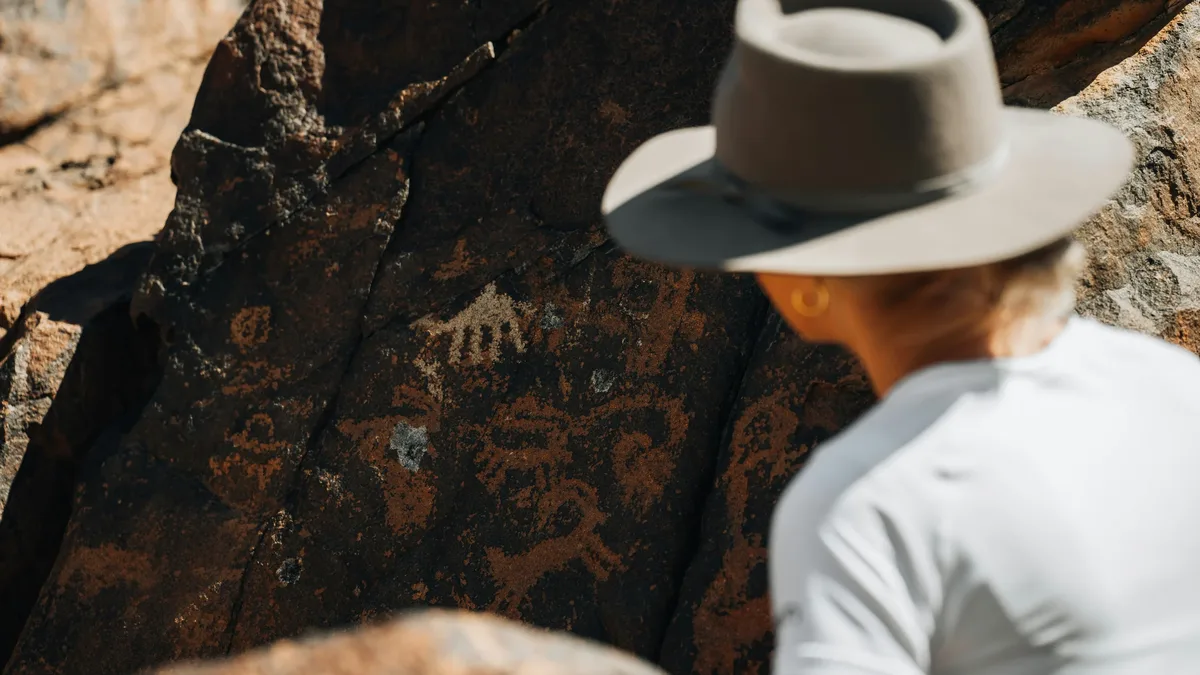
Researchers from the Saskatchewan Archaeological Society dated bone samples from pits beneath the St. Victor petroglyph cliff in Saskatchewan, producing dates of A.D. 900 and 120 B.C., suggesting use of the site 2,100 years ago.
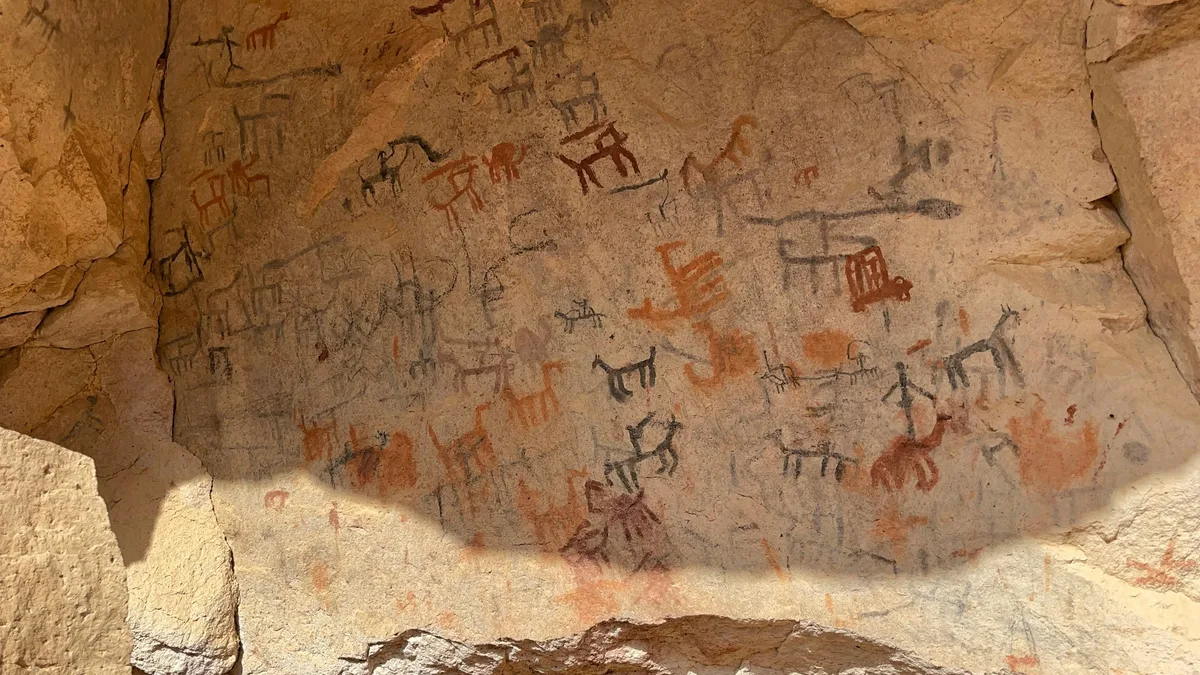
The samples were recovered from separate pits under a sandstone cliff that bears more than 360 petroglyph carvings in southern Saskatchewan.
Site Context
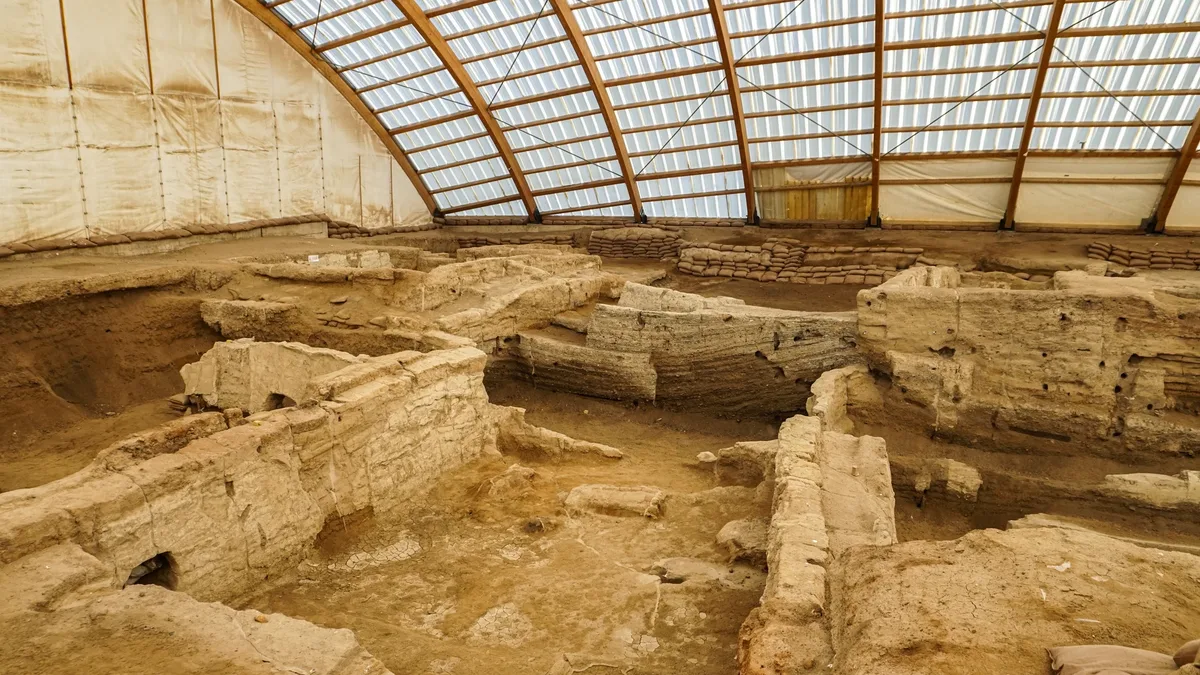
The St. Victor site is located in southern Saskatchewan, where a sandstone cliff has been carved with a dense array of petroglyphs. The cliff sits above two pits that were excavated during the current dig season. Each pit contained bone fragments that were carefully extracted for analysis.
Radiocarbon Results
| Sample | Date |
|---|---|
| First bone | A.D. 900 |
| Second bone | 120 B.C. |
CBC News reports that the radiocarbon dating was performed on the two bone samples. The first sample yielded a date of A.D. 900, while the second returned 120 B.C. These dates do not directly date the carvings themselves, but they provide a strong temporal context for the site's use.
Implications for Site Use
“It doesn’t date the carvings directly, but it’s very suggestive that people were using this particular site, maybe making carvings, as far back as 2,100 years ago,” said archaeologist Tim Jones, who led the excavation. Jones added that the sheer number of carvings-over 360-makes the site a key heritage location for Saskatchewan.
The findings support the hypothesis that First Nations people who traveled through the area seasonally were responsible for the petroglyphs. The presence of bone material in the pits indicates that the site was used for activities beyond mere carving, possibly including habitation or ceremonial practices.
Future Work
Researchers plan to date another bone recovered from a deeper layer of the pit. “It comes down to understanding that Saskatchewan has been occupied since time immemorial,” commented Karin Steuber of the Saskatchewan Archaeological Society. The additional dating effort could refine the chronology of site use.
The site, with its extensive petroglyph collection, is now part of the province’s fixtures. The new dates also contribute to the broader stats of Indigenous heritage sites across Canada.
The dig continues to uncover material that will help scholars piece together the patterns of seasonal travel and cultural expression in the region. The next phase of analysis will focus on the deeper pit layer, which may hold further evidence of long-term occupation.