Po wreck hosts invasive fish and rare seals
A sunken WWII hospital ship off Albania acts as an artificial reef, attracting invasive devil firefish and providing shelter for endangered Mediterranean monk seals.
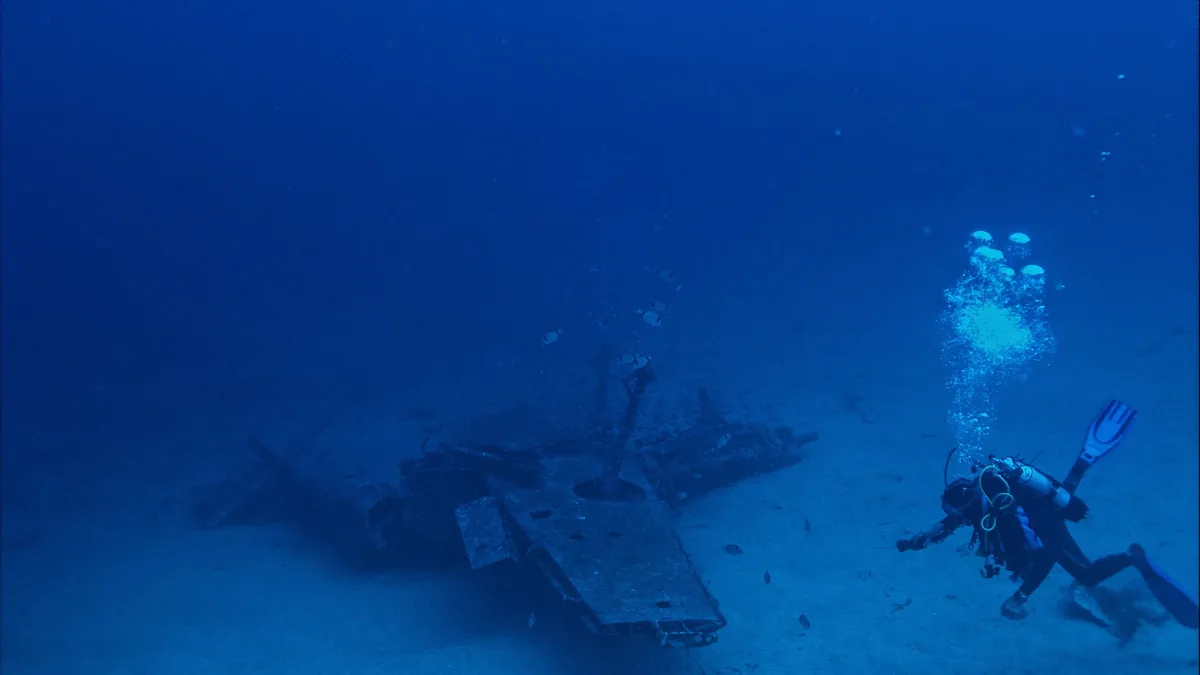
A World War II hospital ship wreck off Albania is now an artificial reef teeming with marine life, hosting both invasive devil firefish and endangered Mediterranean monk seals. Researchers reported these findings in the journal Frontiers in Ocean Sustainability after studying the site.
The ship, named the Po, sank in Vlora Bay in 1941 after being torpedoed. Over 80% of its surface is now covered by marine organisms, creating what scientists call an artificial reef effect. The solid structure provides shelter in its crevices and food from algae growth.
Invasive Species Colonize the Wreck
The study documented devil firefish (Pterois miles) swimming around the wreck, approximately 800 miles from their native Red Sea and West Indian Ocean habitats. Up to seven individuals were observed at once. Biologist Simone Modugno, a co-author of the study from the University of Ferrara, told Live Science that climate change is driving this incursion.
Modugno noted a steady increase in such invasive species along the Albanian coast, as well as other invasive plant species, mollusks, and shellfish. The study confirms this as one of the northernmost sightings of the firefish in the Adriatic Sea. Modugno expects a serious problem with the species as warming waters allow more Red Sea species to migrate through the Suez Canal.
A Refuge for Endangered Monk Seals
In contrast to the invasive fish, the wreck also provides habitat for threatened native species. Researchers recorded 28 fish species and egg clusters from the Ommastrephidae family of squid around the Po. Most significantly, they captured an image of a Mediterranean monk seal (Monachus monachus) resting within the wreck's cavities.
This was the first confirmed sighting of the species in Vlora Bay since 1996. Monk seals typically breed in sheltered sea caves, but human activity like tourism has fragmented their natural habitat. The study suggests artificial reefs like the Po offer potential resting spots when natural caves are unavailable.
Weighing the Ecological Impact
The research presents a mixed ecological picture. Shipwrecks can benefit local biodiversity by providing structure and shelter. However, they may also act as stepping stones for invasive species expanding their range due to climate change. The study found no prior biological data specifically for the Po wreck, making this new assessment foundational.
Modugno observed constant overgrazing along Albanian coasts similar to Greek and sub-Italian areas, with lionfish populations literally exploding. The wreck of the Po, a relic of conflict, now plays an unintended role in marine ecological shifts, hosting both unwelcome arrivals and a hopeful return.